
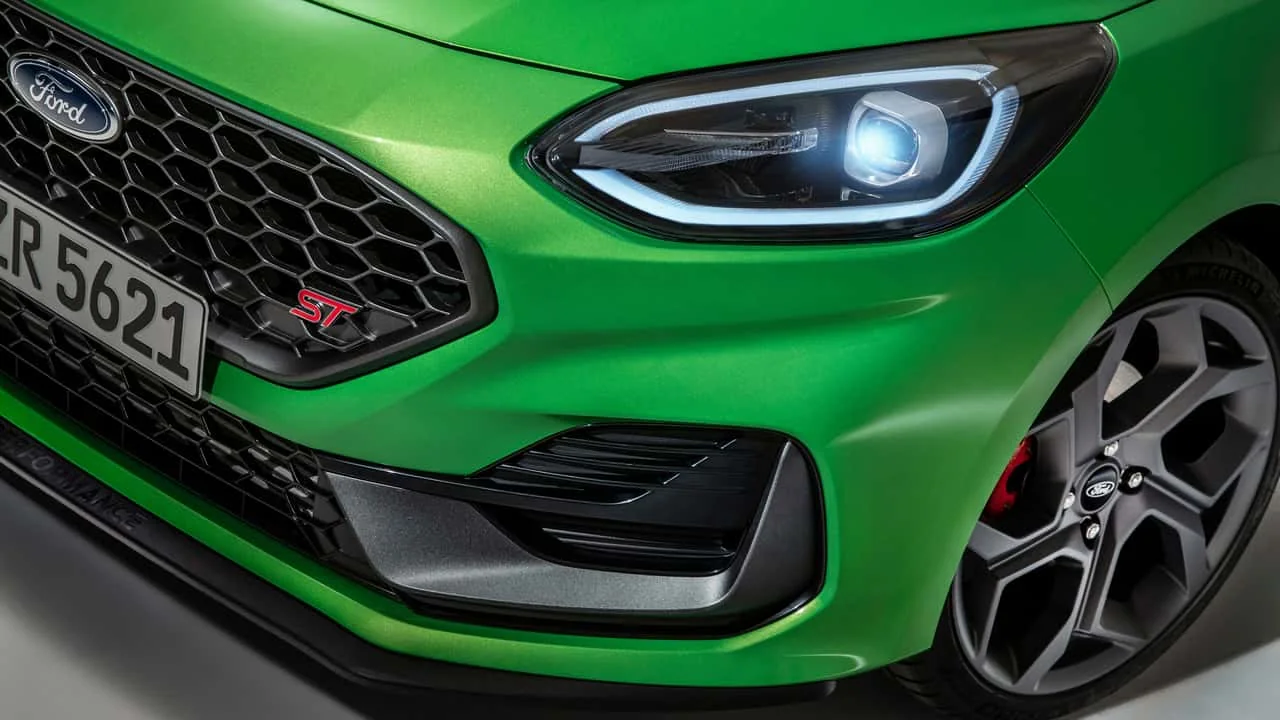
Ford's failure to meet European emissions targets for the fifth consecutive year has been attributed to the sale of over 1.3 million Fiestas in 2019 alone. This significant number highlights the impact that a single model can have on a manufacturer's overall performance. The fact that Ford has failed to meet these targets for five years running suggests a deeper issue with their production and testing processes.
The European Union's emissions regulations are some of the toughest in the world, and manufacturers must comply with these standards in order to sell vehicles in the region. However, meeting these targets is becoming increasingly difficult as technology advances and consumers become more environmentally conscious. As a result, manufacturers such as Ford are being forced to adapt their product lines to meet these changing regulations.
In an effort to address this issue, Ford will be focusing on electric and hybrid models in the future. This shift towards more sustainable vehicles is seen as a key strategy for the company's success in the coming years. However, it also means that models like the Fiesta, which are no longer compliant with European emissions regulations, must be phased out.
The impact of this decision will be felt across the automotive industry, as manufacturers such as Ford and Volkswagen struggle to meet the increasingly stringent emissions targets. This shift towards electric and hybrid vehicles is likely to drive innovation and investment in these areas, but it also poses significant challenges for companies that have not yet adapted their production lines.
The sale of over 1.3 million Fiestas in 2019 alone highlights the popularity of this model in Europe. However, this success has come at a cost, as Ford has failed to meet emissions targets for five consecutive years. The company's decision to phase out the Fiesta is likely to be seen as a necessary step towards meeting these regulations.
Ford's failure to meet European emissions targets is not an isolated incident. Many manufacturers have struggled with similar challenges in recent years, and the industry as a whole is being forced to adapt to changing regulations. As consumers become more environmentally conscious, manufacturers must prioritize sustainability and reduce their carbon footprint.
The decision to phase out the Fiesta will likely be seen as a strategic move by Ford to ensure long-term success. By focusing on electric and hybrid models, the company can position itself for growth in the coming years. However, this shift also poses significant challenges, particularly for companies that have not yet adapted their production lines.
The impact of this decision will be felt across the automotive industry, as manufacturers struggle to meet increasingly stringent emissions targets. As consumers become more environmentally conscious, manufacturers must prioritize sustainability and reduce their carbon footprint.
In conclusion, Ford's failure to meet European emissions targets is a significant issue that highlights the challenges facing the automotive industry. By focusing on electric and hybrid models, Ford can position itself for growth in the coming years, but this shift also poses significant challenges that must be addressed.
The pressure to meet emissions targets is forcing manufacturers to rethink their product lines.