The humble gas station is often taken for granted, but its history is a fascinating story of innovation and adaptation. Before the advent of modern gas stations, buying gasoline meant going on a quest to bring it from local general stores or horse stables.
In 1905, the Automobile Gasoline Co. made the first documented attempt at a dedicated fueling site in St. Louis, Missouri. This was a gravity-fed tank on a lot, attached to a garden hose, and while crude, it marked an important milestone in the development of modern gas stations.
However, it wasn't until 1907 that we saw the first real gas station with modern amenities. Standard Oil of California opened what is considered by many historians to be the first true service station in Seattle, featuring a dedicated facility designed to fill cars efficiently.
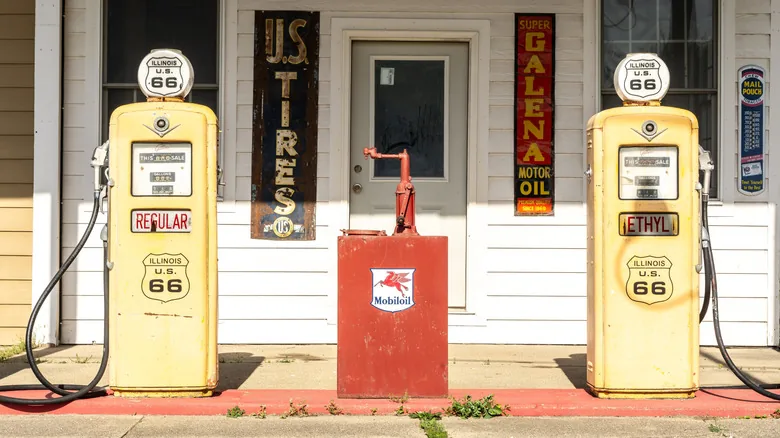
This shift from hardware stores to dedicated gas stations marked a significant change in the way people interacted with their vehicles. Gone were the days of pouring fuel from cans into tanks; instead, drivers could pull up to a pump and have their fuel dispensed quickly and easily.
As the 1920s rolled in, the gas station evolved further, with oil companies competing on not just product quality but also on the professionalism of their attendants. Cottage-style stations became popular, designed to blend into residential neighborhoods.
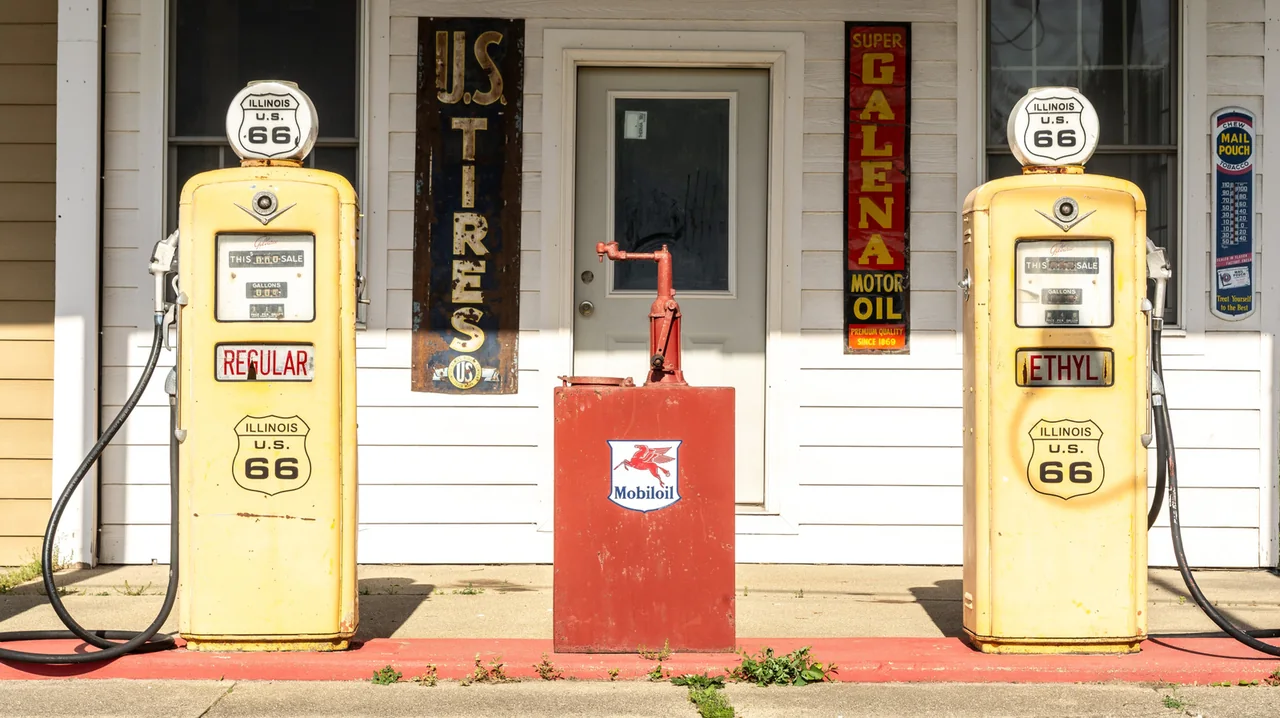
By the 1940s, we saw the peak of classic American service stations. Drivers could pump their own fuel, have their radiators topped up, and tires checked all while sitting back in their car seats. It was a high-service environment that made even the most basic vehicles feel luxurious.
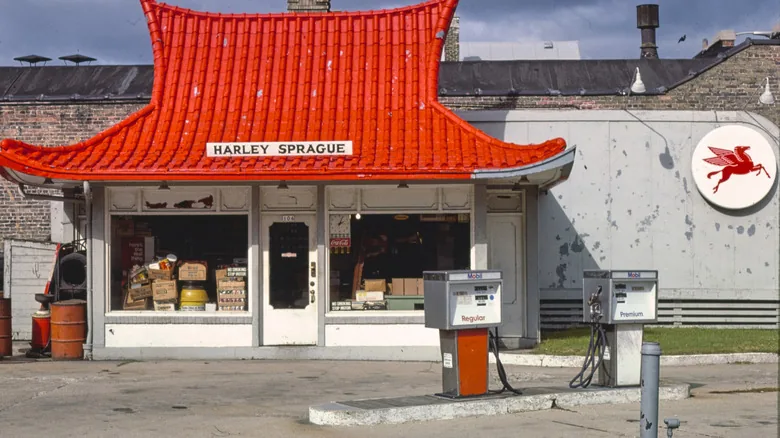
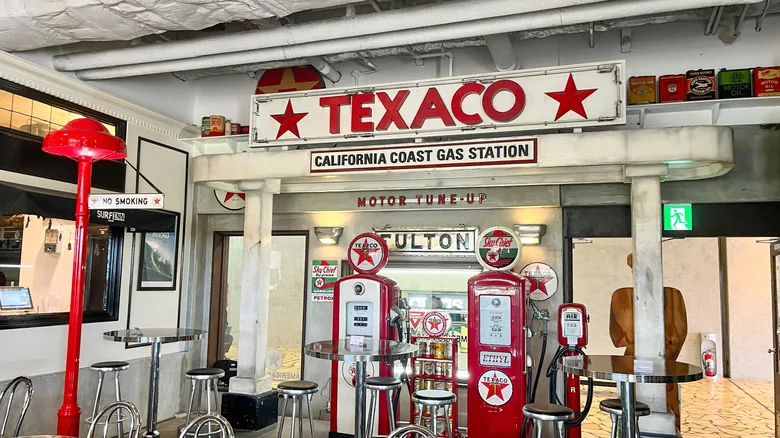
Fuel stations with iconic designs began popping up everywhere, from Art Deco streamlined stations to quirky teapot-shaped buildings. These landmarks became recognizable features of the American landscape.
However, post-World War II saw another significant shift in the fuel station landscape. The introduction of self-service convenience stations revolutionized the industry, with Frank Ulrich's 1947 Los Angeles station being a notable example.
Frank's innovative approach to pricing and customer service cut gas prices by 5 cents a gallon, making it more accessible to the average consumer. While this shift was initially met with resistance from competitors, it paved the way for the modern convenience stores we see today.