Recently, US Secretary of the Interior Doug Burgum testified before the Natural Resources Committee, showcasing his limited understanding of solar systems. During the hearing, he dismissed solar energy as producing 'zero electricity' when the sun goes down. This remark not only belittled the potential of solar energy but also highlighted the administration's lack of awareness about its importance in modern energy systems.
Burgum's comments were met with laughter and ridicule from committee members, particularly Representative Jared Huffman, who submitted a physical battery into the record to illustrate the significance of battery storage. This move emphasized the stark contrast between public perception and the actual practicality of solar energy.
The exchange also underscored the administration's stance on fossil fuels, which prioritizes their dominance in US energy policy. This approach is at odds with the growing need for renewable energy sources to address climate change and ensure energy independence.
Burgum's background as a former North Dakota Governor connected to the oil and gas industry has led to his skepticism towards clean energy. His views align with President Trump's statements dismissing renewables, which have been criticized for their lack of scientific basis.
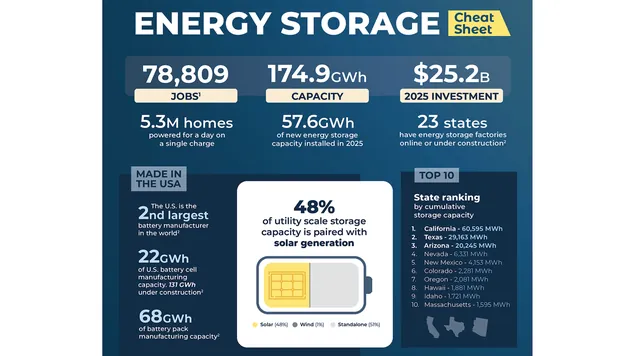
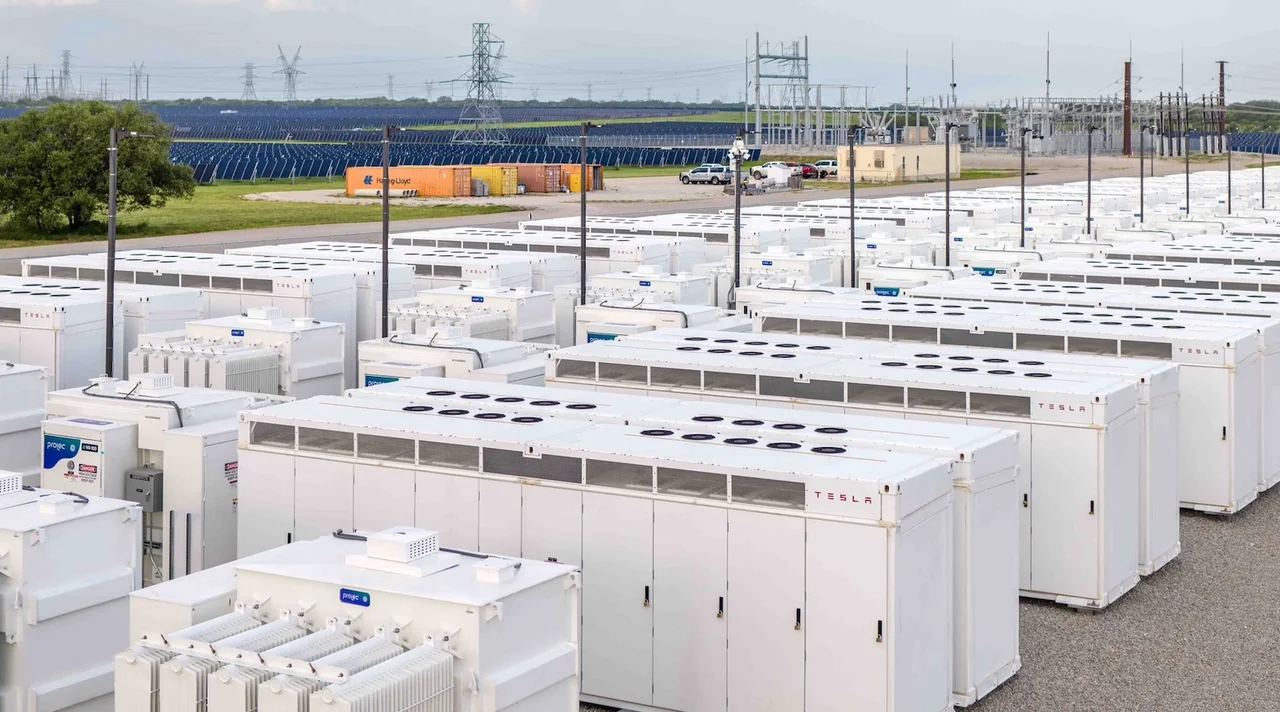
The administration's reluctance to discuss battery storage is particularly concerning given its growing importance in modern grids worldwide. Battery storage technology is not new to the energy scene and is now a core element of contemporary power systems.
Burgum's testimony was intended to steer the inquiry away from solar cost, which has been decreasing annually. By doing so, he aimed to defend the administration's fossil fuel-centric energy policy.
The signing of the One Big Beautiful Bill Act on July 4, 2025, marked a significant shift in US energy policy, effectively resetting the playing field to prioritize fossil fuels. This move is likely to have far-reaching consequences for the environment and the country's energy landscape.
Battery storage is not just a complementary technology but a vital component of modern power systems. Its absence from Burgum's testimony highlights the need for a more comprehensive approach to energy policy, one that acknowledges the importance of both solar and fossil fuels.
The administration's stance on energy policy has significant implications for the country's climate change mitigation efforts and energy independence. As the world transitions towards cleaner energy sources, it is essential to have a nuanced understanding of the role that solar, wind, and other renewable energy sources can play in addressing these challenges.
The administration's reluctance to discuss battery storage highlights the need for a comprehensive approach to energy policy.