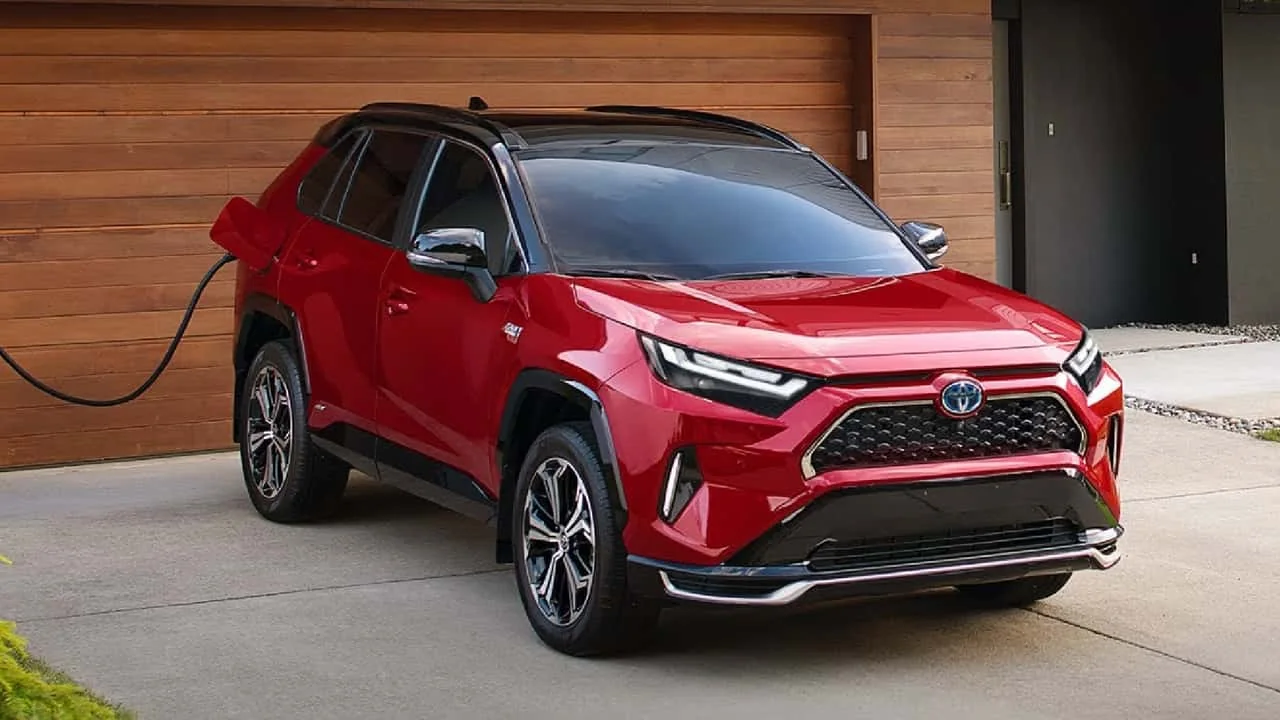
Critics claimed that plug-in hybrid electric vehicles (PHEVs) didn't make sense, but Toyota has just proven them wrong by showing that American and Canadian PHEV owners charge their cars more often than Europeans. This data challenges the common assumption that PHEVs are less practical for everyday use due to charging time concerns.
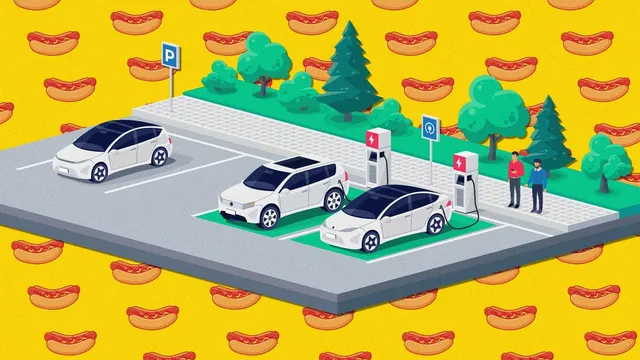
One of the key factors contributing to this difference is the availability of fast-charging infrastructure in North America compared to Europe. While both regions have made significant investments in expanding their charging networks, the US and Canada seem to be ahead in terms of rapid charging capabilities.
This disparity has a direct impact on the daily driving habits of PHEV owners. In North America, where charging times are generally faster, drivers can more easily incorporate plug-in hybrids into their commutes, making them a more viable option for long-distance travel and daily errands.
On the other hand, European PHEV owners face significant challenges when it comes to finding suitable charging stations, particularly in rural areas. This limited access to fast-charging infrastructure makes it harder for drivers to charge their vehicles regularly, which can reduce their overall satisfaction with the technology.
The data also highlights a notable difference in the types of vehicles that are popular among PHEV owners in North America versus Europe. In the US and Canada, Toyota's Camry Hybrid is one of the top-selling PHEVs, while in Europe, models like the BMW i4 and Audi e-tron are more popular.
As the demand for sustainable and environmentally friendly transportation solutions continues to grow, it's essential to understand the nuances of PHEV adoption across different regions. By examining these differences, we can better appreciate the importance of investing in charging infrastructure and developing more accessible plug-in hybrid technologies.
Furthermore, this data suggests that Toyota's approach to marketing and promoting its PHEVs may be playing a role in their popularity among North American consumers. The company's emphasis on the practical benefits of plug-in hybrids, such as reduced fuel costs and lower emissions, resonates with drivers who value convenience and environmental sustainability.
In conclusion, the data from this study reveals that PHEV owners in North America are indeed more likely to charge their vehicles regularly than those in Europe. This finding has significant implications for the automotive industry, highlighting the need for more widespread adoption of fast-charging infrastructure and the development of more user-friendly plug-in hybrid technologies.
Ultimately, as the world shifts towards a more sustainable transportation future, it's crucial that we learn from these regional differences and work towards creating a more equitable and accessible electric vehicle market for all consumers.
The data suggests that consumers in the US and Canada are embracing plug-in hybrid electric vehicles at a higher rate than their European counterparts.