
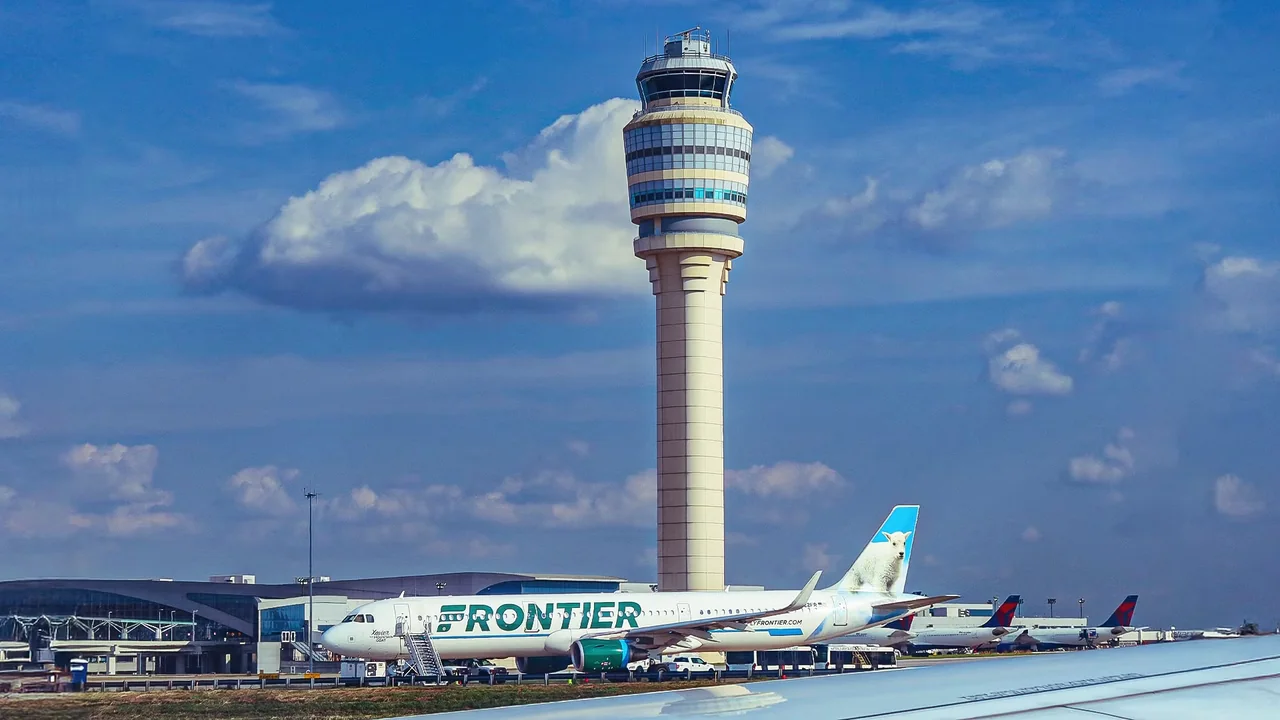
The busiest airports in the US, Hartsfield-Jackson Atlanta International Airport and Chicago O'Hare, rely on outdated software dating back to before the iPhone was even released. This may seem alarming, but it's essential to understand the intricacies behind their air traffic control (ATC) systems.
While both airports claim to be among the busiest in the country, their ATC systems are surprisingly similar in terms of age and functionality. Atlanta's system uses software from 2000 or earlier, while O'Hare's system is equally outdated, with over 800,000 aircraft movements recorded in 2025 alone.
The US Air Traffic Control (ATC) network consists of a mix of old and new systems, making it challenging to pinpoint an exact timeline for modernization. The Next Generation Air Transportation System (NextGen), expected to roll out into the 2030s, aims to address these concerns but is hindered by regulatory hurdles.

One of the primary reasons ATC modernization efforts are slow is the need for safety certification and interoperability. Ensuring new systems meet FAA standards can be a daunting task, particularly when it comes to integrating them with existing infrastructure.
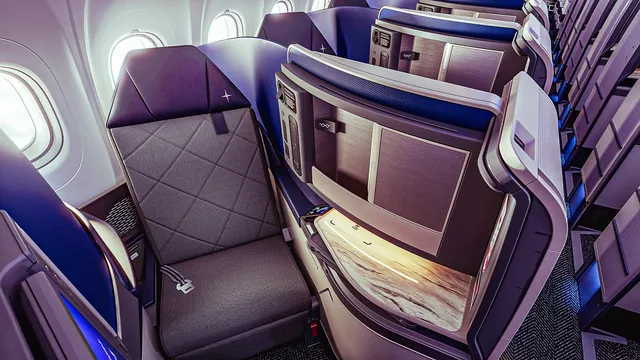
The aviation industry has faced similar challenges in upgrading other critical systems, such as nuclear weapon systems and even business class seats. The complexities involved highlight the importance of careful planning and coordination during modernization efforts.
In some cases, old technology remains operationally useful despite becoming technologically outdated. Standardizing time zones, for instance, was a significant challenge that ultimately led to the widespread adoption of a single global standard.

The US Air Force's nuclear weapon system, which relied on 1970-era computing systems, is another example of how aging technology can persist in critical sectors. The challenges faced by modern banks and the aviation industry serve as a reminder that upgrading old systems requires careful consideration and planning.
As ATC systems continue to evolve, it's essential to address the regulatory hurdles that hinder progress. By prioritizing safety certification and interoperability, the FAA can help pave the way for more efficient and effective air traffic control.
Ultimately, the aviation industry must strike a balance between modernization efforts and the need for reliable, operational systems. By acknowledging the complexities involved, we can work towards creating safer and more efficient air travel experiences.

The aviation industry is grappling with the complexities of upgrading aging air traffic control systems.