
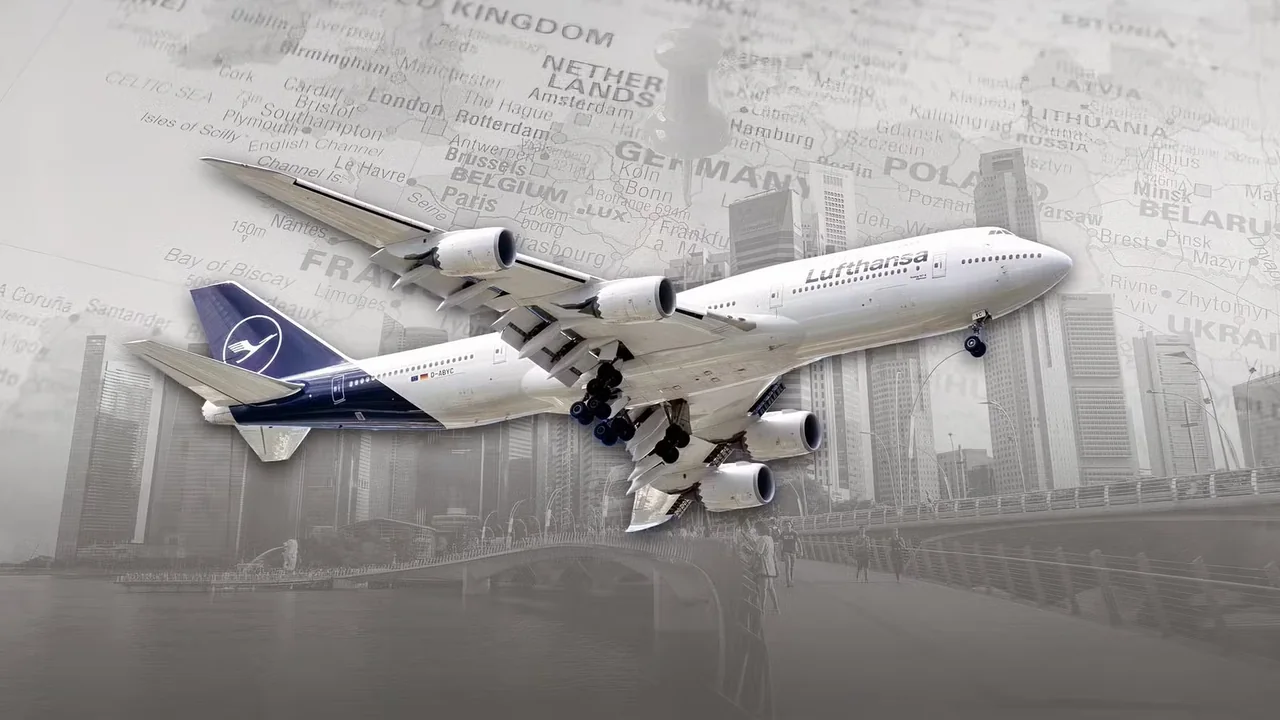
Boeing 747 pilots are among the most specialized aviators in commercial aviation, flying some of the world's longest and heaviest missions. Despite the aircraft's decline from passenger fleets, qualified pilots continue to operate the four-engine giant on ultra-long-haul cargo operations and premium international routes. Their years of experience, advanced training, and seniority support strong salaries across the industry.
The Boeing 747 was once the backbone of intercontinental air travel, with airlines like British Airways and United Airlines operating large fleets during its peak decades. Today, only a handful of passenger airlines continue to fly the type, while cargo operators have become the aircraft's largest supporters.
This rarity matters financially, as airlines typically assign Boeing 747 operations to experienced long-haul crews due to the aircraft's association with demanding missions and complex international regulations.

Salaries for Boeing 747 pilots are significantly higher than those of other commercial aircraft. According to salary estimates, pilots identified specifically as '747 pilots' in the United States average around $135,000 annually in 2026.
However, this number only scratches the surface, as it includes a wide range of operators and experience levels. Data from Flight Crew International (FCI) Aero highlights how Boeing 747-qualified pilots remain in demand globally due to the limited number of crews certified on the aircraft.
The high demand for Boeing 747 pilots is driven by the specialized nature of ultra-long-haul cargo operations, which require highly trained and experienced crew members. Major cargo airlines and premium international carriers offer significantly higher compensation packages through hourly pay, international allowances, overtime, and profit-sharing agreements.

One reason salaries remain strong is the aircraft itself. The Boeing 747 is still one of the most technically demanding airliners in regular service, requiring pilots to manage four engines, enormous fuel loads, sophisticated long-range navigation systems, and augmented crew operations on flights that may exceed 14 or even 16 hours.
These responsibilities naturally command higher pay than shorter domestic flights. As a result, Boeing 747 pilots are among the highest paid professionals in commercial aviation, with salaries that continue to support strong demand for their services despite the fleet's decline.
The gradual retirement of the Boeing 747 is reshaping one of aviation's most exclusive pilot markets, as airlines seek to replace experienced crews with newer aircraft and training programs.

This trend has significant implications for the future of commercial aviation, highlighting the importance of investing in pilot training and development programs to meet the evolving needs of the industry.
The Boeing 747's technical demands and limited crew certification make it a highly sought-after aircraft.