

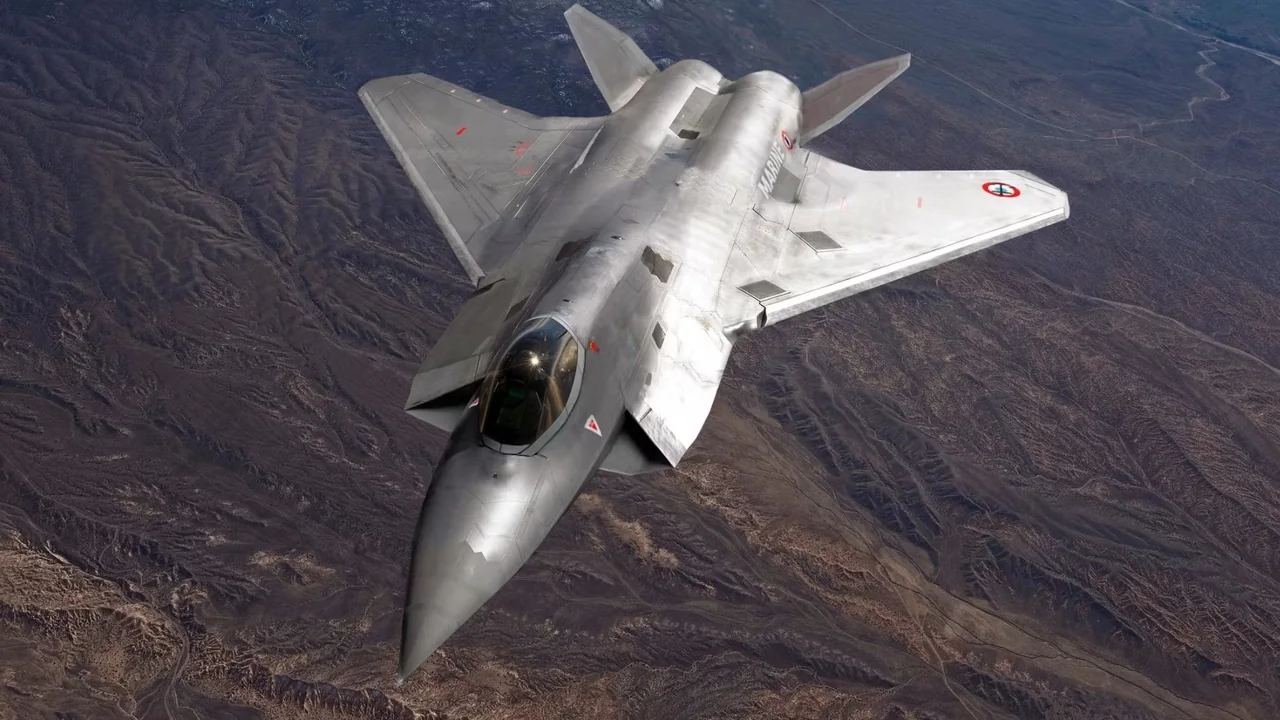
The Future Combat Air System (FCAS) has been officially canceled, marking a significant setback for Europe's efforts to develop a joint fighter jet. The €100 billion project, which began in 2017, was plagued by prolonged negotiations between France and Germany over intellectual property and work sharing due to the rivalry between leading aerospace contractors. This rivalry led to a stalemate, ultimately resulting in the cancellation of the program.
The cancellation of FCAS comes as Western military leaders increasingly warn of the growing threat from Russia, exacerbated by the US drawdown on the continent. The decision to cancel the most ambitious collaborative defense project in European history is a significant blow to the region's defense capabilities and highlights the challenges of working together towards a common goal.
Despite the cancellation, there are indications that Germany and France may explore alternative options for developing their fighter jets. Germany has expressed interest in acquiring more Lockheed Martin F-35 Lightning II stealth fighters, but these jets have experienced significant issues with software refreshes, severely diminishing fleet readiness around the world.

The F-35 Joint Strike Fighter is not a sixth-generation platform and lacks much of the technology being pursued under the FCAS design. Additionally, the US Next Generation Air Dominance F-47 is unlikely to be exported, leaving Germany and France to explore other options for their fighter jet needs.
Speculation has abounded as to what could follow in the void left by an unsuccessful FCAS deal. One possibility is that Germany may join the BAE Systems-led consortium for the development of the Tempest fighter jet, which is being developed in partnership with Italy and Sweden.
The cancellation of FCAS also highlights the importance of cooperation between European nations on defense matters. The move is being seen as a diplomatic maneuver to salvage defense-industrial cooperation on a wider scale, with Germany's IG Metall union welcoming the change in direction.

However, the cancellation of FCAS also raises questions about the future of collaborative defense projects in Europe. It highlights the challenges of working together towards a common goal and underscores the need for greater cooperation and understanding between nations.
The decision to cancel FCAS is a significant blow to the region's defense capabilities and highlights the importance of investing in next-generation fighter jets. The development of sixth-generation aircraft like the F-47 and Tempest fighter jet will be crucial in addressing the growing threat from Russia and other adversaries.
In conclusion, the cancellation of FCAS marks a significant setback for Europe's efforts to develop a joint fighter jet. However, it also presents an opportunity for Germany and France to explore alternative options and cooperate on defense matters on a wider scale.
The cancellation of the FCAS program highlights the challenges of collaborative defense projects between European nations.