The Strait of Hormuz has been a critical waterway for international trade, with millions of barrels of oil and liquefied natural gas (LNG) passing through its waters every day. However, the ongoing war in the region has severely curtailed shipping traffic, leaving thousands of seafarers stranded on hundreds of ships in the Gulf.
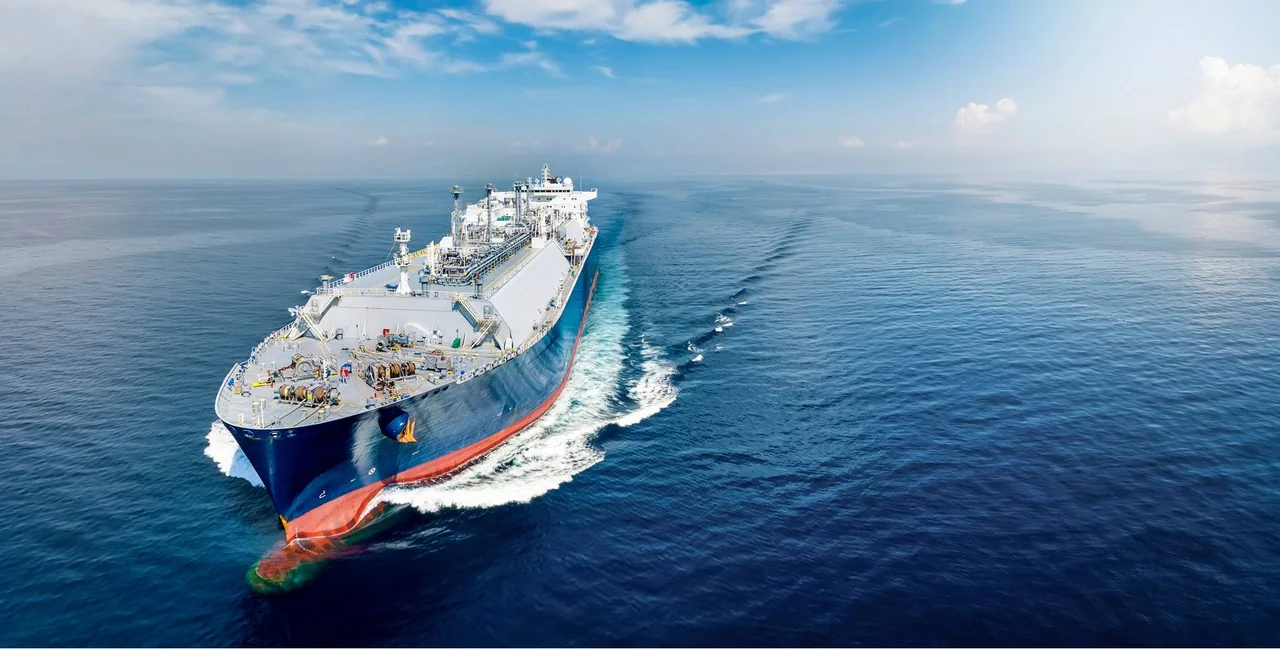
A fifth Qatari-controlled LNG tanker, Al Daayen, has recently transited the Strait of Hormuz with a cargo, according to ship-tracking data. This brings the total number of loaded LNG vessels to have exited the waterway since the war started to nine.
The tanker was seen on ship-tracking data off the coast of Qatar around June 4-5 and reappeared on Monday with the vessel heading for China. The Al Daayen tanker loaded a cargo at Qatar's Ras Laffan terminal on June 1, according to Kper data.
In another development, a ballast LNG tanker managed to enter the waterway again after delivering a shipment to India. This is a significant milestone in the efforts to restore shipping traffic through the Strait of Hormuz.
The UAE-based Al Hamra tanker, operated by Abu Dhabi National Oil Company (ADNOC), had previously entered the strait to load a cargo at Das Island sometime between April 19 and May 23. The vessel last appeared on AIS on May 30 before its 'dark' inbound transit to reload.
The easing of tanker traffic in the Strait of Hormuz is a positive sign for global energy markets, but it does not necessarily mean that tensions are easing. The ongoing war in the region continues to pose significant risks to shipping and trade.
Before the war began, shipping traffic through the strait averaged 125-140 daily passages. About 20,000 seafarers remain stranded on hundreds of ships in the Gulf, highlighting the need for urgent action to restore stability in the region.
The Strait of Hormuz has been a critical waterway for international trade, and any disruption to its operations can have far-reaching consequences for global energy markets and economies.
The easing of tanker traffic in the Strait of Hormuz is a positive sign for global energy markets, but it does not necessarily mean that tensions are easing.