
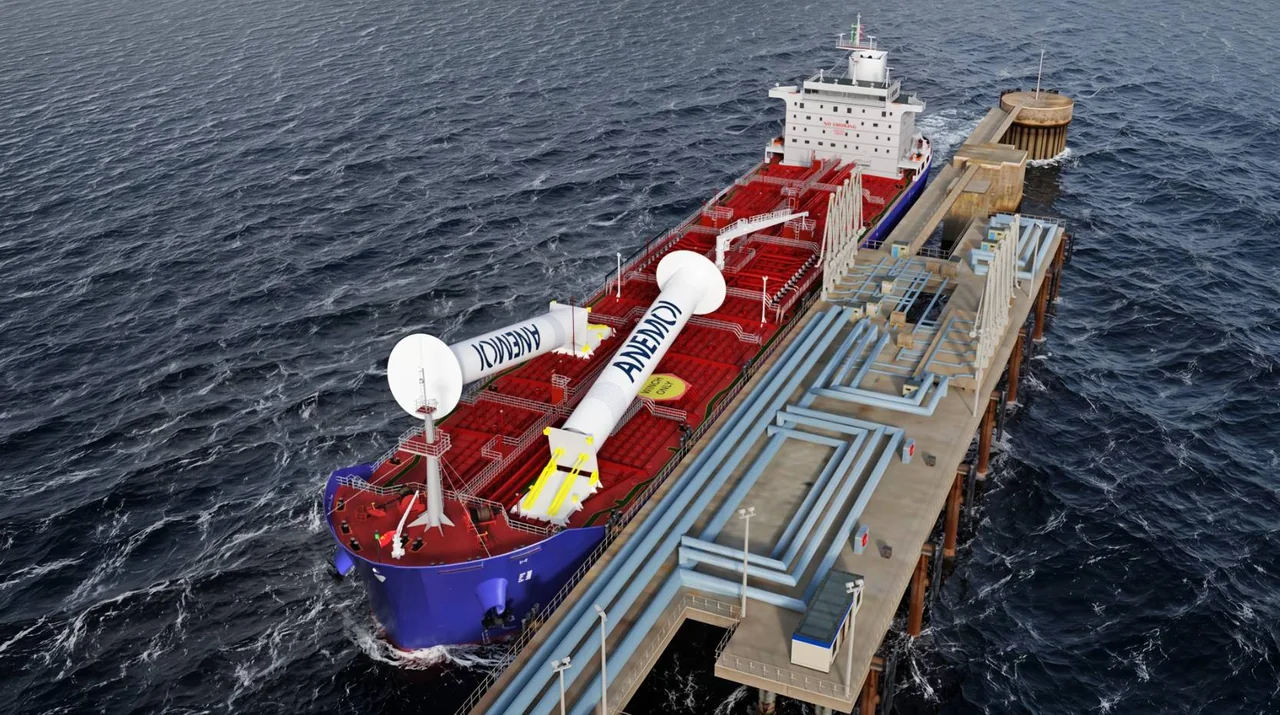
An Anemoi Marine Technologies-led consortium has successfully completed a joint development project aimed at integrating Rotor Sail wind propulsion systems into medium-range (MR) tanker designs. Classification society DNV has granted Approval in Principle (AiP) for the design, marking a significant milestone in the adoption of this innovative technology. The project was developed in collaboration with Guangzhou Shipyard International and tanker operator Hafnia, highlighting the growing interest in wind-powered shipping solutions.
The approval provides shipowners with a verified design basis for installing wind-assisted propulsion systems on product tankers, a vessel segment where deck space, cargo handling requirements, and safety considerations can complicate deployment. This breakthrough could lead to increased energy efficiency and reduced operating costs for MR tanker operators.
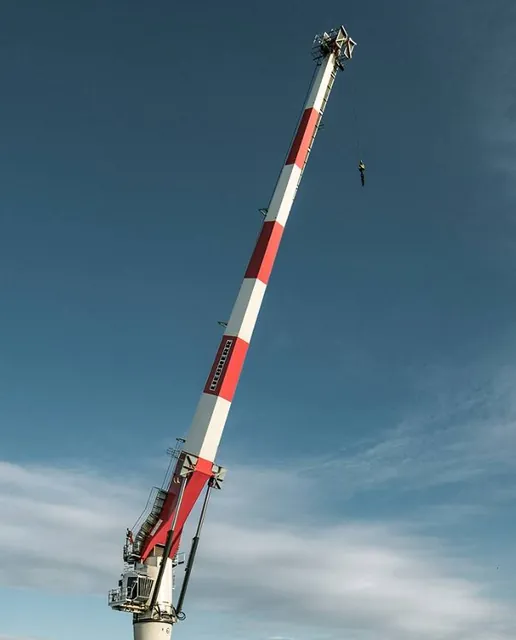
Anemoi's 5 by 35-meter folding Rotor Sails were designed to meet explosion safety requirements for hazardous areas on tanker decks. The project also developed a lightweight deck seat that avoids the need for underdeck strengthening while allowing inspection and maintenance access. These innovations demonstrate the potential of wind-assisted propulsion systems in the MR tanker sector.
The concept incorporates the treatment of Rotor Sails under the International Maritime Organization's Energy Efficiency Design Index (EEDI) and Energy Efficiency Existing Ship Index (EEXI) frameworks, as reviewed by DNV. This ensures that the design meets international standards for energy efficiency and environmental sustainability.
DNV reviewed the design package before issuing the AiP, highlighting the importance of rigorous testing and verification in the adoption of new technologies. The project has demonstrated potential energy-efficiency benefits while providing a practical pathway for wind-assisted propulsion adoption in the MR tanker sector.
The approval is a significant step forward for wind-assisted propulsion in the tanker sector, as it provides a clear and verified design basis for shipowners. This could lead to increased investment in wind-powered shipping solutions and a reduction in greenhouse gas emissions from the maritime industry.
Nick Contopoulos, Chief Production and Partnerships Officer at Anemoi, stated that completing this project is a significant step forward for wind-assisted propulsion in the tanker sector. The demonstration of the efficiency, safety, and minimal structural impact of the EX-rated Rotor Sail on MR tankers gives owners a clear pathway to adoption.
The success of this joint development project highlights the potential of collaborative efforts in driving innovation and adoption of new technologies in the maritime industry. As the shipping sector continues to focus on reducing its environmental footprint, wind-powered propulsion systems are likely to play an increasingly important role.
Anemoi Marine Technologies' breakthrough in Rotor Sail design is a testament to the company's commitment to developing sustainable and efficient solutions for the maritime industry. The approval of this design by DNV marks an important milestone in the adoption of wind-assisted propulsion systems on product tankers.
The approval paves the way for increased adoption of wind-assisted propulsion systems on product tankers, which could lead to significant reductions in greenhouse gas emissions and operating costs.