
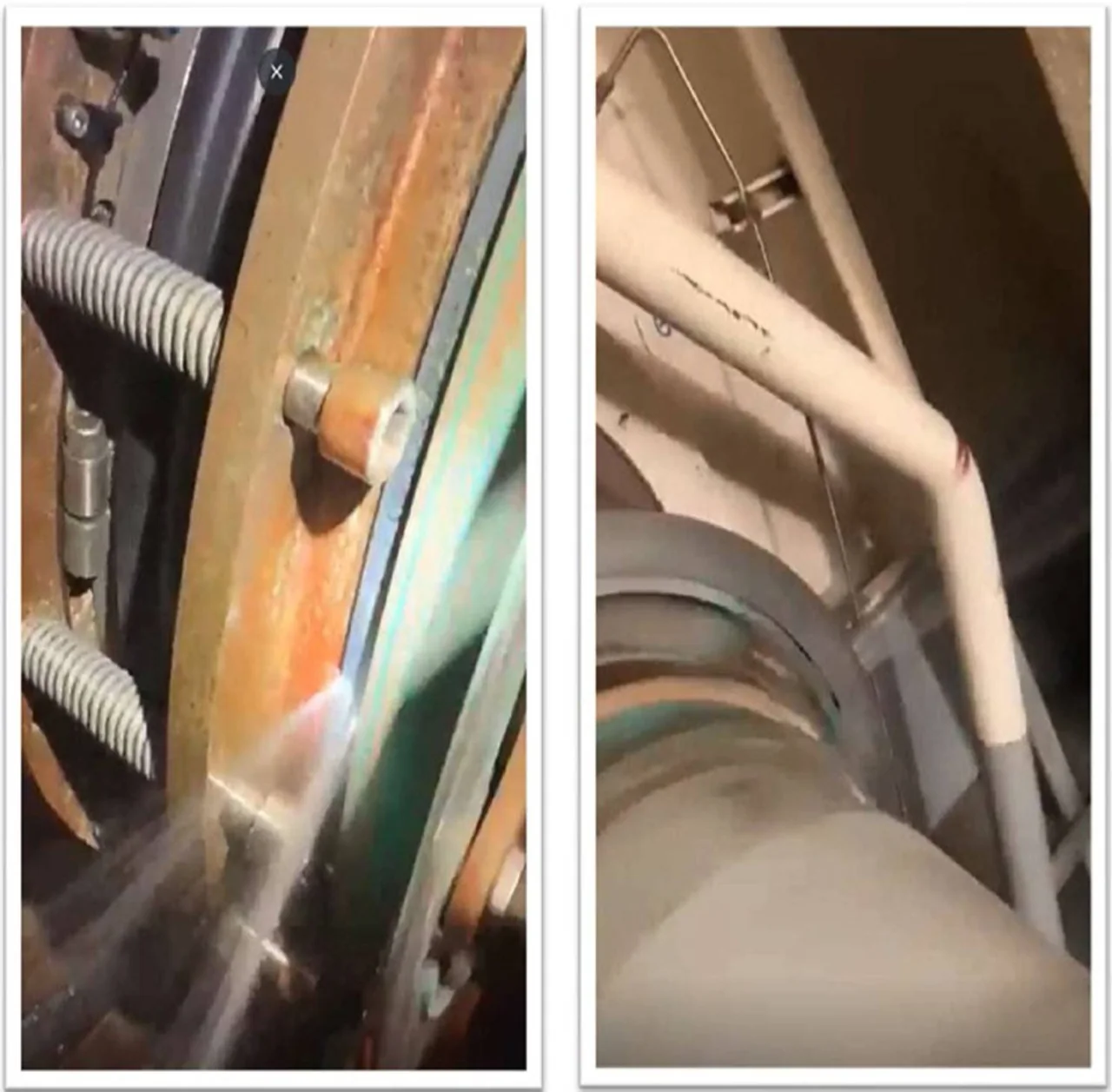
The U.S. Coast Guard (USCG) has issued a warning about a potential safety hazard related to prototype shaft seals used in mechanical systems on deep draft vessels. The warning comes after a recent incident where a crude-oil tanker experienced simultaneous failures of its port and starboard shaft seals, resulting in substantial seawater ingress. The crew was able to deploy emergency collars and use the vessel's emergency bilge system to remove the water, but the incident highlights the need for improved safety protocols. The USCG is urging Recognized Organizations (ROs) to enhance scrutiny of material specifications and verify material certification during vessel inspections and surveys.
The investigation revealed that the failed component was a prototype composite seal-facing material installed during dry-dock as part of a shaft-seal system previously approved by the RO. Notably, the investigation found that the RO-approved design drawings lacked specific material details, vaguely describing the seal-facing material only as 'composite'. This lack of clarity may have contributed to the failure, and the USCG is calling for more detailed descriptions in approved drawings.
The incident also highlights the importance of communication between manufacturers, vessel owners, and operators. The seal manufacturer did not disclose its use of the unapproved prototype material, which was only discovered after the incident occurred. This lack of transparency may have contributed to the failure, and the USCG is urging manufacturers to inform vessel owners and operators of any deviations from existing approvals prior to installation.
The USCG is also emphasizing the need for improved oversight of supplier quality control to remain vigilant against changes in manufacturing. Manufacturers must ensure that installed components match the approved design and improve oversight of material certification during vessel inspections and surveys.
In light of this incident, the USCG strongly recommends that ROs enhance scrutiny of material specifications by requiring detailed descriptions in approved drawings and questioning of vague terms. This will help to prevent similar failures in the future and ensure that vessels are safe for operation.
The incident serves as a reminder of the importance of rigorous testing and certification processes for marine equipment. Manufacturers must prioritize safety and transparency, and vessel owners and operators must be vigilant in monitoring their systems for any signs of failure or deviation from approved standards.
The USCG is committed to ensuring the safety of vessels and mariners. The warning issued today highlights the agency's ongoing efforts to identify and address potential safety hazards in the marine industry.
The incident also underscores the need for improved communication between manufacturers, vessel owners, and operators. Clearer protocols for reporting deviations from existing approvals and more transparent communication about material specifications are essential for preventing similar failures.
The USCG is urging ROs, manufacturers, and vessel owners to take immediate action to address these concerns and prevent similar incidents in the future.
The incident highlights the importance of rigorous material testing and certification processes to ensure vessel safety.