
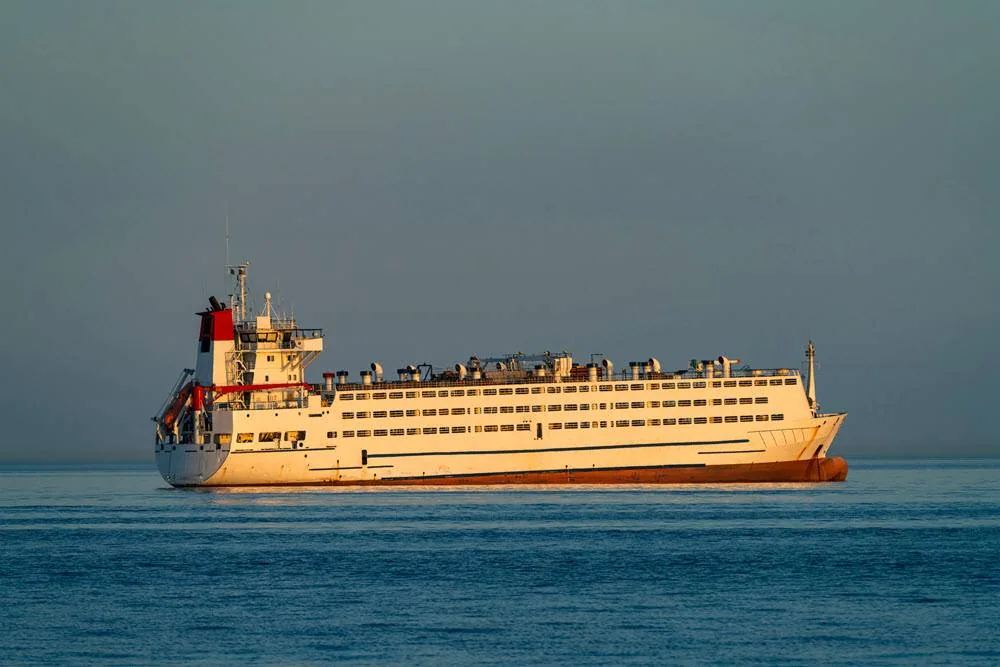
The Middle East is facing a severe crisis as thousands of seafarers are stuck in the region, while approximately 70,000 animals are stranded on livestock carriers. The situation has been exacerbated by the ongoing conflict in the area, which has disrupted global trade and led to delays in animal shipments. As a result, many animals are being held captive for extended periods without access to proper care or veterinary attention.
The livestock carriers have been traveling from various parts of the world, including South America, the European Union, and the Horn of Africa, to destinations such as Saudi Arabia, the United Arab Emirates, Lebanon, Iraq, Israel, and Jordan. The vessels are currently being held in the conflict zone due to a combination of factors, including technical issues, refusals to disembark animals, and delays in navigating through the Suez Canal.
The situation is particularly dire for the seafarers who are stranded in the region, as they are facing uncertain living conditions and limited access to basic necessities. In some cases, the vessels have been stuck in port for weeks or even months, with no clear indication of when they will be able to continue their journey. This has led to concerns about the mental and physical health of the seafarers, who are being held captive against their will.
Six livestock carriers are currently in the conflict zone, including the Al Mabrouka, which departed from Digna (Sudan) and is now in Jeddah (Saudi Arabia). The Balha One, which departed from Rio Grande (Brazil), is heading towards the Suez Canal after a technical stop in Cartagena (Spain). The Mariona Star, which departed from Tartus (Syria) bound for Jeddah, is currently in the Red Sea.
The Mayar, which departed from Berbera (Somalia) bound for Jeddah, is currently in the Red Sea. The Maysora, which departed from Vila do Conde (Brazil) bound for the United Arab Emirates or Iraq, is in the Suez Canal. The Tuleen, which departed from Koper (Slovenia), is currently approaching Haifa (Israel).
Seven other livestock carriers are also heading towards the conflict zone, including the Al Farouk, departing from Reni (Ukraine) bound for Beirut (Lebanon), and the Galloway Express, departing from Montevideo (Uruguay) bound for Ashdod (Israel). The Julia Ak, departing from Vila do Conde (Brazil) bound for Jeddah (Saudi Arabia), is currently off the coast of Mauritania.
The situation highlights the need for better coordination and cooperation among nations to prevent such delays and ensure animal welfare. A coalition of 36 organizations has issued a letter to the Secretary-General of the IMO calling for binding international regulations for livestock carriers, which could help mitigate this crisis in the future.
The current situation is a stark reminder of the importance of prioritizing animal welfare and ensuring that global trade is conducted in a responsible and sustainable manner. The delays and disruptions caused by the conflict in the Middle East have had far-reaching consequences for the animals being transported, as well as for the seafarers who are stranded in the region.
The international community must take immediate action to address this crisis and ensure that livestock carriers are treated with the respect and care they deserve. This includes implementing stricter regulations and ensuring that all parties involved in the transportation of animals are held accountable for their actions.
The future of global trade and animal welfare depends on our ability to work together and find solutions to this complex problem. By prioritizing cooperation, coordination, and compliance with international regulations, we can help prevent such crises in the future and ensure that all stakeholders – including seafarers, animals, and the environment – are protected.
The current situation highlights the need for stricter regulations and better coordination among nations to prevent such delays and ensure animal welfare.