
Germany-based ferry operator TT-Line has successfully implemented a significant reduction in carbon dioxide (CO2) emissions on its ro-ro passenger vessels. The company's 230-metre ships, Nils Holgersson and Peter Pan, have been operating on bio-LNG since 2025, marking a substantial milestone in the transition to more sustainable maritime practices. These vessels trade in the Baltic Sea between Germany, Sweden, Poland, and Lithuania, serving as a critical transportation link for passengers and cargo in the region. By embracing bio-LNG, TT-Line is taking a decisive step towards reducing its environmental footprint and contributing to climate protection on the Baltic Sea.
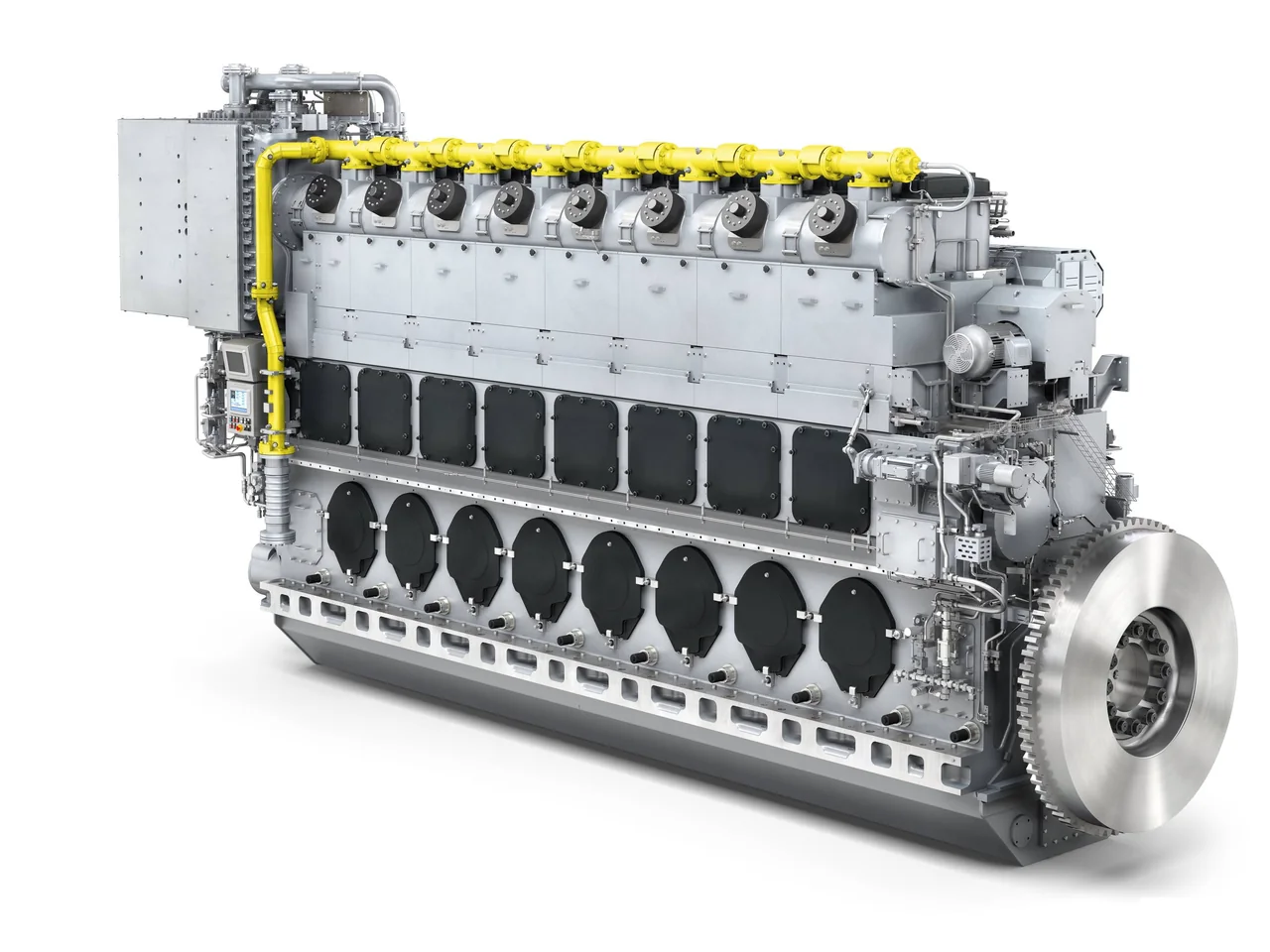
The Nils Holgersson and Peter Pan vessels are powered by advanced engines that utilize 2 × 8L51/60DF + 2 × 6L51/60DF engines each. This configuration enables the ships to efficiently harness the benefits of bio-LNG, a climate-neutral fuel obtained from waste materials. The collaboration between TT-Line and Everllence has been instrumental in optimizing the use of this technology, with continuous emission measurements conducted on board the Nils Holgersson for almost a year.
The results of these measurements have revealed that the use of bio-LNG does not pose any significant risks to engine longevity or performance. In fact, the emissions values obtained during the test period could be consistently reproduced by measurements taken on board, indicating a seamless integration of this technology into the vessels' operations. Furthermore, there were no negative impacts observed on engine operating parameters during bio-LNG operation.
The successful implementation of bio-LNG on TT-Line's vessels is a testament to the company's commitment to sustainability and innovation in the maritime industry. By adopting climate-neutral fuel sources, TT-Line is not only reducing its CO2 emissions but also enabling customers to fully compensate for their journey by adding bio-LNG during booking processes.
The use of bio-LNG on ferries offers a promising solution to reduce CO2 emissions in the maritime industry. With the ability to replace one tonne of fossil LNG with bio-LNG, TT-Line is saving 2.75 tonnes of CO2 emissions, equivalent to a 100% reduction. This significant decrease in emissions has a direct impact on the environment and contributes to a more sustainable transportation system.
The production process for bio-LNG involves feeding biogas into the grid, where it is then extracted, liquefied, and loaded onto a bunker vessel. These vessels transport the climate-neutral fuel to the respective TT-Line vessels, enabling the company to operate with reduced environmental impact. This approach not only reduces CO2 emissions but also supports the use of waste materials as a sustainable energy source.
TT-Line's adoption of bio-LNG technology has been made possible through its collaboration with Everllence. The company's expertise in providing prime services for the maritime industry has been instrumental in supporting TT-Line's efforts to optimize the use of this technology. This partnership demonstrates the importance of cooperation and knowledge-sharing in driving innovation and sustainability in the maritime sector.
The success of bio-LNG on TT-Line's vessels serves as a model for other ferry operators looking to reduce their environmental impact. As the demand for sustainable transportation solutions continues to grow, it is essential that the industry prioritizes innovation and collaboration to achieve this goal. By embracing technologies like bio-LNG, ferry operators can make a significant contribution to reducing CO2 emissions and shaping a more sustainable future.
The implementation of bio-LNG on ferries offers a promising solution to reduce CO2 emissions in the maritime industry. As the use of climate-neutral fuel sources becomes increasingly prevalent, it is essential that we recognize the importance of this technology in driving sustainability and innovation in the sector.
The use of bio-LNG in ferries offers a promising solution to reduce CO2 emissions in the maritime industry.