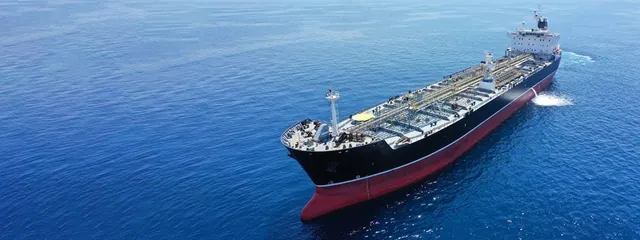
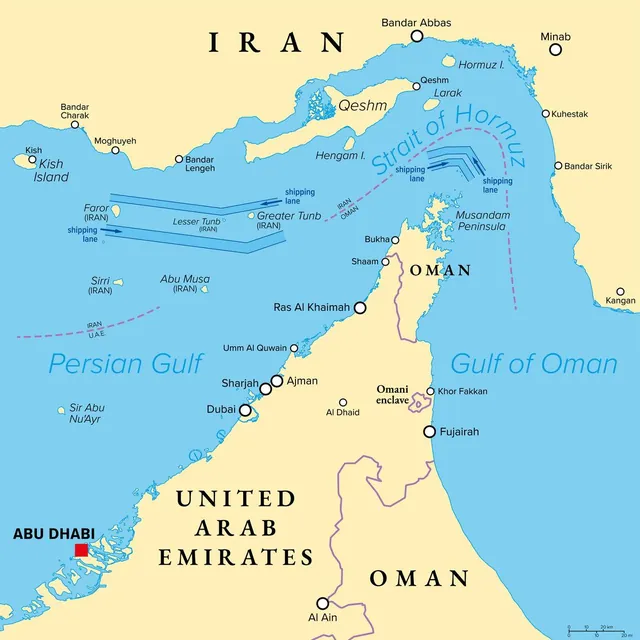
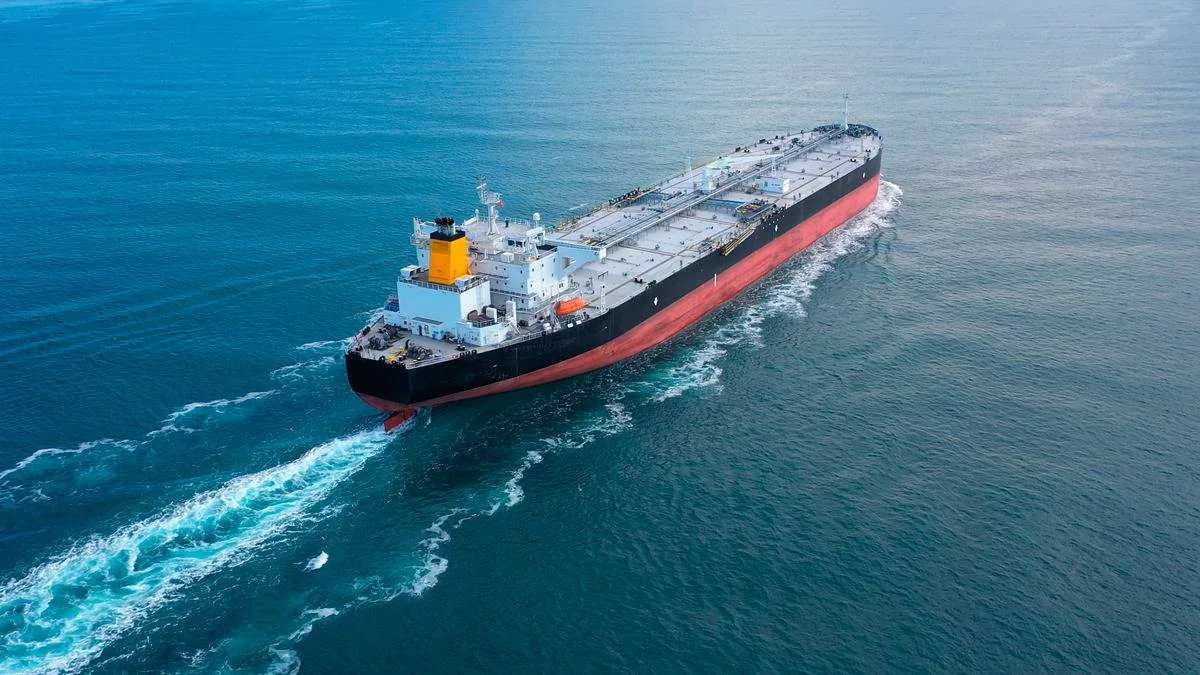
Iranian crude oil has continued to flow through the Strait of Hormuz at a near-normal pace even as Tehran-linked attacks on ships in the narrow waterway have decimated exports from other Gulf countries. This development is a stark contrast to what happened during the US military campaign in Venezuela, where a naval blockade and seizures of vessels attempting to enter or exit Venezuelan waters resulted in significant disruptions to oil exports. The fact that Iran has been able to maintain its exports without any reported interceptions raises questions about the effectiveness of Western sanctions and the ability of countries to enforce maritime restrictions.
["The data from TankerTrackers.com and Kpler indicates that Iranian crude oil exports have equated to between 1.1 million barrels per day and 1.5 million bpd from February 28 through March 11. This pace is similar to Iran's average exports last year, which were around 1.69 million bpd. The recent increase in exports has been attributed to the country's efforts to ramp up production before potential military action by Israel and the US.", ['The Strait of Hormuz remains a critical chokepoint for oil exports from the Middle East, with over 20% of global oil supplies passing through it. Any disruption to this flow could have significant implications for global energy markets and geopolitics. The fact that Iran has been able to maintain its exports despite attacks on ships in the region suggests that the country is taking steps to protect its interests and ensure the continued flow of oil.', ['The US military campaign in Venezuela, which involved a naval blockade and seizures of vessels attempting to enter or exit Venezuelan waters, resulted in significant disruptions to oil exports. The fact that Iran has been able to avoid similar disruptions raises questions about the effectiveness of Western sanctions and the ability of countries to enforce maritime restrictions.', ["The recent increase in Iranian oil exports has been attributed to the country's efforts to ramp up production before potential military action by Israel and the US. This development could have significant implications for global energy markets, particularly if it leads to an increase in oil prices.", ['The vessels carrying Iranian oil are taking a calculated risk by sailing through the Strait of Hormuz despite attacks on ships in the region. The fact that they are able to do so suggests that Iran has been able to protect its interests and ensure the continued flow of oil.', ['The ongoing ability of Iran to export oil through the Strait of Hormuz could have significant implications for global energy markets and geopolitics. It also highlights the complexities of enforcing maritime restrictions and the challenges faced by countries in protecting their interests in sensitive regions.', ['The recent developments in the Middle East highlight the importance of the Strait of Hormuz as a critical chokepoint for oil exports from the region. The fact that Iran has been able to maintain its exports despite attacks on ships in the region suggests that the country is taking steps to protect its interests and ensure the continued flow of oil.', ['The global energy market is closely watching developments in the Middle East, particularly with regards to oil exports from the region. Any disruption to this flow could have significant implications for global energy markets and geopolitics.']]]]]]]]
The ongoing ability of Iran to export oil through the Strait of Hormuz despite attacks on ships in the region could have significant implications for global energy markets and geopolitics.