
The U.S.-Venezuela relations have reached a critical juncture, with far-reaching implications for ocean shipping, energy markets, and trade compliance. The imposition of sanctions targeting Venezuela's oil sector has marked a new phase in the country's isolation from the international community. As tensions escalate, the consequences are being felt across various industries, including maritime transportation and energy trading. The situation is further complicated by the involvement of multiple stakeholders, including governments, corporations, and individual traders. The stakes are high, with significant economic interests at play. The impact on global trade flows and market dynamics will be closely watched in the coming months. Sanctions enforcement has become a pressing concern for companies operating in the region. The consequences of non-compliance can be severe, with potential fines and reputational damage looming large. As the situation continues to unfold, it remains to be seen how the international community will respond to this new development.
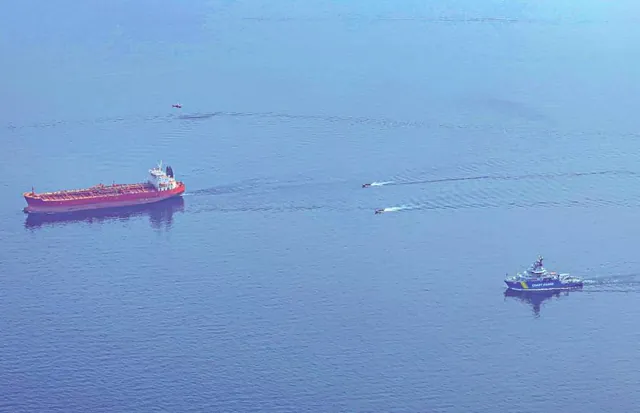
The U.S. government's actions have been aimed at curbing Venezuela's influence in the global energy market. By targeting the country's oil sector, Washington seeks to reduce its ability to export crude and limit its access to foreign currency. This strategy is part of a broader effort to isolate the Maduro regime and undermine its economic power. The sanctions also aim to disrupt Venezuela's maritime networks, which have been used to transport oil and other goods. The seizures of tankers and other vessels by U.S. authorities have sent a clear message that non-compliance will not be tolerated. As the situation continues to evolve, it is likely that more ships will be targeted in the coming weeks and months.
The implications of these sanctions on ocean shipping are far-reaching and complex. The increased enforcement of trade regulations has created uncertainty among shipowners, operators, and traders. The risk of fines and reputational damage has led many to reassess their operations in the region. The situation has also highlighted the need for greater cooperation between governments, industry stakeholders, and regulatory bodies. Effective communication and coordination will be crucial in navigating this challenging period. As the situation continues to unfold, it is likely that new regulations and guidelines will emerge to address the concerns of all parties involved.
The energy market is also feeling the impact of these sanctions. The reduction in Venezuela's oil exports has led to a surge in global prices, making it more expensive for countries to import crude. This has significant implications for energy trading companies, which must now navigate a complex web of supply and demand dynamics. The situation has also highlighted the need for greater diversification in energy markets, as countries seek to reduce their dependence on any one supplier. As the situation continues to evolve, it is likely that new trade agreements and partnerships will emerge to address these challenges.
The rise of Venezuela's maritime networks was a significant development in recent years, with the country emerging as a major player in global energy trading. However, this growth has also created opportunities for illicit activities, including smuggling and money laundering. The seizures of tankers and other vessels by U.S. authorities have sent a clear message that these activities will not be tolerated. As the situation continues to unfold, it is likely that new regulations and guidelines will emerge to address these concerns.
The impact of these sanctions on trade compliance is significant. Companies operating in the region must now navigate a complex web of regulations and guidelines, which can be difficult to interpret and enforce. The risk of fines and reputational damage has led many to reassess their operations and seek greater clarity on the rules that govern their activities. As the situation continues to evolve, it is likely that new guidance and support will emerge to help companies navigate this challenging period.
The international community's response to these sanctions will be closely watched in the coming months. Will other countries follow the U.S. lead and impose similar restrictions on Venezuela's oil sector? Or will they seek to find alternative solutions to address the country's economic challenges? The situation is complex, with multiple stakeholders and competing interests at play. As the situation continues to unfold, it remains to be seen how the international community will respond to this new development.
The sanctions have also highlighted the need for greater cooperation between governments, industry stakeholders, and regulatory bodies. Effective communication and coordination will be crucial in navigating this challenging period. The U.S. government's actions have sent a clear message that non-compliance will not be tolerated, but it is also important to ensure that all parties are working together to address the concerns of all stakeholders involved.
As the situation continues to evolve, it remains to be seen how the sanctions will impact the global economy in the long term. Will they lead to a reduction in oil prices and an increase in economic growth? Or will they have unintended consequences, such as disrupting global supply chains and causing market volatility? The situation is complex, with multiple variables at play. As the situation continues to unfold, it is likely that new research and analysis will emerge to help us better understand the impact of these sanctions.
The sanctions on Venezuela's oil sector are a significant development in the ongoing saga of U.S.-Venezuela relations. The implications for ocean shipping, energy markets, and trade compliance will be closely watched in the coming months. As the situation continues to unfold, it remains to be seen how the international community will respond to this new development.
The escalating sanctions on Venezuela's oil sector pose significant challenges for the global energy market. Companies operating in the region must navigate a complex web of regulations and guidelines, which can be difficult to interpret and enforce. The risk of fines and reputational damage has led many to reassess their operations and seek greater clarity on the rules that govern their activities.
The situation highlights the need for greater transparency and cooperation between governments, industry stakeholders, and regulatory bodies. Effective communication and coordination will be crucial in navigating this challenging period. As the situation continues to unfold, it is likely that new regulations and guidelines will emerge to address the concerns of all parties involved.
The escalating sanctions on Venezuela's oil sector pose significant challenges for the global energy market.