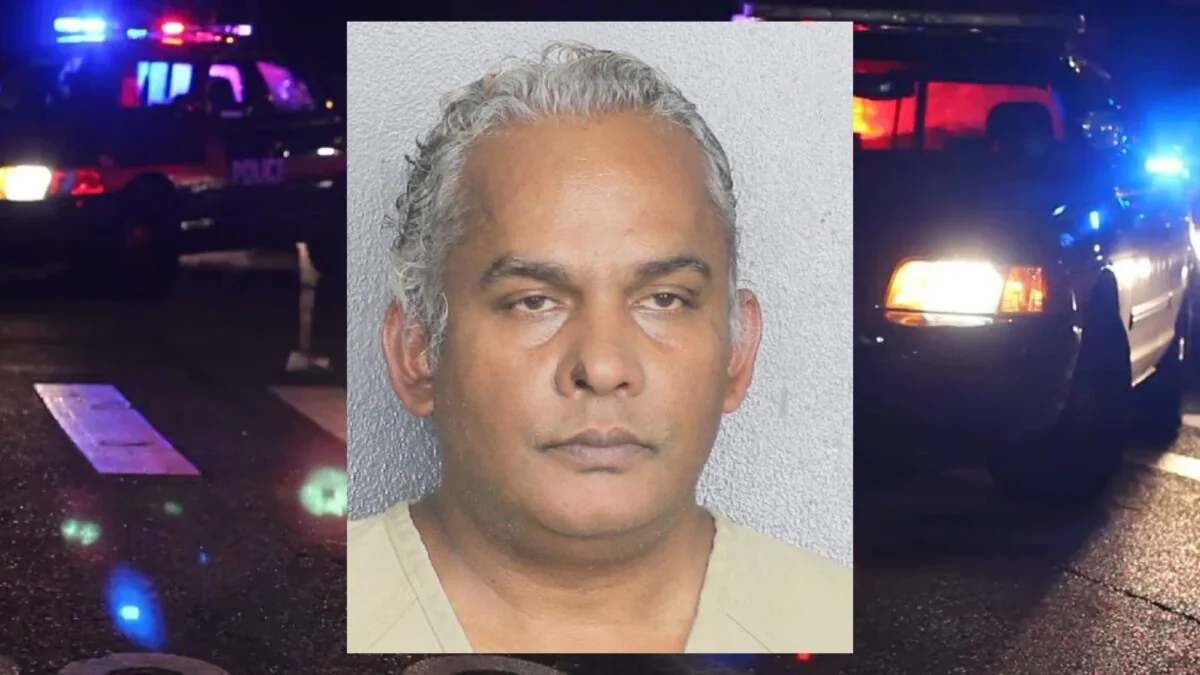
Royal Bengal Logistics, a Florida-based company, raised $158 million from 2,000 investors by promising 200% monthly returns. The scheme operated under four distinct investment programs, each structured to appear legitimate but ultimately premised on false representations about the company's profitability and growth. These programs were designed to exploit trust networks within defined communities, specifically targeting the Haitian-American community in Broward County and surrounding areas.
["The Truck Program offered investors a minimum of $55,000 for a semi-truck that would be titled in their name and operated by Royal Bengal Logistics as part of its fleet. Investors were promised 200% monthly returns, which is mathematically impossible in any real trucking operation. The program's returns required the trucks to generate gross revenue astronomical enough to support such claims.", ["The Long-Term Owner Financing Program offered returns in the range of 20% to 40%, while the Short-Term Investment Program promised returns in the same range, albeit with a shorter commitment period. The Trailer Sponsorship Program tied investments to trailer manufacturing operations in India, with investors receiving guaranteed returns from the trailers' subsequent use.", ['Despite its professional website and FMCSA registration, Royal Bengal Logistics operated as a Ponzi scheme. The company had real drivers, was listed on the SAFER database, and held annual investor events, but it was operating at a loss and using new investor money to pay returns to existing investors. Singh personally extracted funds from the company throughout, using them for personal expenses, mortgage payments, and stock market trading.', ['The scheme succeeded because it built credibility with a real-looking operation, targeted specific communities where trust networks were strong, paid early investors reliably to generate testimonials and referrals, and used new capital to fund returns to existing investors and personal expenses. The receiver appointed by the court estimated net losses of approximately $53.7 million, while Singh personally lost more than $12 million in investor money through speculative stock trading.', ["The trucks purchased with investor funds were described as older vehicles with 'lots of miles' that were ultimately cannibalized for parts at a Royal Bengal facility in Lubbock, Texas. The trailer manufacturing program had no operational reality that matched its description, and investors who put in $50,000 to fund trailer construction were not financing trailers being built and shipped to expand a growing fleet.", ['The scheme exploited the trust networks within defined communities, specifically targeting the Haitian-American community in Broward County and surrounding areas. The early investors who received returns from the Ponzi scheme became, wittingly or not, the referral network for the next round of investors, allowing the scheme to grow from community to community.', ['The Royal Bengal Logistics scheme succeeded because it was constructed to look legitimate. The website was professional, the FMCSA registration was real, and the early return payments were real. However, these red flags should be precisely named because they appear in every Ponzi scheme that targets the trucking industry.', ["The trucking industry's credibility was exploited by Royal Bengal Logistics to facilitate a massive Ponzi scheme. Every carrier, owner-operator, and investor in a trucking-adjacent deal needs to understand exactly how this mechanism works to avoid falling victim to similar schemes in the future."]]]]]]]]
The trucking industry's credibility was exploited by Royal Bengal Logistics to facilitate a massive Ponzi scheme.