


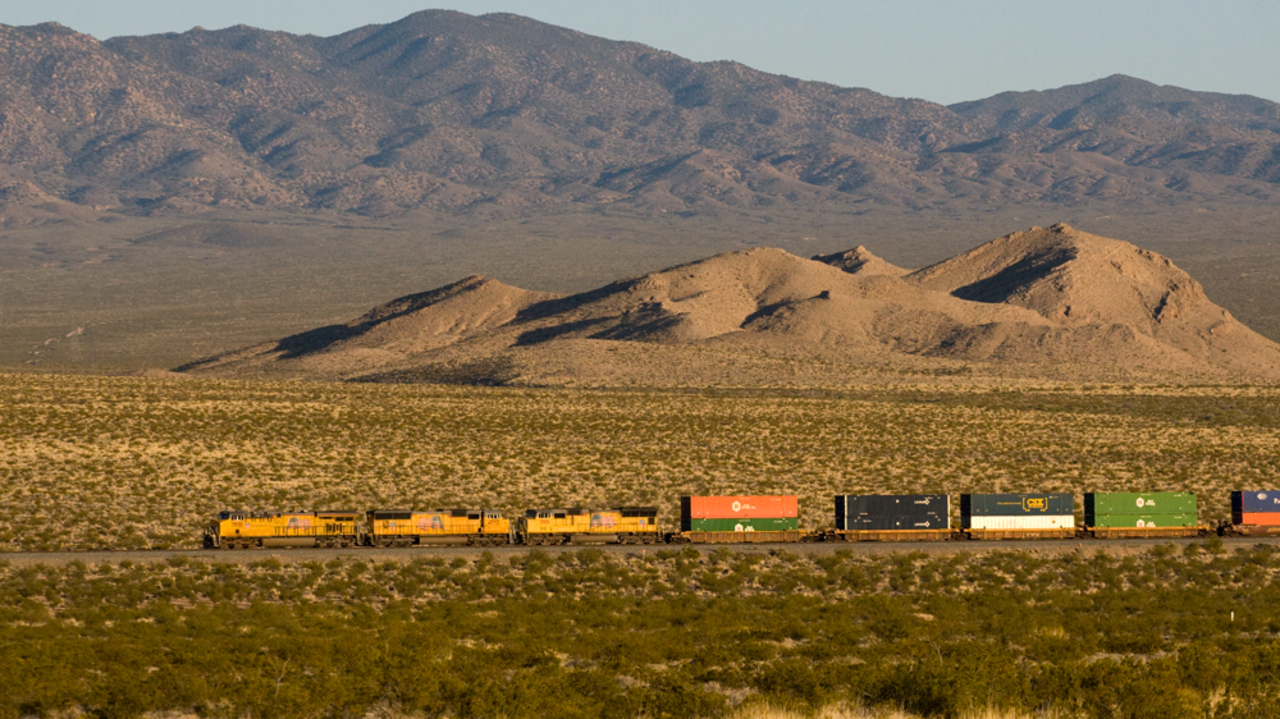
The Mojave Desert's geographic isolation creates a haven for sophisticated criminal networks that have turned rail cargo theft into a multimillion-dollar enterprise. The scale of this problem is staggering, with organized thieves exploiting physical vulnerabilities and technological blind spots to carry out their operations. As a result, trains traveling through these remote stretches of track are increasingly vulnerable to theft.
The task force accompanying Spinelli consists of just two investigators covering an enormous territory, which they manage with a caseload that would overwhelm a much larger unit. Despite the challenges, these officers field calls constantly and respond to emergencies as they arise. However, their limited resources make it difficult for them to keep pace with the sheer volume of cargo thefts in this region.
During the ride-along, the team investigated a suspected stash house positioned directly on the rail line, which served a singular purpose according to intelligence gathered by investigators. The structure was located in the middle of nowhere, and its presence was confirmed through surveillance footage and eyewitness accounts. This type of operation highlights the efficiency with which cargo thieves can move stolen goods from trains to temporary storage.

The Mojave Desert's isolation works to the advantage of cargo thieves, making it difficult for law enforcement to counter their operations. Trains traveling through these remote stretches of track pass through areas with minimal surveillance infrastructure and limited first responder access. This allows thieves to operate with reduced risk of detection while enjoying multiple escape routes through sparsely populated terrain.
Rail lines have been hit particularly hard in these remote locations, where the distance from population centers means criminals can operate with reduced risk of detection. The proximity to transportation infrastructure creates additional vulnerabilities, as stash houses positioned directly adjacent to rail lines allow for rapid movement of stolen goods. This efficiency reduces the window during which law enforcement might intercept stolen merchandise.
The methods employed by cargo thieves targeting rail freight have evolved into a highly coordinated, multi-phase operation that exploits both physical vulnerabilities and technological blind spots. Thieves have developed a systematic approach to identifying and extracting high-value cargo, beginning with scouting operations that exploit trains moving at night or during periods of low visibility.
This coordinated approach has made it increasingly difficult for law enforcement to track and intercept stolen goods. As a result, the rise of organized cargo theft in the Mojave Desert poses significant challenges for authorities, who must develop new strategies to combat this growing threat.
The impact of cargo theft on the rail industry cannot be overstated, as it can lead to significant financial losses and disrupt supply chains. As the problem continues to grow, it is essential that law enforcement agencies work closely with rail companies to share intelligence and coordinate efforts to prevent these types of operations.
Ultimately, addressing the issue of cargo theft in the Mojave Desert will require a multi-faceted approach that involves increased resources, improved surveillance infrastructure, and greater collaboration between law enforcement agencies and the rail industry.
The rise of organized cargo theft in the Mojave Desert poses significant challenges for law enforcement, who must navigate vast territories with limited resources.


