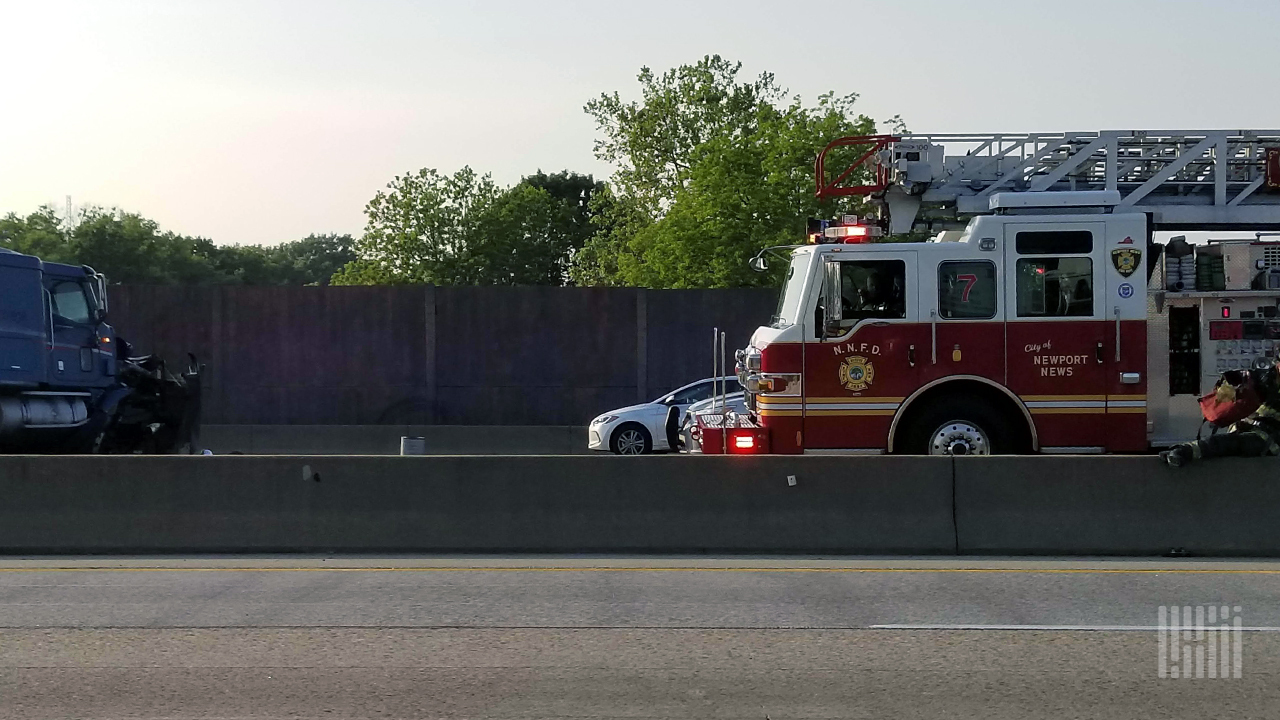


The world of transportation is often plagued by deceit and corruption, and the latest example is the Clearinghouse fraud scam. This scheme involves scammers manipulating the FMCSA Drug and Alcohol Clearinghouse system to clear drivers with drug-related issues back onto the road. The consequences can be devastating, as we saw in a recent case where a driver was arrested while impaired, with cocaine in his possession. This highlights the need for increased vigilance and oversight to prevent such incidents from occurring in the future.
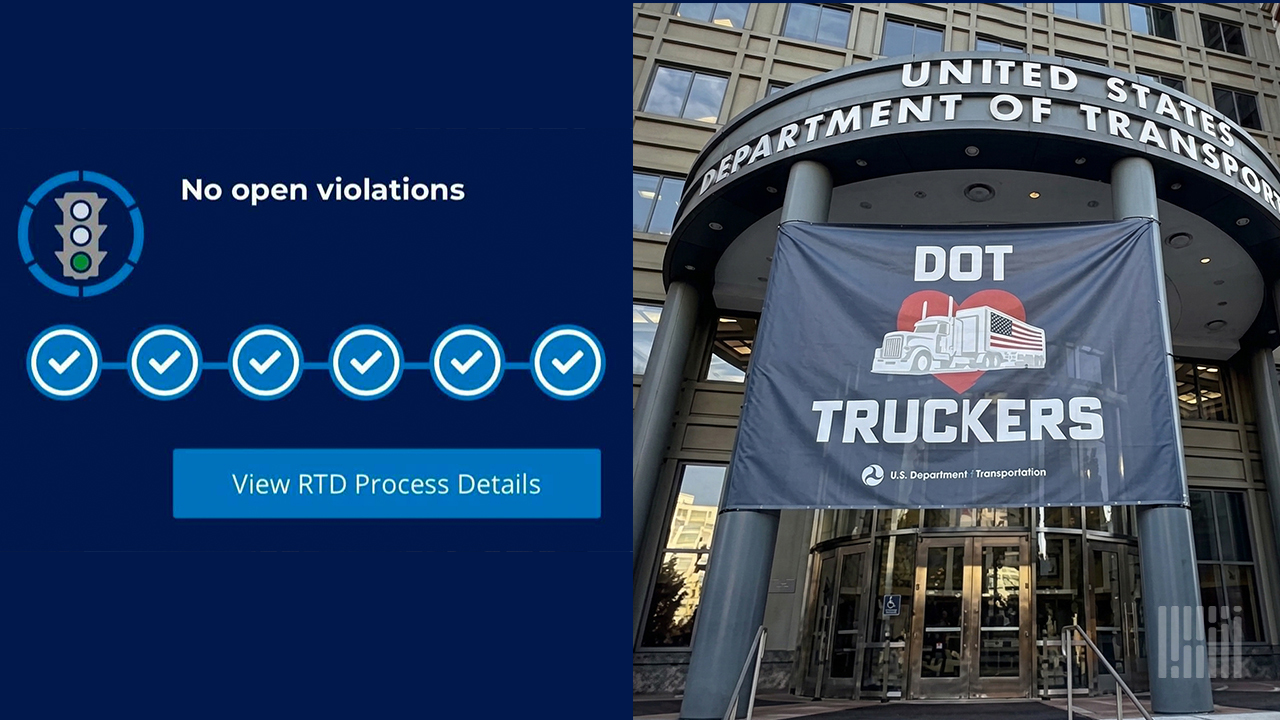
The FMCSA's return-to-duty program is designed to ensure that commercial drivers are fit to operate vehicles on public roads. However, scammers have found a way to exploit this system by creating fake SAP networks and manipulating driver records. This not only puts the safety of other drivers at risk but also undermines the integrity of the Clearinghouse itself.
The scheme involves scammers convincing drivers to hand over their CDL numbers, dates of birth, and names under false pretenses. They then use this information to create fake SAPs that clear drivers with drug-related issues from their records. This can be done by either operating a fake SAP network or by manipulating existing ones.

The FMCSA has documented this type of fraud and has identified the mechanism used by scammers. However, it appears that the agency's efforts to prevent such incidents have been inadequate. The lack of oversight and enforcement has created an environment where scammers can thrive.
Scammers are also using extortion tactics to demand payment from drivers in exchange for removing false violations from their records. This not only adds to the financial burden on drivers but also perpetuates a culture of corruption within the industry.
The Clearinghouse scam is a prime example of how a lack of oversight can lead to widespread exploitation. The FMCSA must take immediate action to address this issue and ensure that its return-to-duty program is secure.
In order to prevent such incidents from occurring in the future, the FMCSA needs to increase its efforts to monitor and enforce the Clearinghouse system. This includes implementing additional security measures and providing more robust training for drivers and employers.
The consequences of this scam are far-reaching and can have serious repercussions for drivers, employers, and the industry as a whole. It is essential that the FMCSA takes swift action to address this issue and restore trust in the Clearinghouse system.
Ultimately, the Clearinghouse scam highlights the need for increased vigilance and oversight within the transportation industry. By working together, we can prevent such incidents from occurring and ensure that drivers are held to the highest standards of safety and integrity.
The FMCSA's lack of oversight has created a vulnerability that scammers are exploiting.