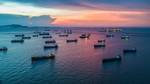


Malaysia's Prime Minister Anwar Ibrahim announced that he had secured permission from Iran to allow Malaysian vessels to pass through the Strait of Hormuz, marking a major breakthrough in efforts to ease tensions in the region. The move is seen as a significant step towards facilitating peace in the Middle East and comes after months of negotiations between regional countries. Malaysia's government has been under pressure to find alternative routes for its oil tankers due to the ongoing blockade at the Strait of Hormuz.
The decision by Iran to grant Malaysian vessels safe passage through the strait is seen as a major concession, given the country's long-standing concerns about security guarantees. Anwar Ibrahim expressed his gratitude towards Iran's president for allowing the passage of Malaysian ships, highlighting the importance of regional cooperation in addressing global challenges. The move is expected to have far-reaching implications for the energy sector and global trade.
Malaysia's government has been working closely with regional countries to find alternative routes for its oil tankers, which were previously blocked from passing through the Strait of Hormuz due to tensions with Iran. The country's efforts to manage the situation are seen as a testament to its commitment to finding solutions that benefit all parties involved. By weakening the impact of supply disruptions, Malaysia is taking proactive steps to mitigate the effects of the blockade on its economy.
The easing of restrictions on Malaysian vessels marks a significant shift towards regional cooperation and peace in the Middle East. The move is seen as a major step forward in efforts to address global challenges and promote stability in the region. As tensions between countries continue to ease, it is likely that other regional players will follow suit, paving the way for increased trade and economic growth.
Malaysia's government has been under pressure to find alternative routes for its oil tankers due to the ongoing blockade at the Strait of Hormuz. The country's reliance on oil imports makes it vulnerable to disruptions in global supply chains. By securing permission from Iran to pass through the strait, Malaysia is able to maintain its energy security and ensure a stable supply of oil to meet domestic demand.
The decision by Iran to grant Malaysian vessels safe passage through the strait is seen as a major concession, given the country's long-standing concerns about security guarantees. Anwar Ibrahim's comments highlighted the importance of regional cooperation in addressing global challenges, and it is likely that other countries will take note of this development. As tensions between countries continue to ease, it is likely that increased trade and economic growth will follow.
Malaysia's government has taken steps to manage the situation by reducing the monthly allocations of subsidized fuel. This move is seen as a proactive step to mitigate the effects of supply disruptions on its economy. By weakening the impact of supply disruptions, Malaysia is able to maintain oil price subsidies while also ensuring a stable supply of oil.
The easing of restrictions on Malaysian vessels marks a significant shift towards regional cooperation and peace in the Middle East. As the region continues to navigate complex global challenges, it is likely that increased cooperation and diplomacy will be key to addressing these issues. By working together, regional countries can promote stability, security, and economic growth.
The easing of restrictions on Malaysian vessels marks a significant shift towards regional cooperation and peace in the Middle East.