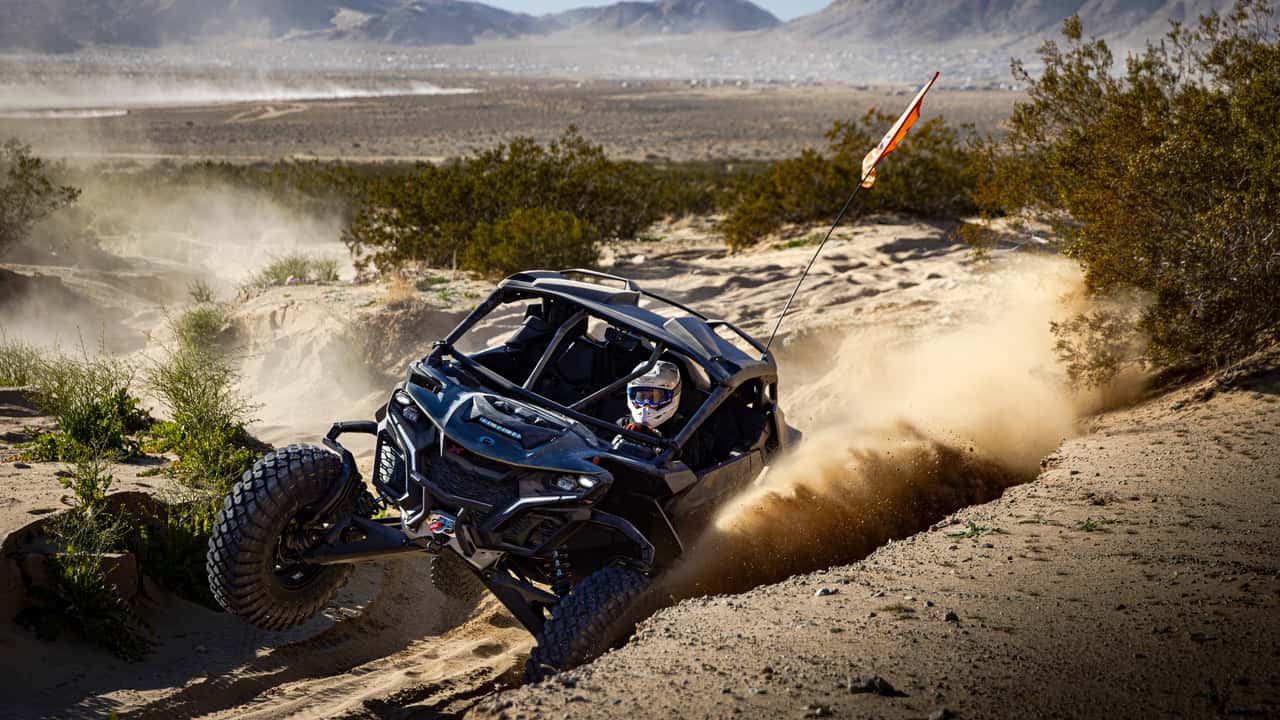
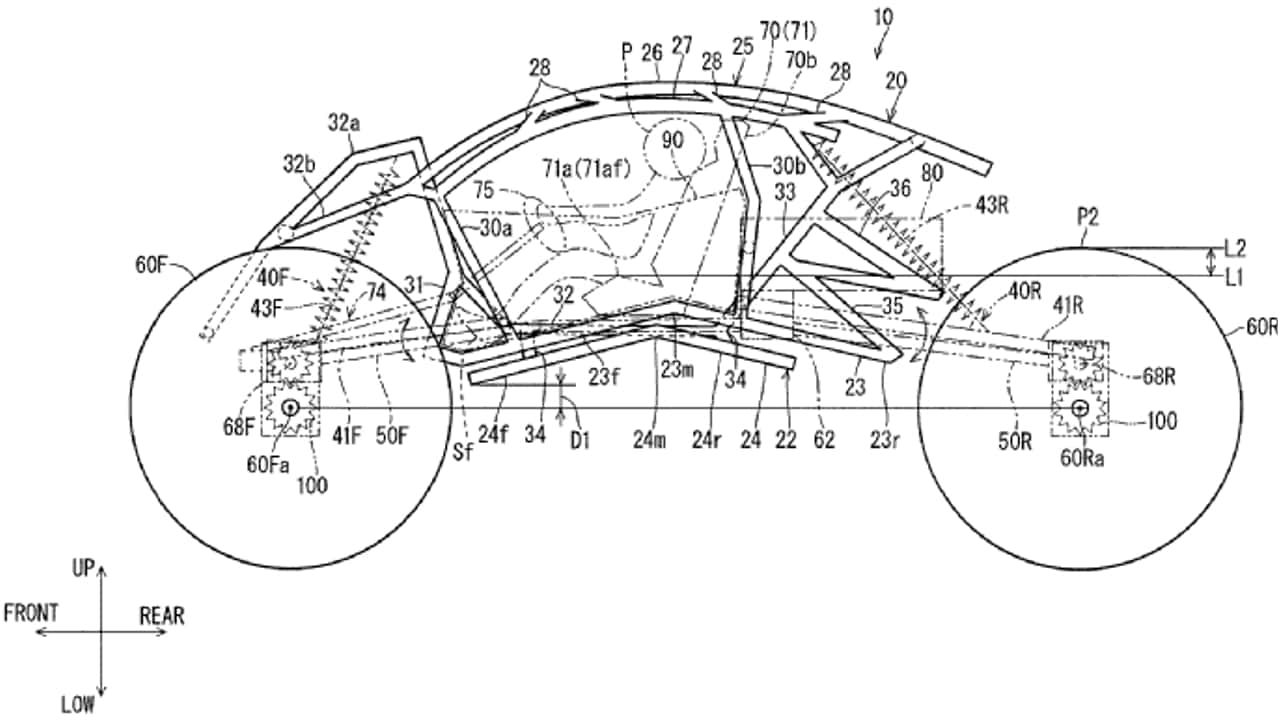
A recent patent application has sent shockwaves through the UTV community, hinting at the possibility of Kawasaki entering the rock bouncer market. The application describes a side-by-side vehicle with several unique features that set it apart from existing models. One of the most notable aspects is the presence of a supercharger, which would significantly boost the engine's power output. This could potentially make Kawasaki's entry into the market highly competitive.
The patent application reveals a rock bouncer-style design, complete with a raised suspension system and large tires. The vehicle appears to be designed for off-road use, with features such as a high ground clearance and aggressive skid plates. While the exact specifications are not yet known, it's clear that Kawasaki is taking a bold approach in designing this new model.
The presence of a supercharger on a rock bouncer-style UTV is unusual, but not unprecedented. Some manufacturers have experimented with forced induction on off-road vehicles in the past, but it's rare to see it implemented on a production model. This could be a game-changer for Kawasaki, allowing them to offer a unique selling point that sets their product apart from competitors.
Kawasaki has been expanding its UTV lineup in recent years, with the introduction of new models such as the Mule and the KLX. However, this latest patent application suggests that they may be looking to enter a new and highly competitive market. The rock bouncer segment is known for its ruggedness and off-road prowess, making it an attractive space for manufacturers looking to tap into the growing demand for extreme off-road vehicles.
The patent application does not provide any information on when or if Kawasaki plans to release this new model. However, industry insiders are speculating that it could be a 2024 or later release, given the complexity of the design and the need for testing and validation. Regardless of the timeline, one thing is clear: Kawasaki's entry into the rock bouncer market has the potential to shake up the industry.
The implications of this patent application extend beyond Kawasaki itself, with potential effects on other manufacturers in the UTV sector. If successful, a supercharged rock bouncer-style UTV could become a benchmark for off-road performance, forcing competitors to rethink their designs and strategies. This could lead to a wave of innovation in the industry, as manufacturers strive to keep pace with Kawasaki's bold new product.
Furthermore, this patent application highlights the growing importance of the UTV market, which is expected to continue its upward trajectory in the coming years. As more consumers turn to off-road recreation and adventure activities, manufacturers are responding by developing increasingly capable and feature-rich vehicles. The rock bouncer segment is at the forefront of this trend, with Kawasaki's potential entry into the market poised to further accelerate innovation and competition.
Ultimately, the success or failure of Kawasaki's new project will depend on a variety of factors, including its design, engineering, and marketing efforts. However, one thing is clear: if executed correctly, this supercharged rock bouncer-style UTV has the potential to be a game-changer for Kawasaki and the entire industry.
As the automotive world continues to evolve, it's essential to stay informed about emerging trends and technologies. The patent application from Kawasaki serves as a reminder of the exciting developments happening in the UTV sector, and the potential impact that this new product could have on the market.