
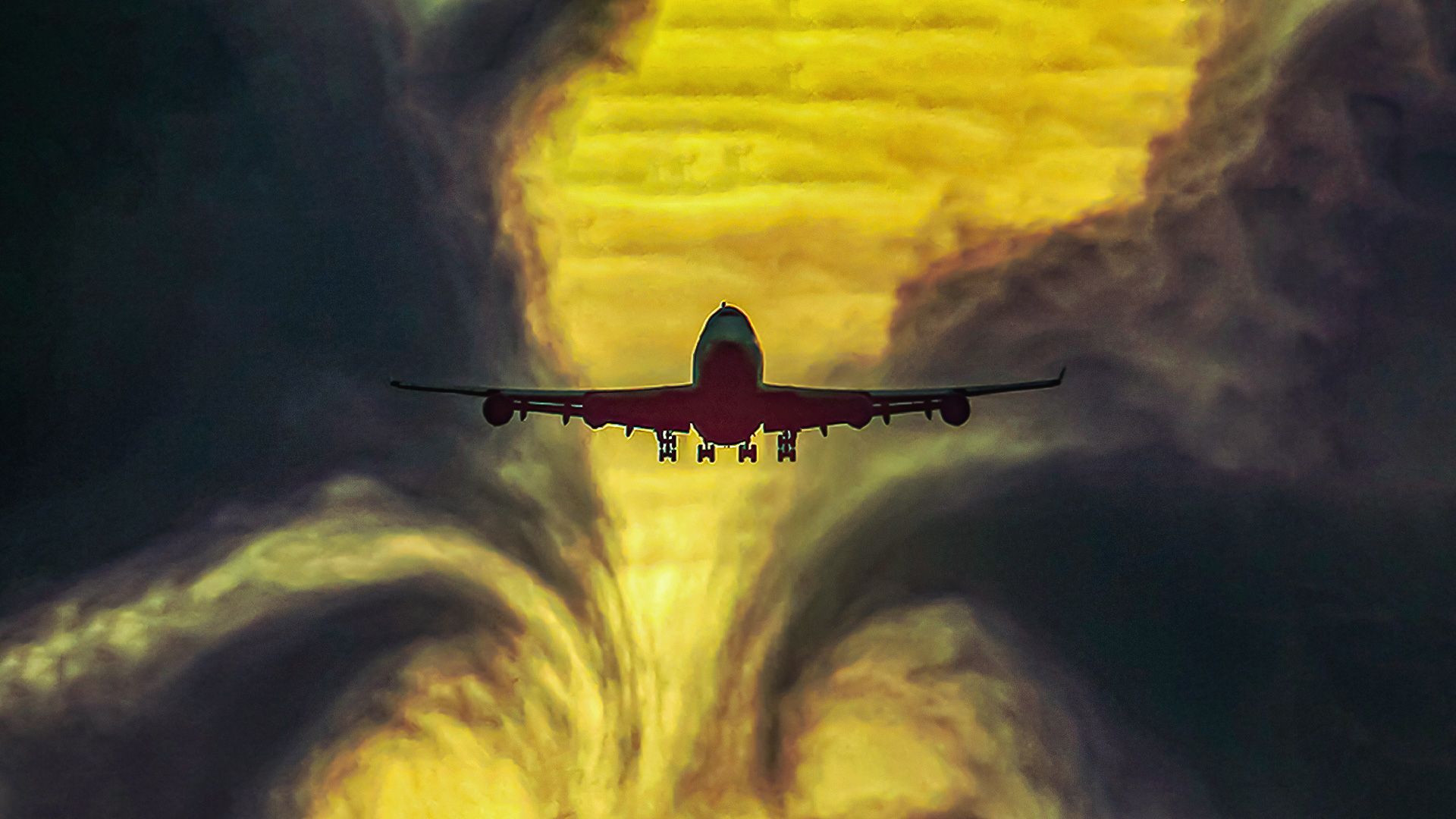
Turbulence is one of the most misunderstood aspects of flying, with many passengers viewing it as a dramatic and potentially hazardous experience. However, for most commercial airliners, turbulence is primarily a comfort and injury issue rather than a legitimate risk to the aircraft's structural integrity. Modern aircraft are designed to withstand loads far beyond what routine turbulence creates, which explains why pilots generally prioritize avoiding turbulence for comfort, cabin safety, and workload management purposes.
Despite this, it is essential to acknowledge that turbulence can pose a significant risk to passengers, particularly when they are standing, moving about, or unbuckled. The Federal Aviation Administration has issued guidelines advising passengers to keep their seat belts fastened whenever seated, as wearing a seat belt significantly reduces the overall risk of serious injury.
The National Transportation Safety Board's 2021 review revealed that turbulence-related accidents were the most common type of Part 121 air-carrier accident between 2009 and 2018. While these incidents often resulted in serious injuries rather than damage to the aircraft, they highlight the importance of understanding turbulence as a distinct safety concern.
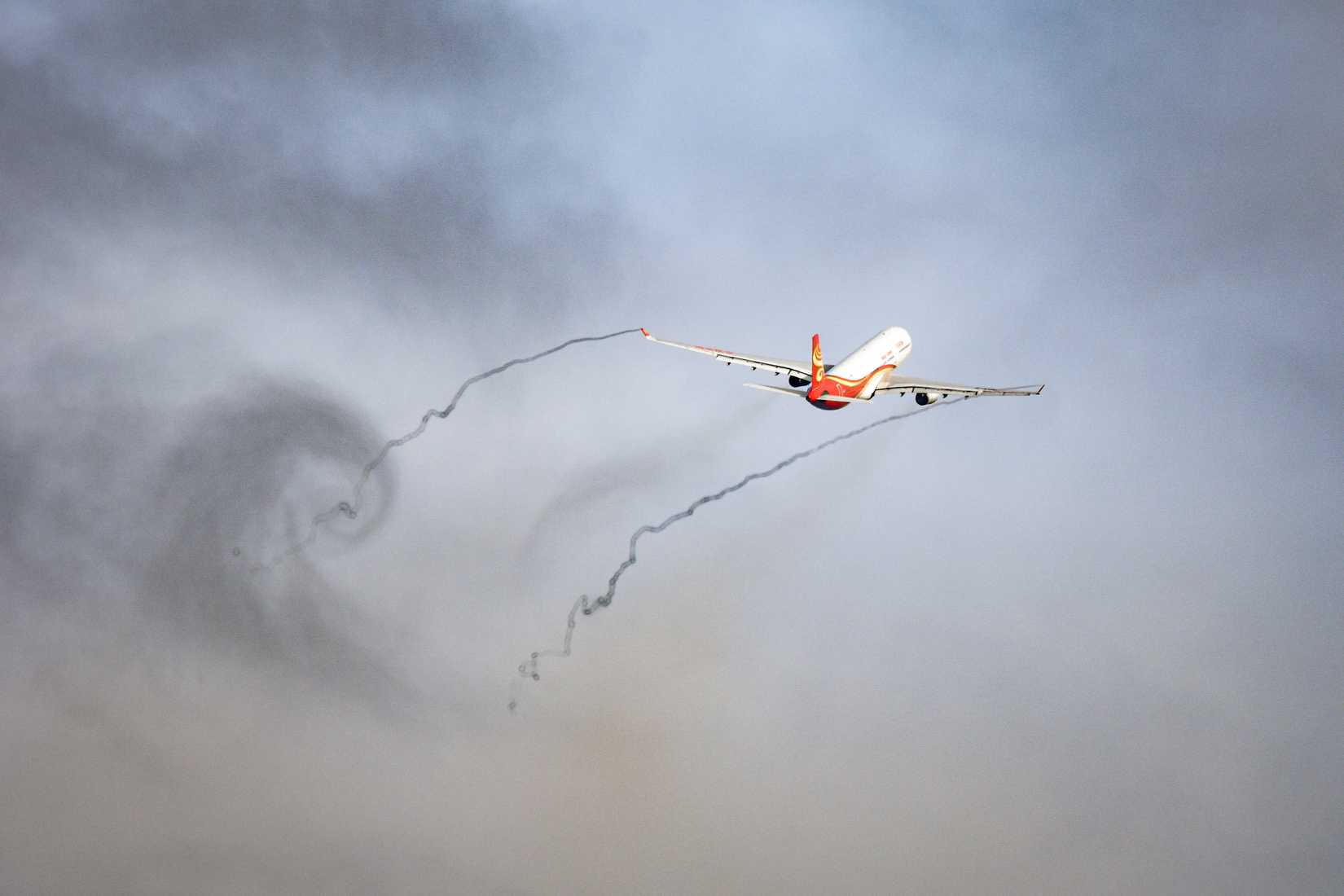
The key distinction lies in recognizing that turbulence is usually not hazardous to the aircraft itself but can be perilous for passengers inside the cabin. This nuanced understanding explains why airlines take turbulence so seriously and why the simplest safety rule – staying buckled – has such a significant impact on passenger safety.
At its core, turbulence is simply uneven or disturbed air that causes an airplane to experience bumps, sways, or brief rises and falls. It is not a mechanical issue with the aircraft itself but rather a natural phenomenon caused by factors like jet streams, storms, temperature changes, mountain waves, or strong winds shifting direction and speed.
Turbulence can occur in clear skies, making it essential for passengers to understand that a smooth-looking day outside does not always translate to a smooth ride. Pilots use various tools, including weather radar and reports from other aircraft, to navigate around the roughest areas whenever possible.
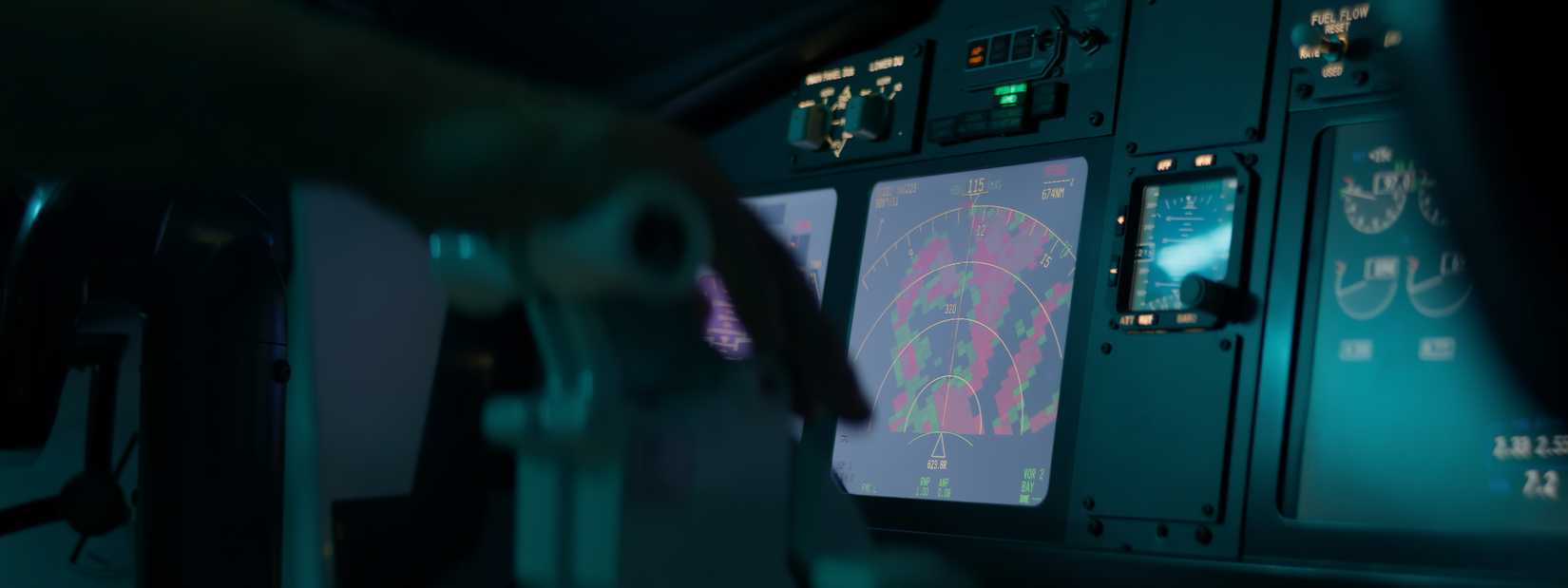
The primary safety concern is not the aircraft itself but rather people being thrown around inside the cabin. Airlines emphasize the importance of keeping seat belts fastened even when the seat belt sign is off, as this simple rule can significantly reduce the risk of injury during turbulence.
In conclusion, while turbulence may not pose a significant threat to aircraft themselves, its impact on passengers can be severe. By recognizing the distinction between turbulence's effects on aircraft and passengers, we can better appreciate the importance of prioritizing passenger safety and adhering to simple yet effective safety guidelines.
Ultimately, understanding turbulence is crucial for both pilots and passengers. By acknowledging the nuances surrounding this phenomenon, we can work towards creating a safer and more comfortable flying experience for all.
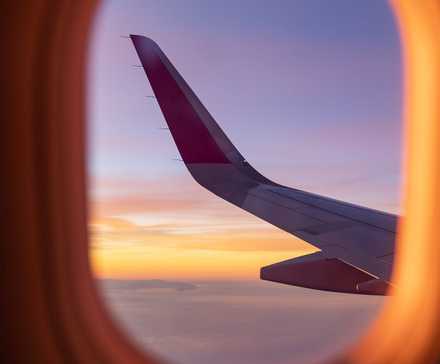
While turbulence itself may not be a significant threat to aircraft, its impact on passengers can be severe.