


Hapag-Lloyd CEO Rolf Habben Jansen revealed that the U.S.-led war in Iran is costing his company $40 million to $50 million per week. This figure primarily includes increased bunker fuel costs, but also significant rises in insurance premiums and storage fees. The impact of these rising costs has led to a substantial decline in operating profits for Hapag-Lloyd.
The German-based shipping giant has introduced contingency charges to help recover these expenses, although any potential returns are typically delayed. This move is an effort to mitigate the financial strain caused by the conflict, which has disrupted global fuel supplies and led to increased costs for bunker fuel, insurance, and storage.
Hapag-Lloyd's CEO emphasized that the company is closely monitoring the situation and assessing the potential risks of a shortage in fuel supplies. As Asia is not one of the primary bunkering locations for Hapag-Lloyd, the company is taking steps to ensure its continued operations and minimize any disruptions.
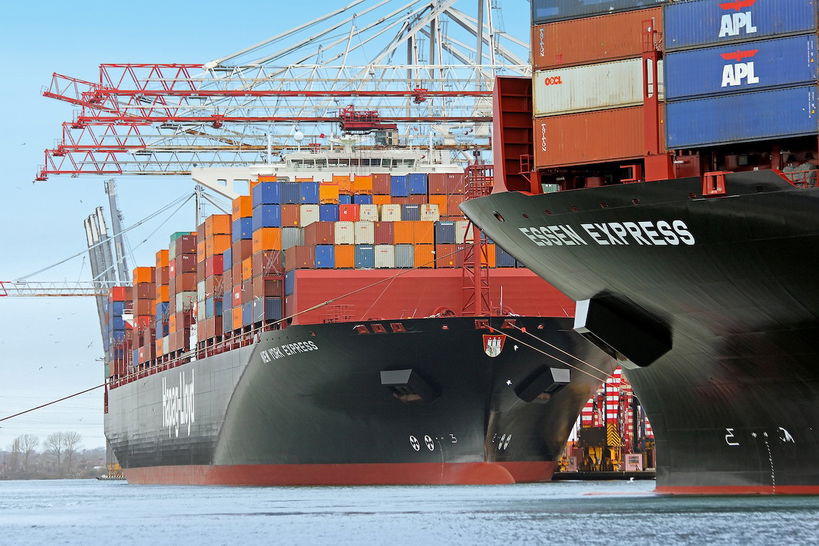
The conflict has also forced Hapag-Lloyd to suspend services through key routes such as the Strait of Hormuz and the Red Sea-Suez Canal. The company's six ships are currently stuck in the Persian Gulf, with a total capacity of 25,000 twenty-foot equivalent units. Despite this, Hapag-Lloyd is still able to call ports in Oman and Saudi Arabia.
The impact on Hapag-Lloyd's operations is significant, with around 50% of its contract freight to the region exposed to disruptions. The company's CEO has expressed concerns about the potential for the Red Sea to remain closed for an extended period, which could have far-reaching implications for global trade and supply chains.
Hapag-Lloyd's decision to suspend services through these key routes is a reflection of the ongoing uncertainty caused by the conflict in Iran. The situation highlights the need for greater cooperation and understanding between shipping companies, governments, and other stakeholders to mitigate the effects of such disruptions.
The conflict in Iran has significant implications for the global shipping industry, with Hapag-Lloyd's experience serving as a cautionary tale. As the situation continues to evolve, it is essential that companies like Hapag-Lloyd remain vigilant and proactive in addressing the challenges posed by this ongoing crisis.
In addition to the financial costs, the conflict also poses significant risks to global trade and supply chains. The ability of shipping companies to operate safely and efficiently is critical to maintaining the flow of goods around the world.
As the situation continues to unfold, it is essential that all stakeholders work together to find solutions to these challenges. By doing so, we can minimize the impact of disruptions and ensure that global trade and supply chains continue to function smoothly.
The ongoing conflict in Iran is having a significant impact on the global shipping industry, with companies like Hapag-Lloyd facing substantial losses due to rising fuel and insurance costs.