


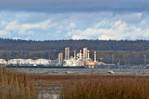
Russian oil producers are warning buyers that they may declare force majeure on supplies from major Baltic Sea ports, citing ongoing Ukrainian attacks on Russian energy infrastructure. The move would allow them to suspend or cancel shipments due to circumstances beyond their control. This development comes as Ukraine presses ahead with its military operations against Russia's energy facilities. As a result, oil loadings at the port in Ust-Luga have been halted since Wednesday due to the raids, and an official suspension notice from the port authority has not provided a timeline for resumption of exports.
The attacks on Russian ports have already caused significant disruptions to global oil supplies, with estimates suggesting that at least 40% of Russia's oil export capacity is currently at a standstill. This disruption could lead to increased prices and reduced availability of crude oil in the market. The situation remains fluid, with some sources indicating that oil loadings from the Ust-Luga terminal may not resume until mid-April.
Ukrainian drones targeted the port in Ust-Luga on Friday, exacerbating the ongoing crisis. The fire caused by a previous strike on Wednesday is still raging, and the situation remains precarious. The Ukrainian President has stated that Kyiv is using long-range strikes to maintain pressure on Russia after international oil sanctions were eased due to global supply disruptions.
The easing of international oil sanctions on Moscow was intended to alleviate some of the pressure on Russia's energy sector, but it appears to have had little impact on the situation. Instead, Ukraine has continued its military operations against Russian energy facilities, including the recent attacks on the Ust-Luga port. This escalation has raised concerns about the stability of global oil supplies and the potential for further disruptions.
The Primorsk port, another major Russian Baltic Sea port, was also damaged during the recent attacks, although it partially resumed oil and fuel loadings on Thursday. However, the situation remains uncertain, and it is unclear when or if the port will be fully operational again. The governor of the north-western Leningrad region has stated that the region has been facing 'unprecedented' drone attacks since March 22.
The impact of these disruptions on global energy markets cannot be overstated. With at least 40% of Russia's oil export capacity currently at a standstill, the situation poses a significant challenge for energy companies and consumers alike. The potential for further disruptions to oil supplies could lead to increased prices and reduced availability of crude oil in the market.
The situation highlights the ongoing tensions between Russia and Ukraine, which have been escalating since March 22. The use of long-range strikes by Ukrainian forces has raised concerns about the stability of regional energy markets and the potential for further conflict. As the situation remains fluid, it is essential to monitor developments closely and assess the potential impact on global oil supplies.
The resumption of exports from the Ust-Luga terminal is crucial for maintaining stability in global oil supplies. However, with no clear timeline provided by the port authority, it remains uncertain when or if the port will be fully operational again. The situation serves as a reminder of the complex and interconnected nature of global energy markets, where disruptions to one region can have far-reaching consequences elsewhere.
The disruption in Russian oil exports due to Ukrainian drone attacks poses a significant challenge for global energy markets and could lead to increased prices.


