
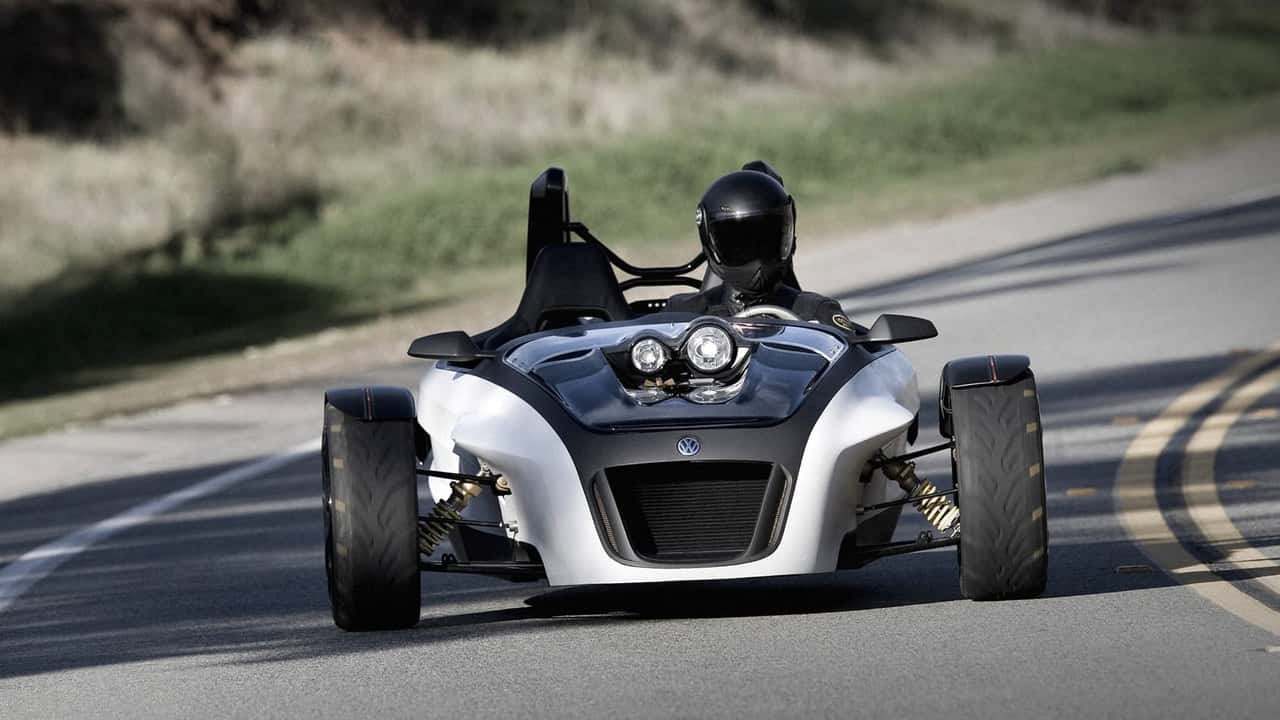
Volkswagen had been exploring the possibility of entering the three-wheeler market in the early 2000s, with the aim of competing with Morgan, Vanderhall, and Polaris. The German automaker was looking to expand its product lineup and tap into the growing demand for alternative vehicles. However, despite the initial enthusiasm, VW ultimately decided not to proceed with the project.
The GX3 concept, unveiled in 2002, was a significant step towards Volkswagen's entry into the three-wheeler market. The vehicle was designed to be an eco-friendly, fuel-efficient option that would appeal to environmentally conscious consumers. Although the GX3 showed promise, VW ultimately decided not to move forward with production.
The decision not to produce the GX3 can be attributed to various factors, including regulatory hurdles and concerns over safety. The three-wheeler market is heavily regulated, and VW may have faced significant challenges in meeting these requirements. Additionally, safety standards for three-wheelers are often more stringent than those for traditional vehicles, which could have added complexity and cost to the project.
The absence of a three-wheeler from Volkswagen's lineup has left a void in the market, allowing established players like Morgan, Vanderhall, and Polaris to maintain their dominance. However, this development also highlights the challenges faced by automakers when entering new markets or product segments. VW's decision not to pursue the GX3 concept serves as a reminder of the importance of thorough market research and regulatory compliance.
The three-wheeler market has evolved significantly since the early 2000s, with advancements in technology and design leading to more efficient and capable vehicles. Although Volkswagen did not enter this space, other manufacturers have continued to innovate and expand their offerings. The absence of VW's GX3 concept is a testament to the dynamic nature of the industry.
The decision to abandon the three-wheeler project may also be seen as a strategic move by Volkswagen, allowing the company to focus on more established markets and product lines. By not pursuing the GX3, VW may have avoided potential pitfalls and maintained its reputation for quality and reliability.
Despite the challenges faced by Volkswagen in entering the three-wheeler market, the concept of eco-friendly vehicles remains an important consideration for consumers. The GX3's design and features were intended to appeal to environmentally conscious buyers, highlighting the growing demand for sustainable transportation options.
The absence of VW's GX3 concept from production has left a gap in the market, but it also underscores the importance of innovation and adaptability in the automotive industry. As manufacturers continue to evolve and respond to changing consumer demands, we can expect to see new entrants and established players alike making adjustments to their product lines.
The three-wheeler market continues to be an interesting and dynamic space, with various companies vying for attention and market share. Volkswagen's decision not to pursue the GX3 concept serves as a reminder of the complexities and challenges involved in entering this segment, but also highlights the potential opportunities for innovation and growth.
The three-wheeler market has seen significant competition over the years, but VW's foray into this space was a notable attempt to challenge established players.