
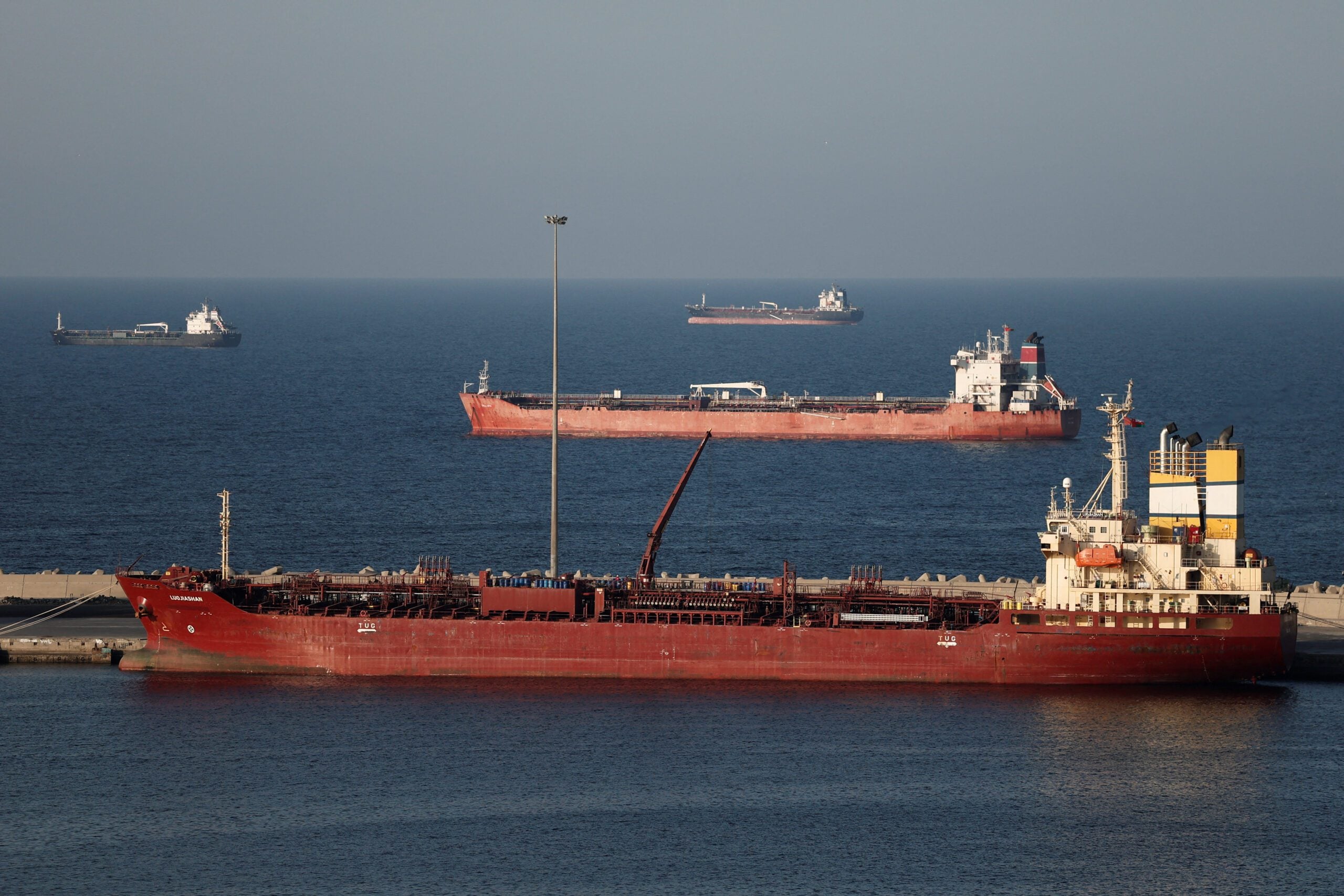
A fuel oil tanker chartered by QatarEnergy has been struck by a missile in waters off Qatar, marking a sharp escalation in maritime attacks and pushing the threat envelope closer to one of the world’s most critical LNG export hubs. The incident occurred on April 1, with no crew members injured and no pollution reported.
The vessel, Aqua 1, was operating in northern Qatari territorial waters when it was hit by two projectiles approximately 17 nautical miles north of Ras Laffan. One impact caused a fire that has since been extinguished, while a second projectile remains unexploded in the vessel’s engine room.
QatarEnergy confirmed the incident and stated that repairs could take years to complete, with roughly 17% of its export capacity disrupted as a result. The attack is part of a broader missile attack, with three cruise missiles launched toward Qatar from Iran.

Two of the missiles were successfully intercepted by Qatari air defenses, while a third struck the tanker in territorial waters. Authorities said the vessel’s 21 crew members were safely evacuated with no casualties. This incident follows closely on Monday’s drone attack on the Kuwaiti-flagged VLCC Al Salmi off Dubai.
The strike highlights the expanding geographic scope of risk, from anchorages off the UAE to waters surrounding Qatar’s LNG export infrastructure. The Aqua 1 is a medium-range tanker of roughly 48,000 deadweight tons, significantly smaller than the VLCC targeted off Dubai earlier this week.
The renewed attacks come as shipping through the Strait of Hormuz remains at historically depressed levels. Data from Lloyd’s List Intelligence shows daily cargo vessel transits collapsing from roughly 120–140 ships per day in early February to near-zero levels in early March following the escalation. Limited movements have resumed, but volumes remain a fraction of normal.
Tanker-specific flows paint an equally stark picture. According to ship-tracking analysts at TankerTrackers, just 84 tankers departed the Middle East via the Strait of Hormuz during the entire month of March—an average of fewer than three per day. This trend underscores the significant impact on global energy supply chains.
The UK Maritime Trade Operations (UKMTO) has recorded 25 incidents affecting vessels across the Persian Gulf, Strait of Hormuz, and surrounding areas. These incidents highlight the need for increased security measures to protect critical infrastructure in the region.
As the situation continues to unfold, it is essential to monitor the situation closely and assess the long-term implications on global energy markets and maritime trade.
The recent surge in maritime attacks highlights the vulnerability of critical infrastructure in the region and underscores the need for increased security measures.