


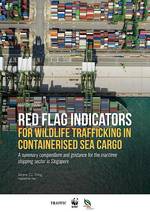
The city-state of Singapore has taken a bold step in its fight against wildlife trafficking by releasing a tailored guide for its maritime sector. The Red Flag Indicators for Wildlife Trafficking in Containerised Sea Cargo: A Summary Compendium and Guidance is the first of its kind in Asia, providing industry members with the tools they need to spot and stop those exploiting shipping systems. This comprehensive resource is the result of collaboration between several organizations, including TRAFFIC Southeast Asia, WWF, and the National Parks Board, making it a testament to Singapore's commitment to tackling this global issue.
The guide covers the country's regulatory framework for transporting wildlife, as well as the tactics used by traffickers to circumvent these systems. It also includes recommendations, best practices, tools, and reference materials to help industry members stay ahead of the game. This is a significant development in Singapore's efforts to protect its marine ecosystem and prevent the exploitation of its shipping systems.
Singapore has already made a name for itself as a leader in combating wildlife trafficking, with record-breaking seizures of contraband over the past decade. The country's robust border controls and enforcement efforts have been instrumental in bringing those involved to justice, and this new guide is just another example of its commitment to protecting its environment.
The World Shipping Council has welcomed the launch of this compendium, recognizing the critical role that the maritime industry plays in preventing wildlife trafficking. The organization has long supported measures to prevent the movement of illegal wildlife products by sea, including public-private collaboration and screening tools.
Joe Kramek, President and CEO of the World Shipping Council, praised Singapore's efforts, stating that 'the maritime industry has a critical role to play' in preventing wildlife trafficking. He also commended Singapore's zero-tolerance approach and strong public-private cooperation in tackling this issue.
The launch of this compendium marks a significant step towards strengthening the maritime industry's efforts to prevent wildlife trafficking. It provides a valuable resource for industry members, who can now access practical guidance on how to identify and stop traffickers. This is a major development in the fight against wildlife trafficking at sea.
Singapore's proactive approach serves as a model for other countries to follow. By taking a proactive stance on this issue, Singapore is demonstrating its commitment to protecting its environment and preventing the exploitation of its shipping systems. This can have a ripple effect, inspiring other nations to take similar steps.
The compendium is also notable for its country-specific case examples, which are based on globally acknowledged red flag indicators. This approach ensures that industry members receive guidance tailored to their specific needs, making it easier for them to identify and stop traffickers.
As the fight against wildlife trafficking continues, resources like this compendium will be essential in supporting industry members and governments alike. By providing a practical guide for identifying and stopping traffickers, Singapore is taking a major step towards protecting its marine ecosystem and preventing the exploitation of its shipping systems.
The launch of this compendium marks a significant step towards strengthening the maritime industry's efforts to prevent wildlife trafficking, and Singapore's proactive approach serves as a model for other countries to follow.