


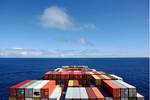
The World Shipping Council (WSC) has published its latest update to the WSC Dual-Fuel Fleet Dashboard, tracking the global liner shipping industry's investment in new ships capable of running on renewable and lower-emission fuels. As of December 2025, the number of dual-fuel container ships and vehicle carriers on the water has reached 400, up from 218 in 2024.
The growth in the fleet is a significant step forward for the industry as it continues to transition towards cleaner and more sustainable shipping practices. With the increasing demand for efficient and environmentally friendly transportation solutions, the adoption of dual-fuel technology has become an essential component of the liner shipping industry's efforts to reduce its carbon footprint.
The WSC Dual-Fuel Fleet Dashboard provides a comprehensive overview of the global fleet, allowing stakeholders to monitor progress and identify areas for improvement. The dashboard also highlights the significant investment being made by the industry in new vessels capable of running on renewable and lower-emission fuels.

With over $150 billion of investment, the liner shipping industry is committed to reducing its environmental impact while maintaining its competitiveness in the global market. The growth of the dual-fuel fleet is a testament to the industry's commitment to innovation and sustainability.
As the industry continues to evolve, it will be interesting to see how this trend shapes the future of shipping practices.
The rapid growth of the dual-fuel fleet is a significant indicator of the liner shipping industry's efforts to reduce its environmental impact. With more vessels on order and in operation, the industry is well-positioned to meet its sustainability targets and remain competitive in the global market.


