

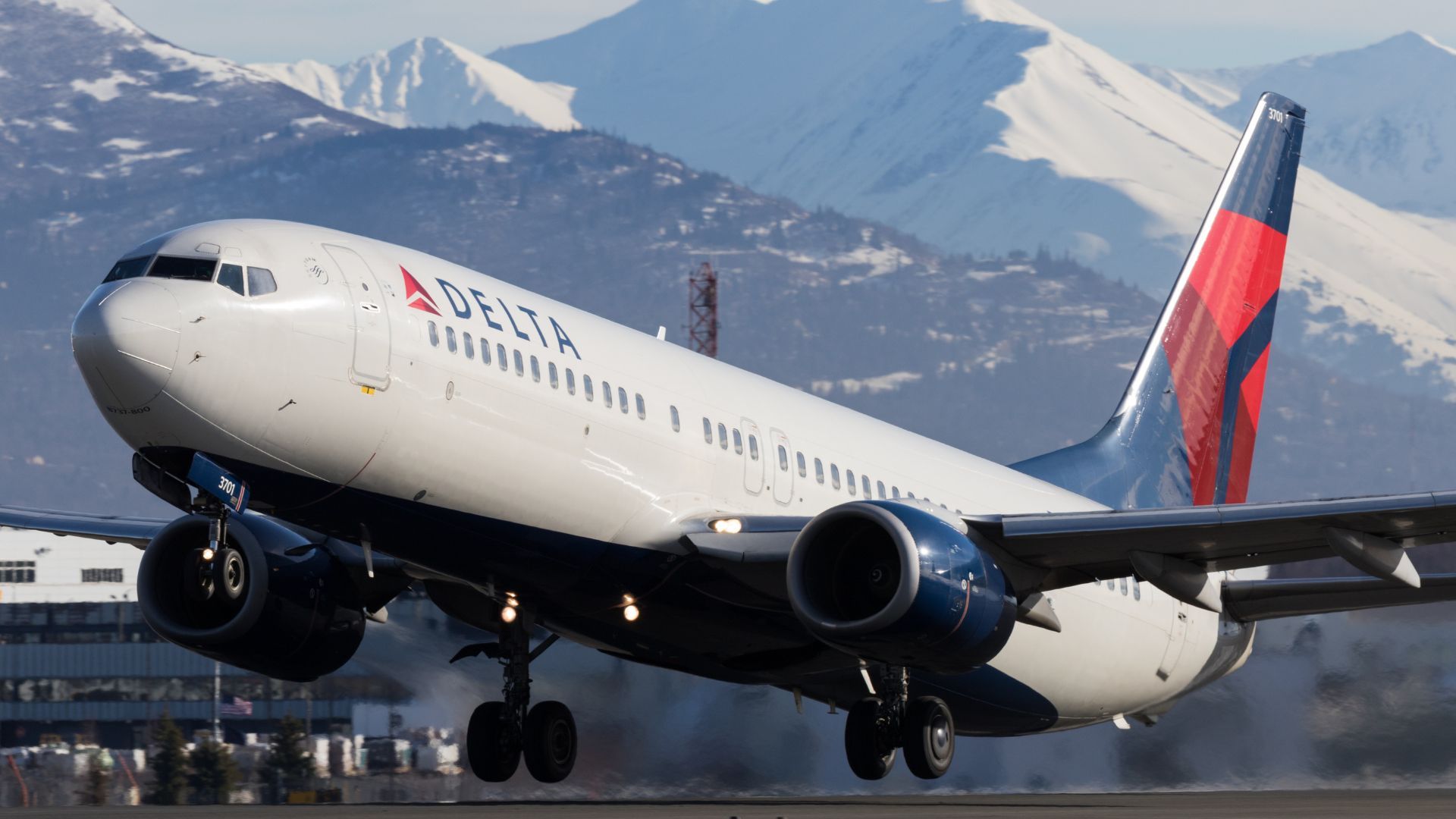
The Delta Air Lines Los Angeles to Anchorage route, which was set to return for summer seasonal service, will not operate as previously expected. The airline has cited high oil prices and cost pressures as the reason for the cancellation. This decision marks a notable shift in the airline's Alaska strategy, with the carrier opting for more profitable routes within its network.
The move comes amid heightened competition in Alaska, particularly between Delta and Alaska Airlines. While Delta has recently expanded in the region, this latest decision highlights a more cautious and cost-conscious approach. Fuel prices remain one of the largest expenses for airlines, often determining whether seasonal routes are viable.
Delta's Los Angeles to Anchorage route was supposed to operate from May 22 to September 9, but rising fuel costs have made it less economically sustainable. The route connected Southern California with Alaska's largest city during peak travel months and offered around 50-60 flights per month in June, July, and August.

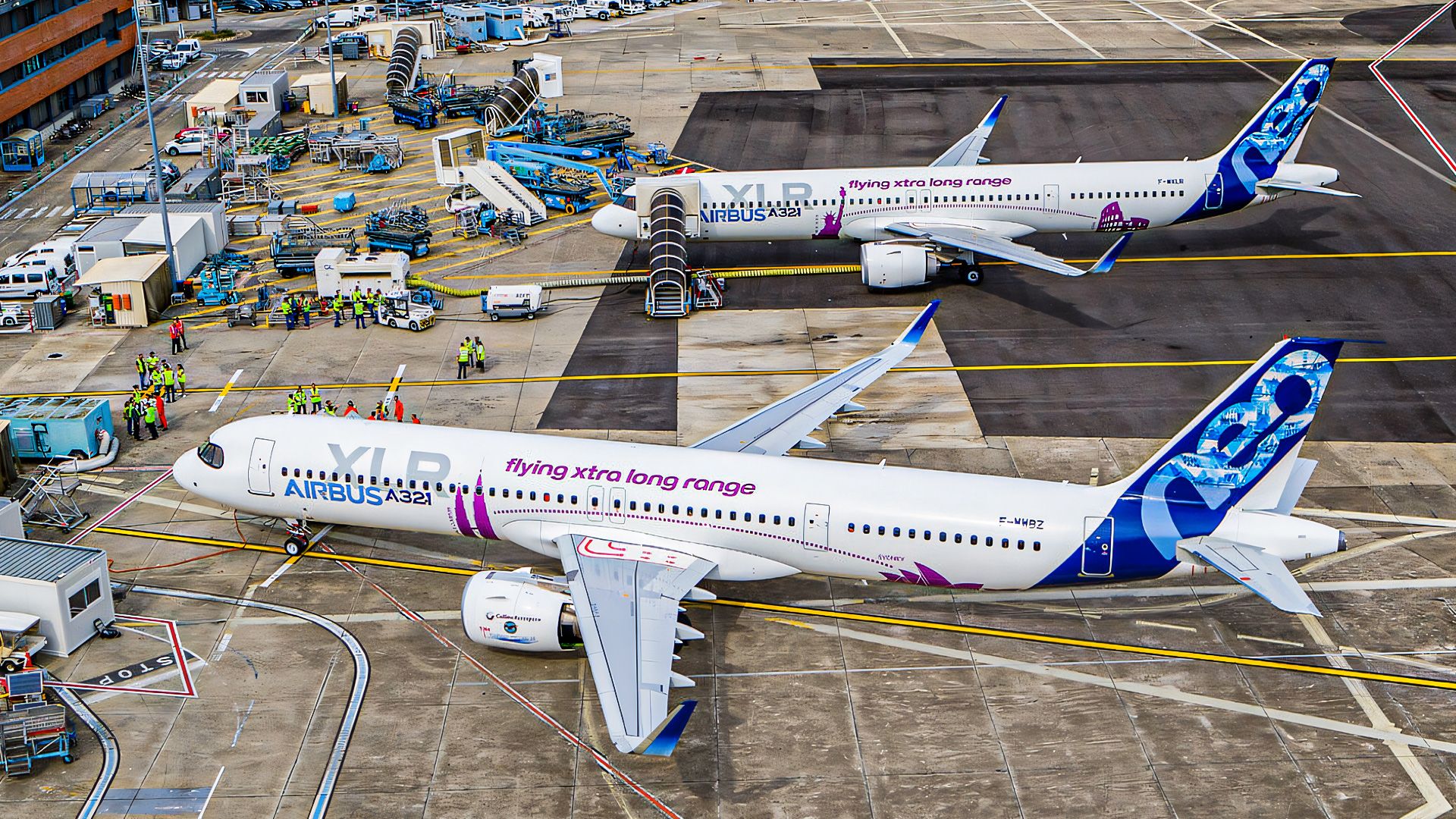
Cirium data shows the route operated in 2025 from May through September, on Airbus A321neo and Boeing 737-900 airframes. The service provided over 20 million ASMs across those months, but the increasing fuel costs have made it less attractive to operate.
The cancellation of the service allows Delta to redeploy aircraft to markets with stronger margins. This decision also underscores how quickly airlines can adjust seasonal offerings based on economic conditions, highlighting the need for flexibility in route planning.
For travelers, the cancellation reduces nonstop options between Southern California and Alaska, potentially leading to higher fares or longer travel times via connecting flights. Competitors, including Alaska Airlines, may absorb some of the displaced demand.
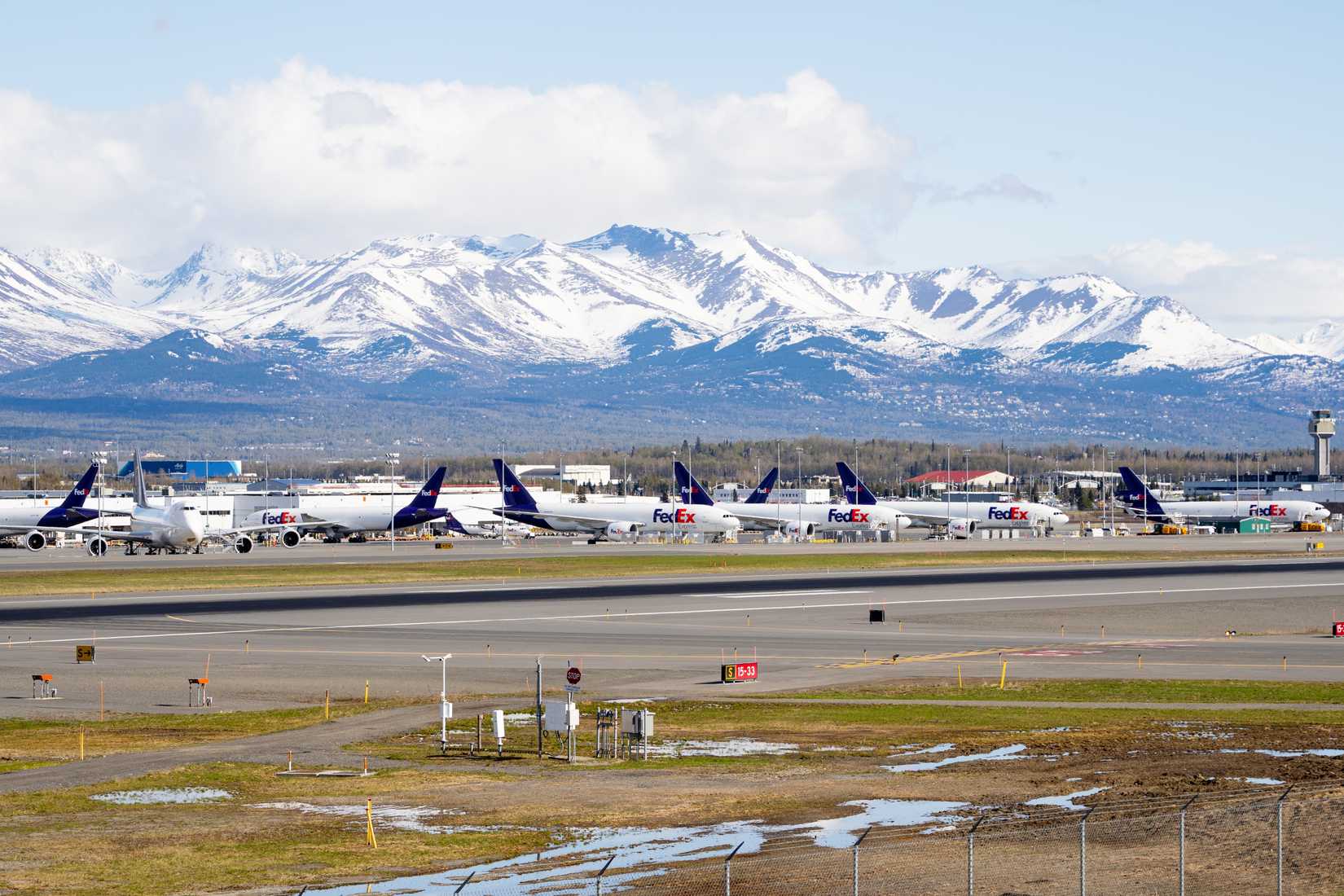
The move also highlights the importance of fuel prices in determining airline profitability. As fuel costs continue to impact network planning, airlines must carefully evaluate their route networks to ensure they remain economically viable.
Alaska Airlines, which dominates many Alaska routes, could benefit from Delta's withdrawal on this corridor. Its established network and brand loyalty give it an advantage in capturing passengers affected by the change.
The cancellation of seasonal routes due to high fuel costs is a reminder that airlines must be prepared to adapt their strategies in response to changing economic conditions. This decision will have implications for passengers, competitors, and the wider aviation industry.

The cancellation of seasonal routes due to high fuel costs highlights the delicate balance airlines must strike between expansion and profitability.