

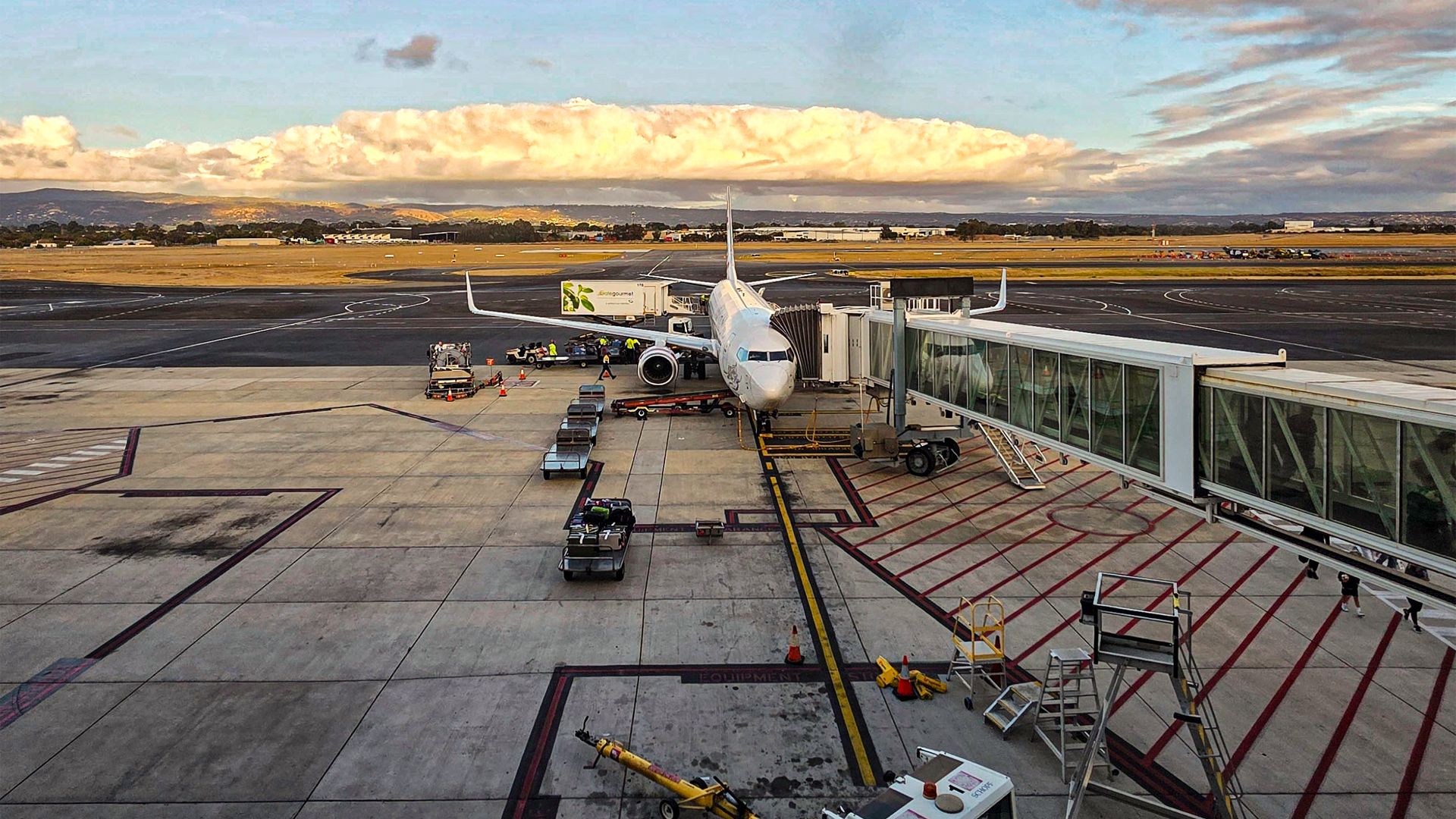
Before every flight, the primary concern is aircraft safety. Flight attendants are responsible for conducting thorough checks on all safety equipment and systems to ensure they are functioning properly. This includes checking the jumpseat, life vests, smoke hoods, fire gloves, and other critical safety gear. The crew must also verify that emergency lighting, fire detection systems, and oxygen bottles with masks attached are in working order.
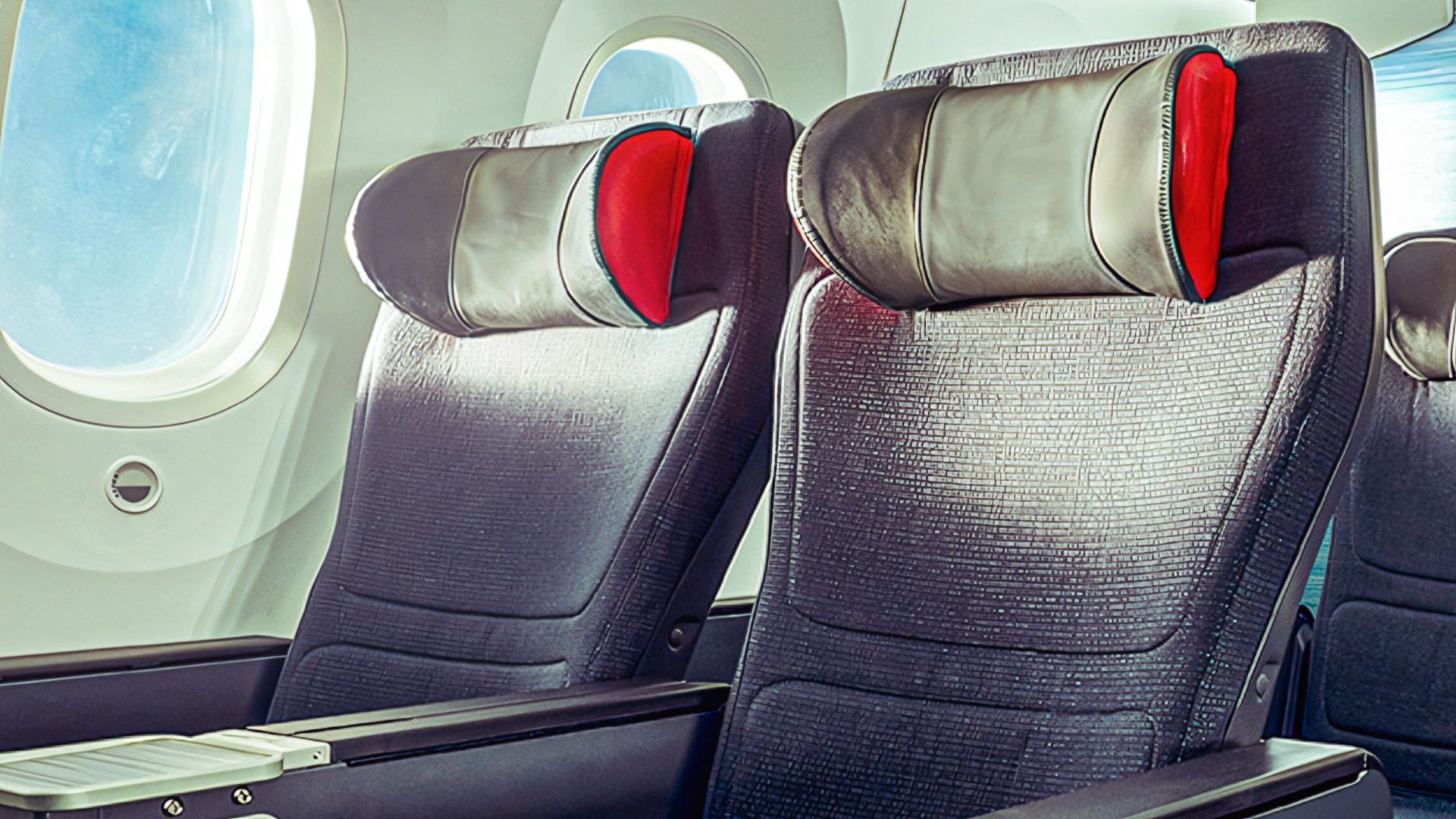
Furthermore, flight attendants perform security checks on the cabin, including seat pockets, overhead lockers, and lavatories. They must ensure that all compartments and stowage areas are secure and that fire suppression devices are functioning correctly. The galley and crew rest area also require meticulous attention to detail, with bar carts and duty-free carts being checked for proper locking and paperwork.
The entire safety and security process is overseen by the Senior Cabin Crew Member (SCCM), who reports back to the flight crew once all checks have been completed. This ensures that every aspect of aircraft safety has been thoroughly reviewed before boarding begins.
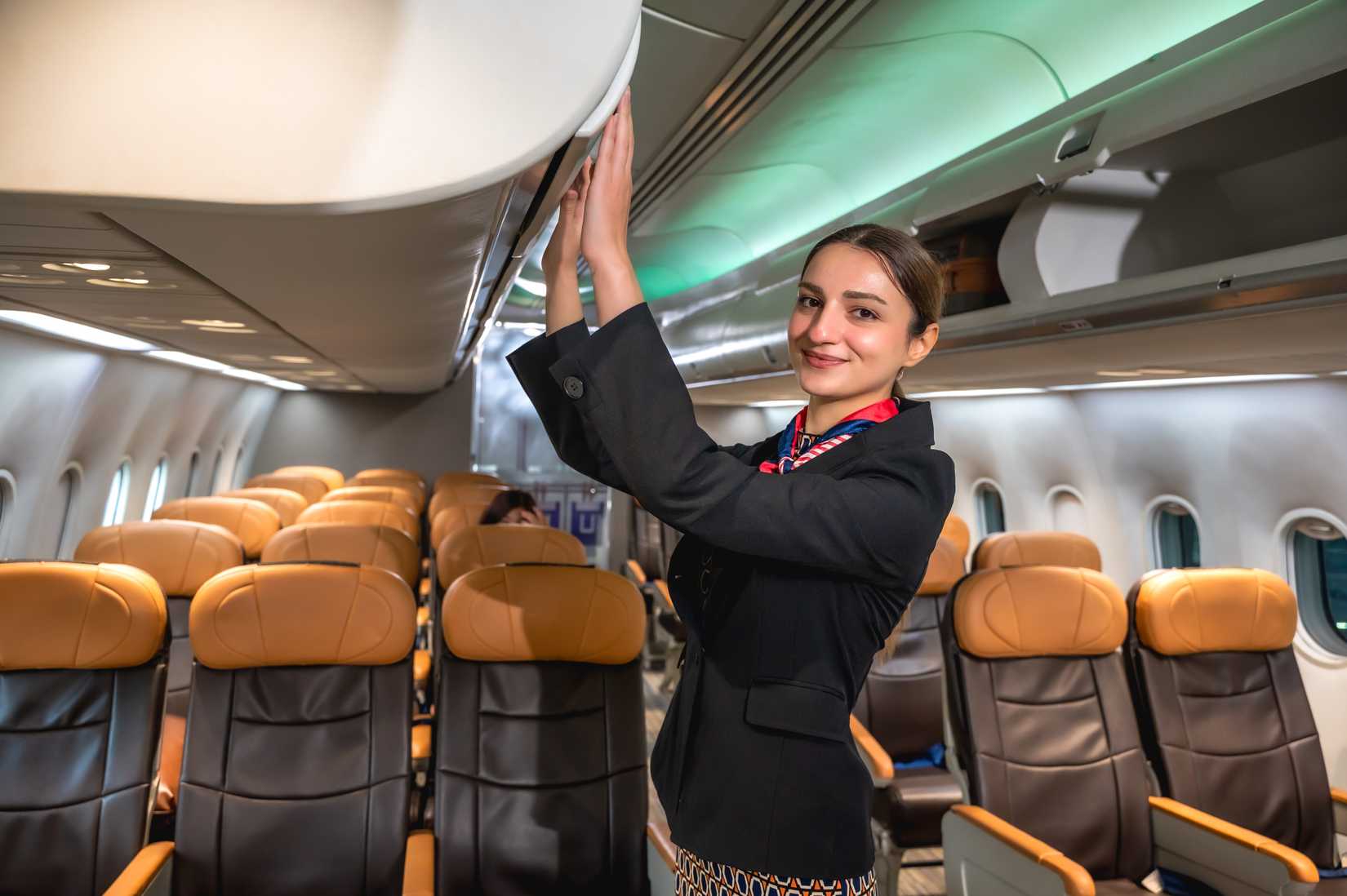
Additionally, some flights may require extra preparations, such as checking for unusual items or reporting any discrepancies in meal counts. The goal is always to ensure a safe and efficient flight, with every day presenting new challenges and opportunities for improvement.
The role of the flight attendant is multifaceted, combining both service and safety responsibilities. By prioritizing aircraft safety above all else, they play a vital part in protecting passengers, crew, and aircraft.
The emphasis on thoroughness and attention to detail cannot be overstated. Flight attendants must remain vigilant throughout the pre-flight process, identifying any potential issues or concerns before boarding commences.
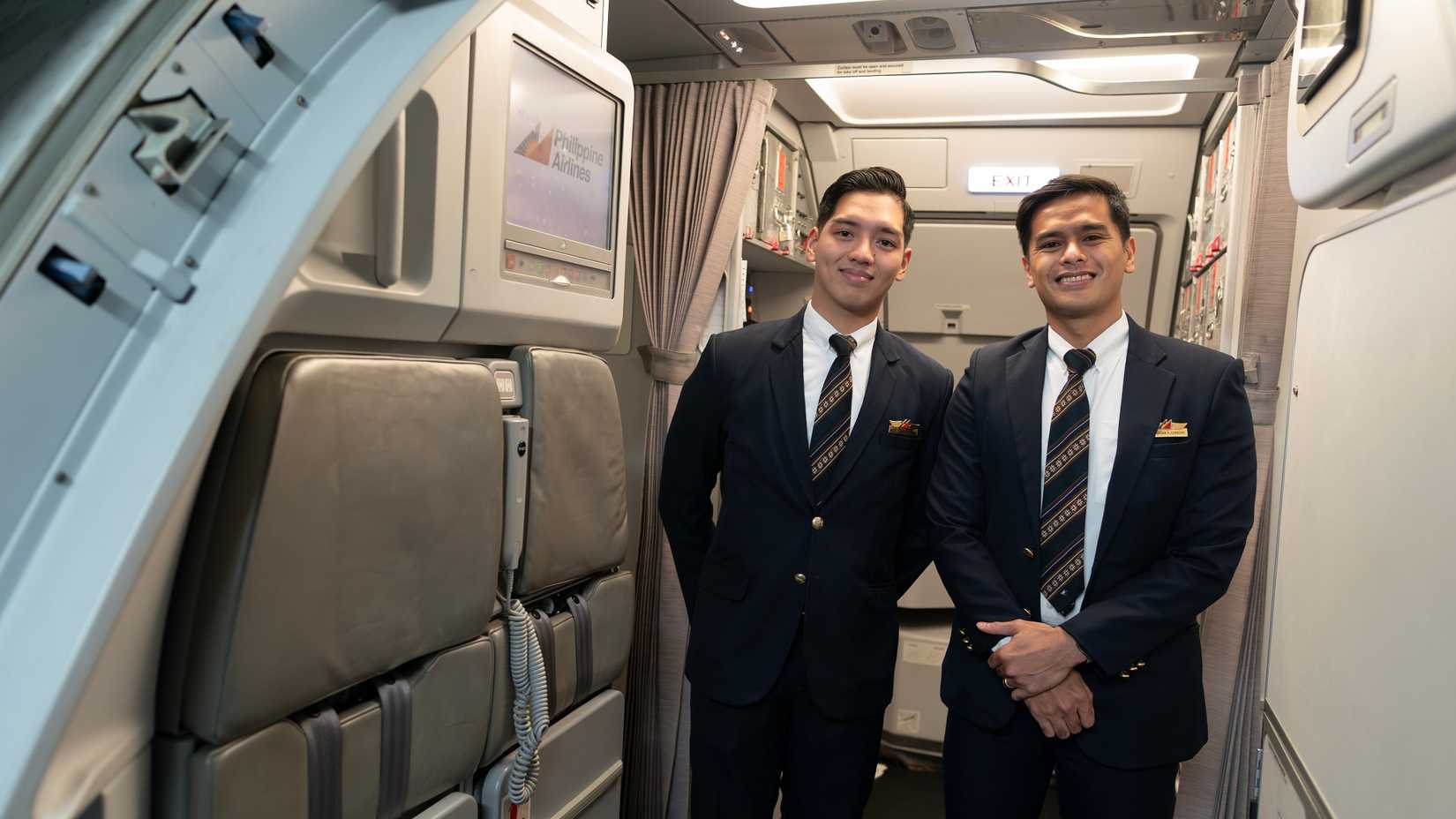
Ultimately, the success of these preparations relies on the dedication and expertise of flight attendants, who work tirelessly behind the scenes to ensure a safe and enjoyable journey for all on board.
The importance of pre-flight checks cannot be overstated. By taking the time to thoroughly inspect all safety equipment and systems, flight attendants can help prevent accidents and minimize risks.
As the aviation industry continues to evolve, it is essential that flight attendants remain at the forefront of safety protocols and procedures, staying up-to-date with the latest developments and best practices.
The attention to detail and commitment to aircraft safety demonstrated by flight attendants serve as a shining example of the critical role they play in maintaining public trust and confidence in air travel.
Flight attendants play a critical role in ensuring aircraft safety, requiring strict adherence to rules and procedures.