
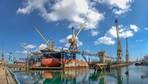
The European Commission is set to propose measures designed to ensure more vessels and other goods and services for the European Union's shipping sector are made in the bloc. The draft document says the Commission will encourage public authorities buying ships or equipment to select suppliers based on non-price factors such as sustainability and whether an item is made in the EU. This could boost EU manufacturing of ferries, research vessels, icebreakers and tugs, the document said.
In the private sector, demand for EU-manufactured vessels could be encouraged by providing ship owners with easier access to financing, in which the European Investment Bank could play a role. The EU executive is due to set out proposals on February 10 to enhance the bloc's shipbuilding and shipping sectors and the security and sustainability of its ports, part of an overall strategy to boost competitiveness. The plan has split EU countries, with some expressing concerns about the impact on trade and others seeing it as a way to promote domestic industries.
The Commission aims to reduce dependence on foreign-made vessels and equipment, which currently account for around 70% of the EU's maritime fleet. By promoting local production, the EU hopes to create jobs and stimulate economic growth in regions that have historically been less competitive. The 'Made in EU' proposals will be presented next week, a week before the EU executive announces a broader push to prioritize locally manufactured products.
This move is seen as a response to growing concerns about the environmental impact of large ships and the need for more sustainable maritime practices. As the shipping sector plays an increasingly important role in global trade, the EU's efforts to boost local shipbuilding could have far-reaching implications for the industry and the environment. The Commission will also explore ways to improve the security and sustainability of ports, which are critical infrastructure for the bloc's maritime activities.
By supporting domestic industries, the EU aims to reduce reliance on foreign suppliers and promote a more circular economy. The plan is part of a broader strategy to enhance competitiveness in key sectors, including shipbuilding and shipping. As the European Commission prepares to unveil its proposals, industry experts are watching closely to see how the plan will be implemented and what impact it will have on the sector.