
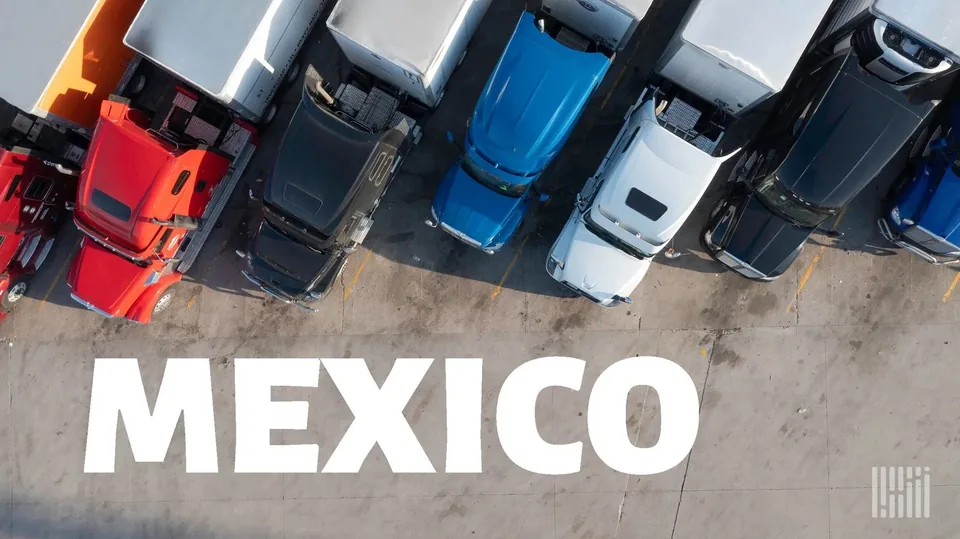
Mexico's nationwide trucker and farmer strike has entered its second day, with ongoing highway blockades causing significant disruptions to key freight corridors across the country. The strike, which began on Monday as a coordinated protest across at least 20 states, has evolved into a prolonged logistics disruption. As of early Tuesday, road closures remained in several critical corridors linking the State of Mexico with Mexico City, creating a 'mobility crisis' in the country's most important freight hub.
The protests have also led to traffic congestion and long queues of trucks and passenger vehicles on highways such as those in Veracruz, Michoacán, Chihuahua, Sinaloa, Tamaulipas, and Baja California. In some locations, traffic was completely paralyzed for hours, with limited alternative routes available. The situation is further complicated by the fact that protests were reported in at least 13 to 16 states, highlighting the widespread nature of the strike.
Conflicting reports from Mexican media suggest that the strike may be fragmenting, with some groups temporarily suspending blockades pending talks with federal authorities. However, localized protests continue in parts of the country, underscoring divisions within the movement. This division is evident in the reactions of major trucking and business organizations, which have distanced themselves from the actions and called for dialogue.
The National Association of Transporters (ANTAC) has pushed back against the government's claim that there are 'no reasons' for protests, arguing that authorities are ignoring widespread insecurity, extortion, and violence facing drivers. The group's statement highlights the need for a more nuanced understanding of the underlying issues driving the strike.
Major industry organizations such as CANACAR have warned that highway closures increase risks for drivers and cargo, can drive up freight costs, and spoil perishable goods. This underscores the importance of finding a solution to the strike that balances the needs of transporters with those of consumers and businesses.
Transporters and agricultural producers are reiterating that the strike is rooted in longstanding issues, including insecurity on highways, extortion, and violence against drivers. The situation is described as 'unsustainable' by protest leaders, who are demanding direct talks with President Claudia Sheinbaum, along with measures such as eliminating diesel taxes, increasing highway patrols, and creating a specialized prosecutor for cargo theft.

The prolonged nature of the strike highlights the need for a comprehensive solution to address the underlying issues facing Mexico's transportation sector. A lasting resolution will require cooperation between transporters, government officials, and industry stakeholders to find mutually beneficial solutions.
As the situation continues to unfold, it remains to be seen how long freight disruptions may persist. The impact on the economy and consumers is already being felt, with many businesses struggling to cope with the shortage of goods and services.
The Mexican government's response to the strike has been criticized for being inadequate, with some groups accusing officials of failing to address the root causes of the problem. A more effective approach will be needed to resolve the crisis and restore confidence in the transportation sector.
The prolonged nature of the strike highlights the need for a comprehensive solution to address the underlying issues facing Mexico's transportation sector.