


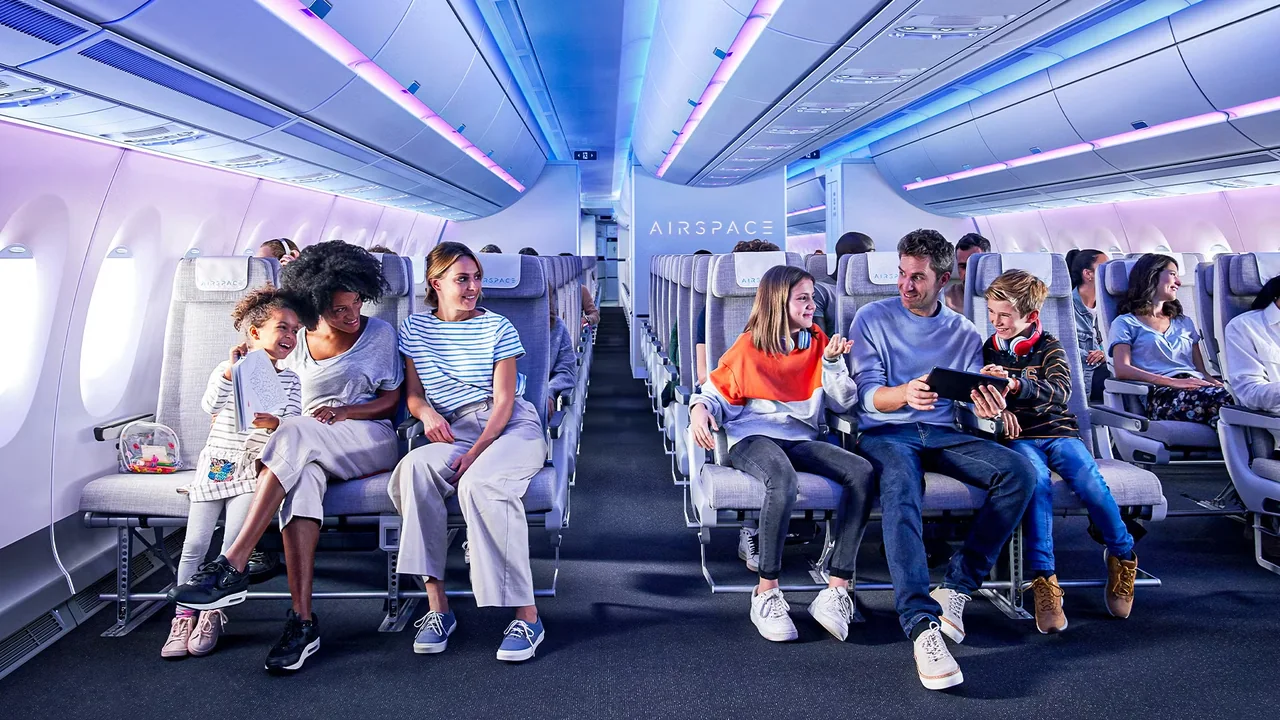
The aircraft's pressurization system is a complex mechanism that regulates the air pressure inside the cabin, creating a stable environment despite the thinness of the atmosphere at high altitudes. This system relies on the outflow valve, which controls the rate of air escape and maintains a constant internal density.
High-altitude flight is limited by the thinness of the atmosphere, which lacks the partial pressure of oxygen required for human lungs to effectively transfer molecules into the bloodstream. The ambient pressure at 40,000 feet is just below three pounds per square inch, a level that would lead to rapid unconsciousness and hypoxia without immediate mechanical intervention.
The pressurization system transforms the aircraft into a structural pressure vessel, creating a stable internal density regardless of the external atmospheric conditions. This system is managed by digital controllers that track the rate of climb and descent with millimetric precision to avoid sharp pressure spikes.

In contrast to aluminum airframes, which were limited by their inability to withstand high-pressure differentials, newer generation aircraft with carbon-fiber-reinforced polymers can maintain a more oxygen-rich environment, ensuring that passengers arrive with a resting heart rate closer to their ground-level baseline.
The current 6,000-foot standard is a direct result of the superior tensile strength of carbon-fiber-reinforced polymers. This upgrade has enabled carriers to provide a more comfortable flying experience for their passengers.
However, this increased comfort comes at a cost, as the newer generation aircraft require more complex and sophisticated systems to maintain the pressurized cabin environment.

The evolution of flight has moved from simple arrival to sophisticated optimization of human recovery, with the pressurization system playing a critical role in ensuring passenger well-being. As airlines continue to invest in newer generation aircraft, it is essential that they prioritize the comfort and safety of their passengers.
The development of more efficient pressurization systems will be crucial in reducing fatigue and discomfort among passengers during long-haul flights.
Ultimately, the next generation of aircraft will need to strike a balance between technological advancements and passenger comfort, ensuring that the flying experience remains both safe and enjoyable.

The evolution of flight has moved from simple arrival to sophisticated optimization of human recovery, with pressurization systems playing a crucial role in maintaining passenger well-being.


