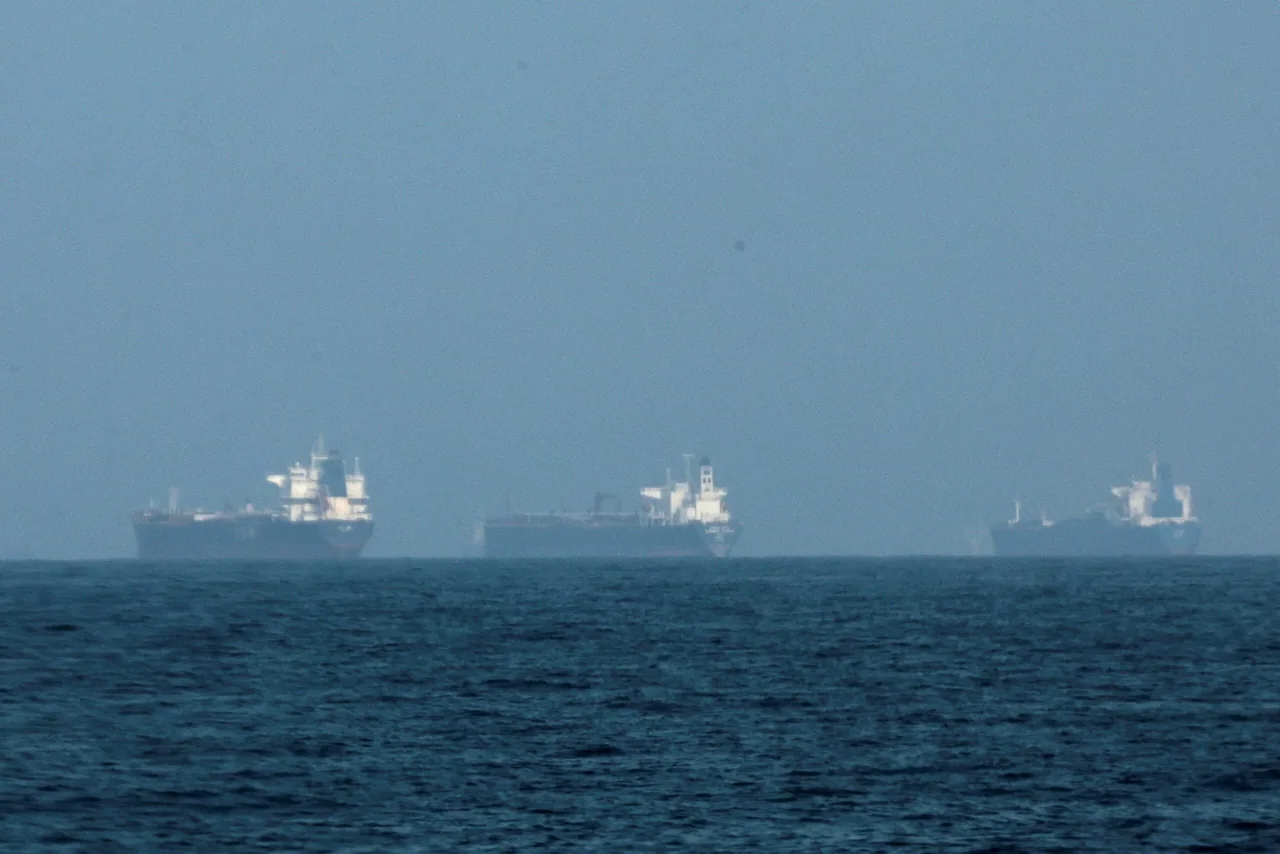
Three supertankers, the Serifos, Cospearl Lake, and He Rong Hai, successfully navigated through the Strait of Hormuz on Saturday, marking a significant development in the region's energy landscape. This move comes as the United States and Iran are engaged in peace talks, which may have contributed to the easing of tensions. The Strait of Hormuz has been a critical chokepoint for global oil and liquefied natural gas shipments, with Tehran's blockade since February disrupting energy supplies and sending oil prices soaring. The re-entry of tankers into the strait suggests that the situation is slowly returning to normal. However, the long-term impact of this development on global energy markets remains uncertain. As the world watches the unfolding events in the Middle East, one thing is clear: the Strait of Hormuz's importance cannot be overstated. The region's energy dynamics have a profound impact on global politics and economies, making any developments in the area highly relevant to industry stakeholders. Furthermore, the re-entry of tankers into the strait highlights the need for continued vigilance and cooperation among nations to ensure the safe passage of vessels through critical chokepoints like the Strait of Hormuz.
The Liberia-flagged Very Large Crude Carrier (VLCC) Serifos and China-flagged VLCCs Cospearl Lake and He Rong Hai entered and exited the