
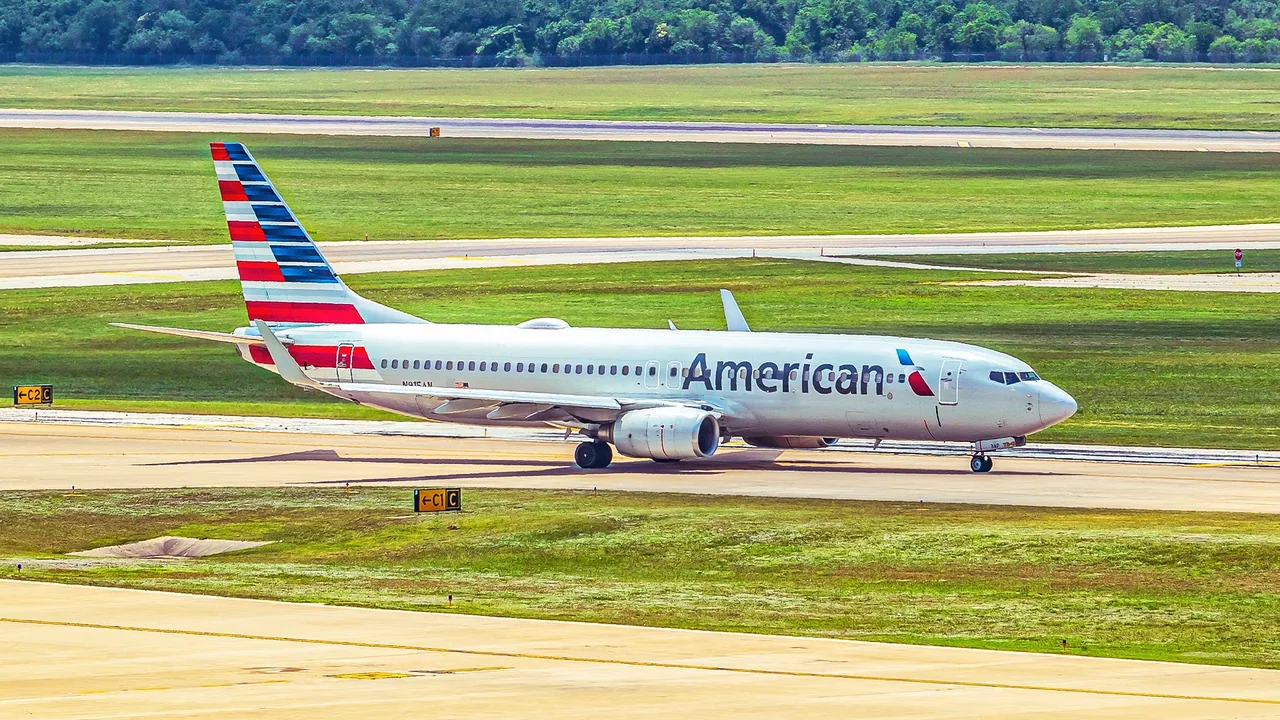
The aviation sector is witnessing a technological revolution with the implementation of automated boarding gates at American Airlines' Dallas/Fort Worth International Airport (DFW) hub. This innovative system will enable travelers to scan their mobile or paper boarding passes and proceed to the jetbridge without manual checks, significantly reducing queues and easing the burden on staff.
The rollout of electronic boarding gates is part of a larger effort by American Airlines to enhance its customer experience and streamline its operations. By automating the boarding process, the airline aims to create a more seamless and consistent experience for passengers, setting a new standard for domestic airports in the US.
American Airlines will be the first US carrier to deploy electronic boarding gates at scale at a major airport hub, with approximately 20 Dormakaba Argus Air XS gates being installed at DFW. These gates feature touchscreen displays that guide passengers through the necessary steps to pass, eliminating manual checks and reducing congestion.

The introduction of automated boarding gates will also ease the burden on American gate agents, freeing them up to focus on other tasks such as customer service and security checks. This move is expected to have a positive impact on the airline's overall efficiency and customer satisfaction.
American Airlines has reported favorable operational results and customer feedback from its trial period at DFW in November 2025. The successful pilot program has convinced the airline that a large-scale rollout of electronic boarding gates is not only feasible but also desirable from a passenger and staffing perspective.
The benefits of automated boarding gates extend beyond the airport itself, with the potential to reduce congestion on roads and highways as passengers disembark from their flights. This could lead to improved air quality and reduced traffic congestion in surrounding areas.

American Airlines has made other key changes to its boarding process recently, including shifting its boarding times to five minutes earlier and introducing an audible alert system at gates that sounds when passengers attempt to board before their group is called. These measures are designed to further enhance the passenger experience and reduce wait times.
The introduction of electronic boarding gates at DFW will pave the way for similar implementations at other major US airports, potentially leading to a nationwide shift towards more efficient and streamlined airport operations.
As American Airlines continues to invest in innovative technologies like automated boarding gates, it is likely that we will see further improvements in the airline industry's ability to provide seamless and efficient experiences for passengers. The impact of this technology will be felt across the sector, from airports to airlines themselves.

The introduction of automated boarding gates at major US airports will have a significant impact on the airline industry, reducing congestion and increasing efficiency.