
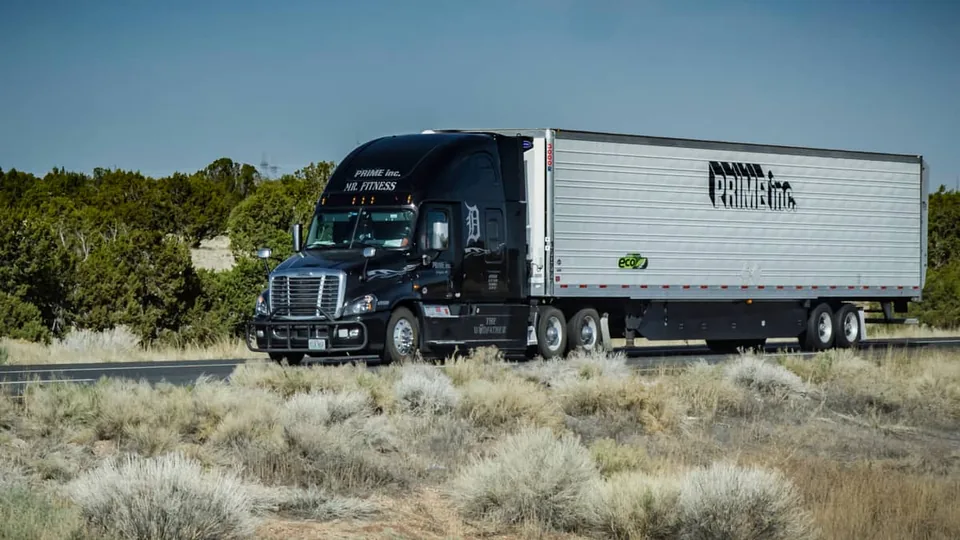
Prime Inc. has announced plans to invest over $160 million in building a new regional trucking hub in Spalding County, Georgia, creating over 120 full-time jobs and hiring more than 50 drivers. The new campus will serve as a Southeastern hub and include driver training, maintenance operations and support facilities, along with amenities designed to improve driver experience.
The company's decision to locate the hub near Griffin about 37 miles south of Atlanta was influenced by its proximity to key customers and transportation corridors, positioning it to handle growing freight demand across the Southeast. This strategic move aims to capitalize on the region's logistics strength, which supports roughly one in nine jobs statewide.
The facility will incorporate sustainability initiatives, including large-scale tire recycling that currently diverts more than 1 million tires annually from landfills. This effort demonstrates Prime Inc.'s commitment to reducing its environmental footprint and promoting eco-friendly practices.
State officials have hailed the project as another signal of Georgia's logistics strength, where the transportation sector supports roughly one in nine jobs statewide. The state's $107 billion transportation and logistics industry is expected to continue growing, driven by increasing demand for freight services.
Meanwhile, Old Dominion Freight Line has recently opened a new 65-door terminal in Pasco, Washington, replacing a smaller facility the company had operated in the region since 2011. The upgraded terminal is valued at more than $7 million and is designed to increase capacity and improve service times across southeastern Washington.
The Pasco expansion aligns with Old Dominion's broader strategy of adding doors and density across its less-than-truckload (LTL) footprint, critical factors in improving service levels and operating efficiency. By expanding its network, the company aims to strengthen its regional presence and support future customer growth.

Industry analysts note that the expansion of regional trucking hubs by major carriers is a strategic move to address growing freight demand and improve service levels. As freight volumes continue to rise, carriers are focusing on increasing capacity and density in key regions to stay competitive.
The trend towards density over fleet growth reflects the industry's shift towards more efficient and sustainable logistics operations. By investing in regional hubs and sustainability initiatives, carriers can reduce their environmental impact while improving service quality and customer satisfaction.
As the transportation sector continues to evolve, it is likely that we will see further investments in regional trucking hubs and sustainability initiatives from major carriers. This trend has significant implications for the industry, as it signals a shift towards more efficient and sustainable logistics operations.
The expansion of regional trucking hubs by major carriers is a strategic move to address growing freight demand and improve service levels.