
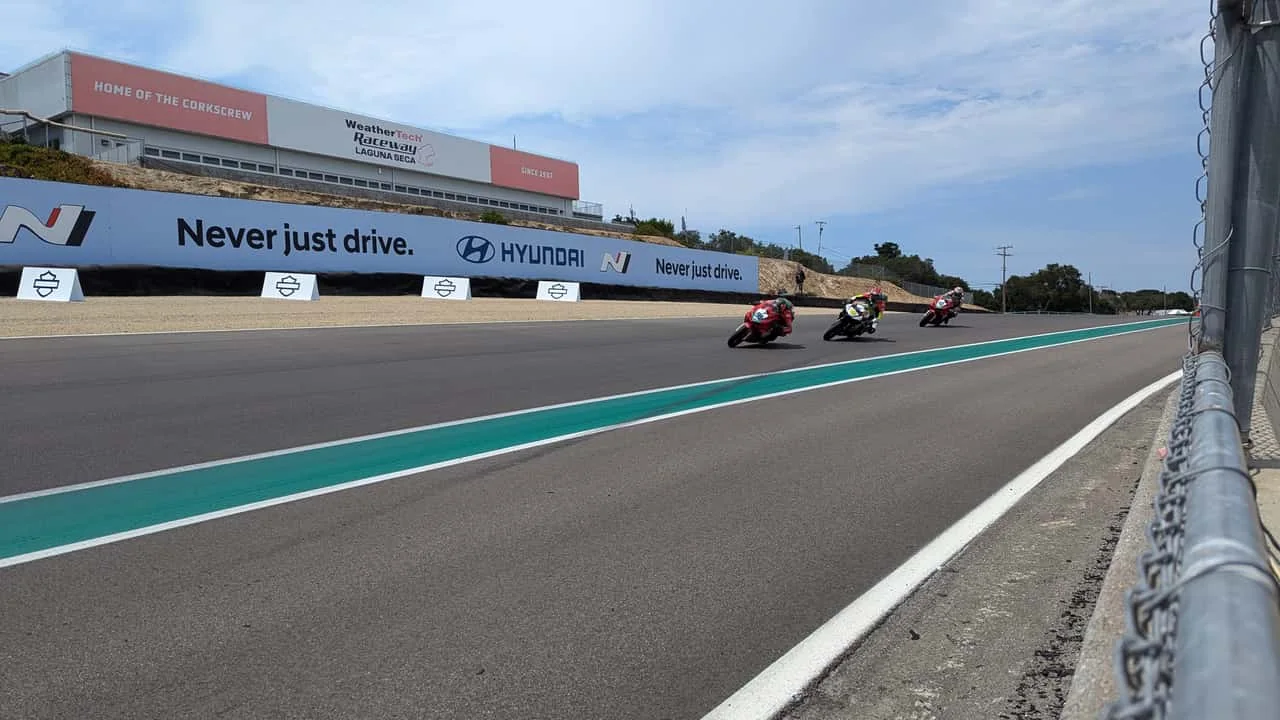
As the world becomes increasingly interconnected, it's becoming more common for homes to be built in areas that were previously off-limits. This trend has led to a rise in complaints from homeowners associations (HOAs) and individuals who are disturbed by the noise generated by local racetracks. In Kansas, however, residents are pushing back against these complaints, recognizing the importance of preserving their community's racing heritage.
The issue has become so prevalent that some communities have even established formal rules and regulations governing the use of racetracks in residential areas. These rules often prioritize noise reduction over other concerns, such as safety and recreation. However, this approach can be overly restrictive and stifle the very activities that bring people together.
In response to these complaints, Kansas has taken a proactive stance in protecting its local racetracks from unnecessary regulations. The state is working to ensure that HOAs and individuals are not able to unfairly restrict access to these facilities based on noise concerns alone.
One of the key challenges facing Kansas is navigating the complex web of federal and state laws governing racing activities. By taking a proactive approach, the state can help to clarify these regulations and provide clarity for both racetrack operators and residents.
The impact of this effort will be felt far beyond Kansas, as it sets an important precedent for other states and communities grappling with similar issues. By standing up for its racing community, Kansas is helping to preserve a vital part of American culture.
Of course, the issue of noise complaints at racetracks is not unique to Kansas. In many parts of the country, residents are facing similar challenges as they try to balance their desire for peace and quiet with the need for recreational space. However, Kansas's approach offers a promising model for how communities can work together to find solutions.
As the debate over racing regulations continues to unfold, it's clear that the stakes are high. For racetrack operators, the ability to host events and activities is crucial to their business model. For residents, access to these facilities is essential to community engagement and social connection.
Ultimately, Kansas's efforts serve as a reminder of the importance of preserving our cultural heritage in the face of encroaching development. By standing up for its racing community, the state is helping to safeguard a vital part of American identity.
As the world continues to evolve and change, it's likely that we'll see more communities taking a stand against unnecessary regulations and noise complaints at racetracks. For now, Kansas's efforts offer a beacon of hope for those who value the importance of racing and community engagement.
In conclusion, Kansas's decision to protect its local racetracks from HOA and noise complaints is a significant step forward in preserving our cultural heritage. By taking a proactive approach, the state is helping to ensure that these facilities remain accessible and vibrant for generations to come.