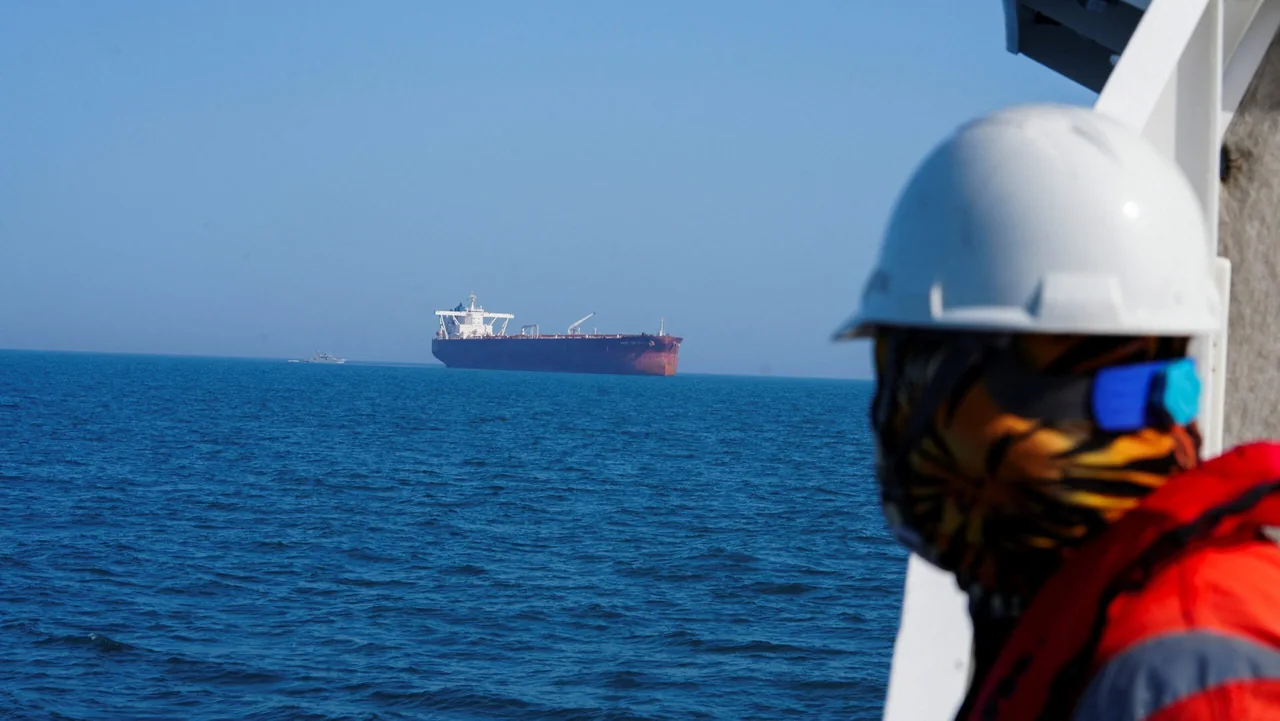
The Strait of Hormuz, a critical waterway for global oil and liquefied natural gas flows, has been shut down again by Iran's Navy. The closure, which was announced earlier in the week, has left hundreds of ships and thousands of seafarers stranded in the Gulf. The situation is a major concern for the shipping industry, as it could disrupt global energy supplies and cause significant economic losses.
Iran's Navy sent radio messages to merchant vessels attempting to cross the Strait on Saturday, telling them they were not allowed to pass without permission. This move has raised concerns about the safety of ships transiting the strait, particularly in light of recent reports of gunfire against two vessels. The incidents have left many wondering if Iran is trying to send a message or assert its dominance over the region.
The United Kingdom Maritime Trade Operations (UKMTO) agency reported an incident 20 nautical miles northeast of Oman, where a tanker was approached by two Islamic Revolutionary Guard Corps gunboats that fired on the vessel. Fortunately, the tanker and its crew were safe, but the incident highlights the risks faced by ships transiting the strait.

A container ship also reported being hit by gunfire in waters between the Qeshm and Larak islands. The vessels turned back without completing their crossing, a clear indication of the dangers posed by Iran's Navy actions. This incident is just one of many that have raised concerns about the safety of ships transiting the Strait of Hormuz.
The Iranian Navy has been broadcasting a VHF message saying the Strait of Hormuz is closed again, with no vessel of any type or nationality allowed to pass through. The message was clear and direct, leaving no doubt about Iran's intentions. This move is likely aimed at asserting its dominance over the region and sending a message to other nations.
Hundreds of ships and thousands of seafarers remain stranded in the Gulf, waiting to pass through the key waterway. The situation has significant implications for global energy supplies, as the Strait of Hormuz handles about 20% of global oil and liquefied natural gas flows. Disruptions to this critical infrastructure could have far-reaching economic consequences.
The closure of the Strait of Hormuz is a major concern for the shipping industry, which relies on the waterway for its operations. The situation highlights the need for greater cooperation and understanding between nations to prevent such incidents from occurring in the future. It also raises questions about Iran's intentions and whether it will continue to assert its dominance over the region.
The Strait of Hormuz has been a critical waterway for global energy supplies for decades, and its closure could have significant economic implications. The situation highlights the need for greater security measures to be put in place to prevent such incidents from occurring in the future. It also raises questions about the long-term impact on global energy supplies.
As the situation continues to unfold, it is essential that all parties involved take steps to ensure the safety of ships transiting the Strait of Hormuz. This includes greater cooperation and understanding between nations, as well as increased security measures to prevent such incidents from occurring in the future.