The Airbus A380's unique cockpit design has been a subject of interest since its introduction to commercial service in 2007. Built to carry over 850 passengers on a single flight, the A380's full double-deck design pushed engineers to rethink conventional aircraft layouts. This innovative approach aimed to maximize space, improve efficiency, and streamline operations.
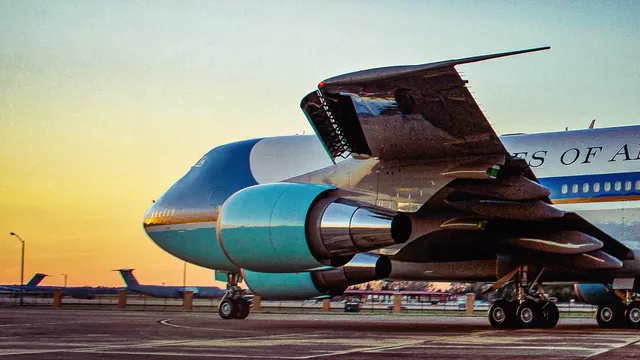
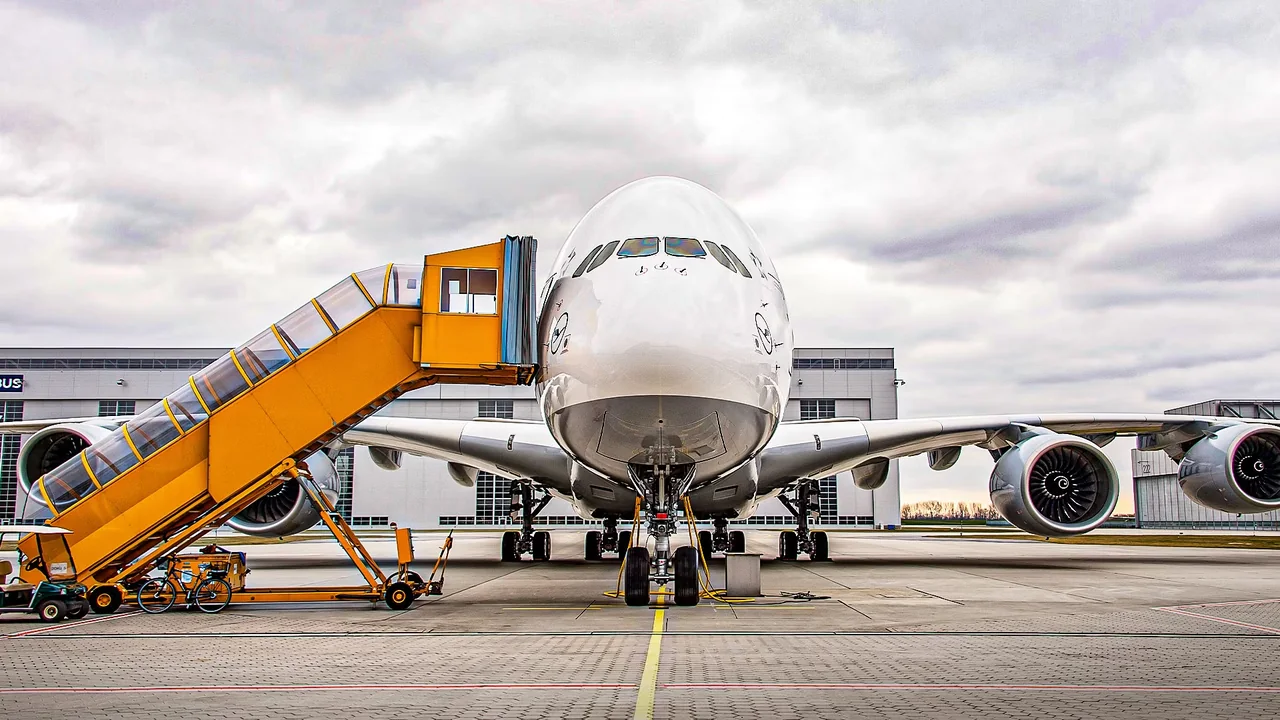
One of the most striking features of the A380 is its cockpit's unusual position on its own intermediate level, rather than on either passenger deck. Unlike the Boeing 747, whose raised cockpit was originally a by-product of cargo-focused design, Airbus took a passenger-first approach to create this configuration.
The decision behind the A380's cockpit placement reflects a deliberate choice to prioritize passenger comfort and efficiency over cargo operations. By positioning the cockpit between the two main passenger decks, Airbus aimed to reduce pilot training time, enhance aerodynamics, and free up both decks for passengers.

This unique layout sets the A380 apart from aircraft like the Boeing 747, whose raised upper-deck cockpit was originally designed to allow for a hinged nose door, enabling cargo loading if the aircraft were used as a freighter. The A380's intermediate cockpit space provides a more intuitive and comfortable environment for pilots.
The positioning of the cockpit also contributes to improved aerodynamic shaping of the aircraft's nose, reducing drag and lowering noise levels within the cockpit, enhancing overall flight deck comfort and performance. This design decision has significant implications for the future of commercial aviation.
In contrast to the Boeing 747's cargo-focused design, the A380 was designed as a passenger-first aircraft from the beginning. Understanding this difference in design philosophy is crucial to appreciating the significance of the A380's cockpit placement.

The A380's cockpit design reflects a shift towards more efficient and comfortable air travel. By prioritizing passenger comfort and efficiency, Airbus has created an aircraft that sets new standards for commercial aviation.
This innovative approach has far-reaching implications for the industry, as airlines and manufacturers continue to push the boundaries of what is possible in aircraft design. The A380's cockpit design will undoubtedly influence future generations of aircraft, shaping the course of commercial aviation for years to come.
As the aviation industry continues to evolve, it is essential to examine the design decisions that have shaped our understanding of air travel. The Airbus A380's cockpit design is a testament to the power of innovation and the importance of prioritizing passenger comfort and efficiency in aircraft design.
.jpg%3Fq%3D49%26fit%3Dcrop%26w%3D825%26dpr%3D2)