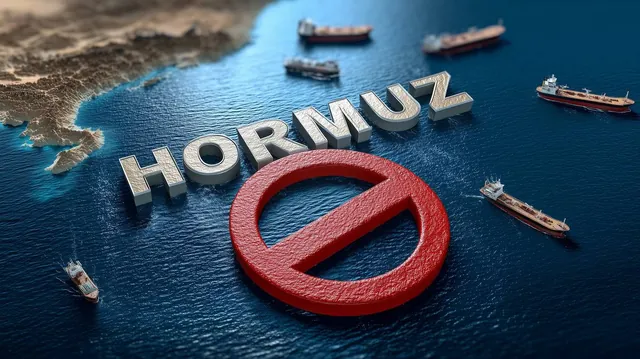

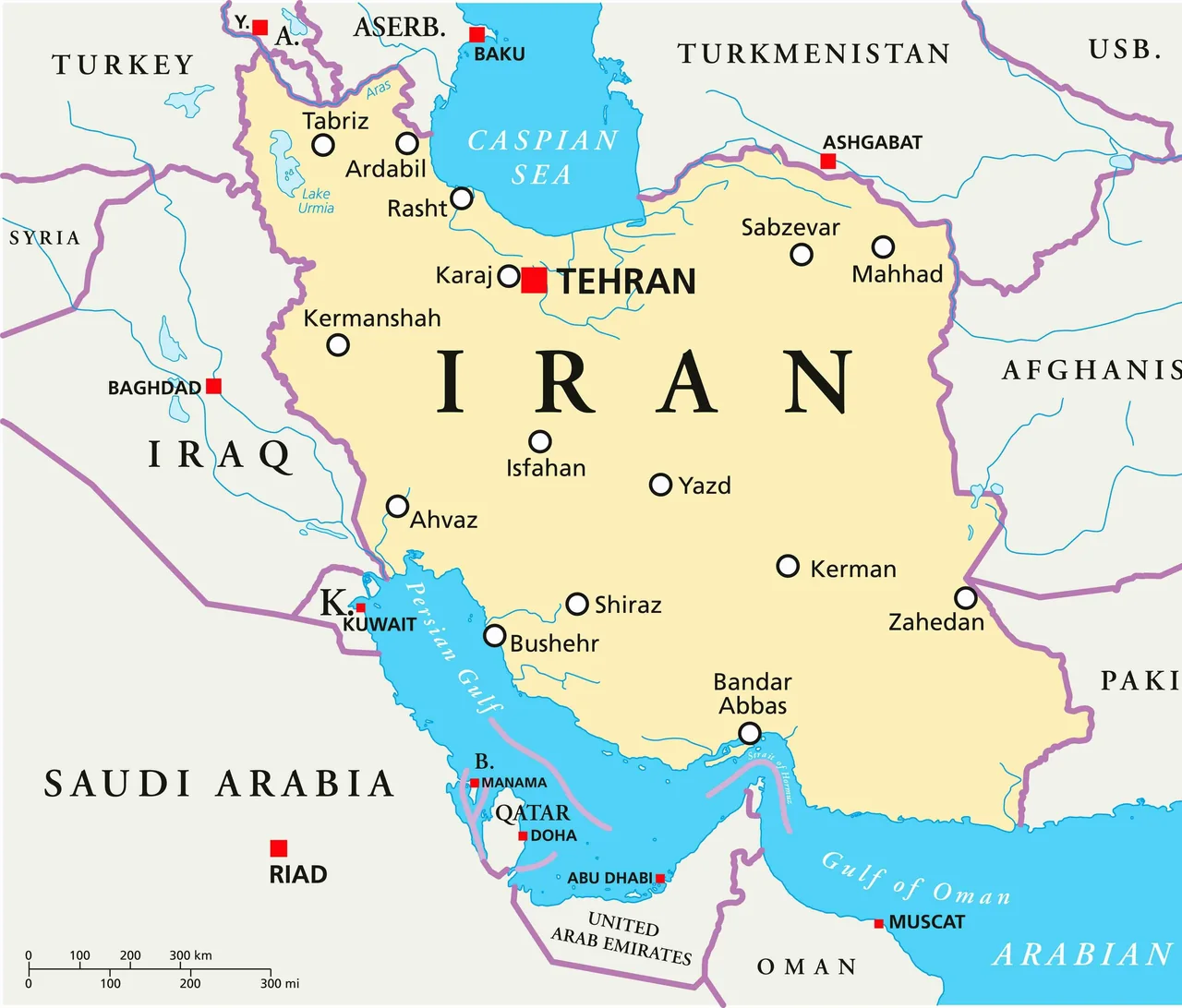
The United States has issued fresh guidance to commercial vessels transiting the Strait of Hormuz, a key shipping lane for Middle East oil supplies, as tensions simmer between Washington and Tehran over Iran's nuclear program. Iran has threatened to close down the strait in the past, and has seized commercial ships and oil tankers moving through the area alleging smuggling. -flagged commercial vessels to stay as far from Iran's territorial waters as possible and to verbally decline Iranian forces permission to board if asked.
It also said crews should not forcibly resist Iranian forces if they board. The guidance is aimed at reducing the risk of conflict between American ships and Iranian forces in the region. However, tensions remain high, with both sides indicating readiness to revive diplomacy over Tehran's long-running nuclear dispute with the West.
Washington has also expressed concerns over Iran's ballistic missiles, support for armed groups around the region, and human rights. The US has taken a hardline stance on these issues, imposing a 25% tariff on imports from any country that directly or indirectly purchases goods from Iran. Despite this, talks between the two countries are set to continue, with Oman mediating the negotiations.
The Strait of Hormuz is a critical shipping lane, and any disruption could have significant economic implications for the region. The US has a vested interest in ensuring the safe passage of ships through the strait, given its importance to global oil supplies. Iran's nuclear program remains a major point of contention between the two countries, with the US seeking greater transparency and verification from Tehran.
Meanwhile, Iranian officials have expressed concerns over the US's military presence in the region, which they see as a threat to their national security. The situation remains volatile, with both sides engaging in rhetoric that could escalate tensions further. However, for now, diplomacy appears to be the preferred course of action, with talks set to continue in Oman.
The US guidance on commercial vessels transiting the Strait of Hormuz is a prudent measure aimed at reducing the risk of conflict between American ships and Iranian forces in the region. By advising crews to verbally decline Iranian forces permission to board and not forcibly resist boarding, the US is taking a cautious approach to de-escalate tensions.