Qantas carried a significant number of passengers to/from the US in 2025, but its load factor was lower than expected. The airline's traffic numbers were only at the 21st-highest level for each year since 2000.
This decline is attributed to various factors, including reduced demand and increased competition from low-cost carriers like Jetstar.
The oneworld member transported 29% of all US-Australia/New Zealand passengers in 2025, but its load factor was still lower than the industry average.

Qantas' lowest load factor was recorded on its route from Melbourne to Honolulu, with only 66.8% of seats filled.
This is a significant decline compared to the airline's record year in 2019, when it carried nearly twice as many passengers on this route.
The low load factor on this route can be attributed to Qantas' decision to withdraw its services from Hawaii after its wholly owned low-cost unit, Jetstar, pulled out of the market.

In contrast, Jetstar's seat fill rate was significantly higher at 87.2%, but it is essential to note that this is a different model with varying pricing and frequency.
Qantas' poor performance on this route has led to an improvement in traffic, loads, and revenue on its other routes, such as Sydney-Los Angeles and Melbourne-Los Angeles.
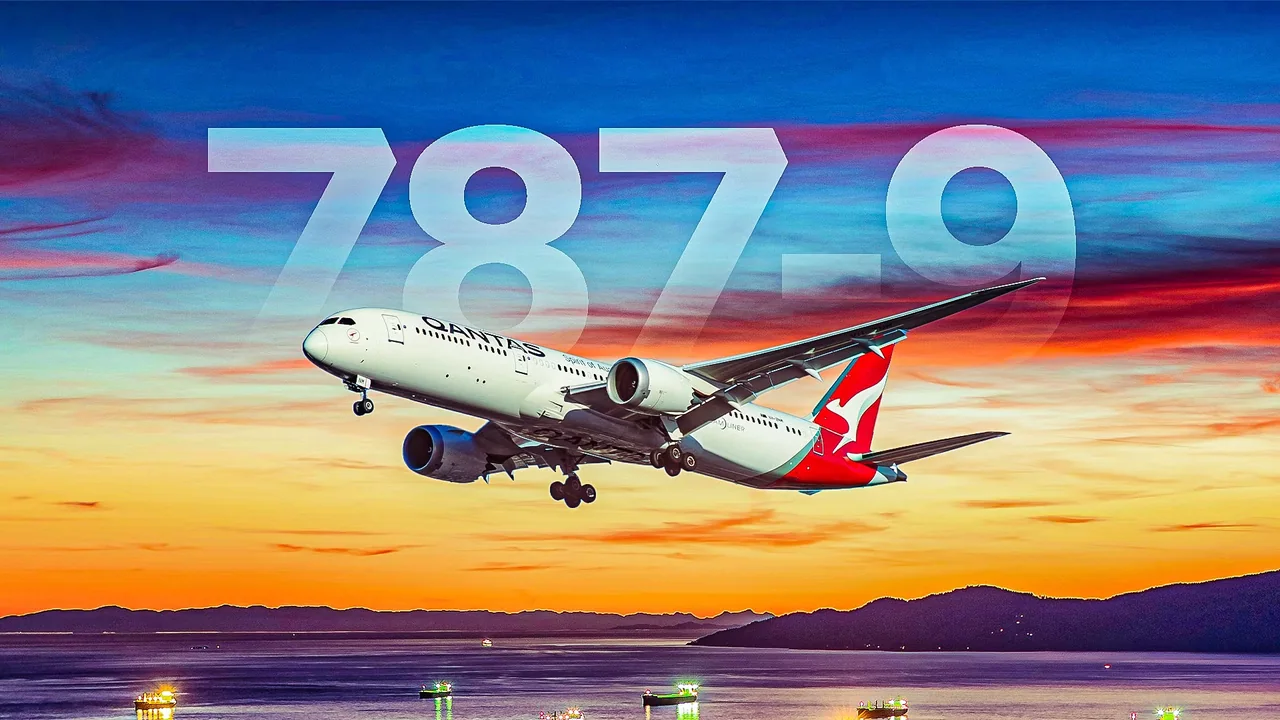
The airline's Boeing 787-9 remains profitable across its entire network, but Qantas' overall load factor was still lower than expected.

s note that Qantas' poor performance is largely due to increased competition and changing market trends.