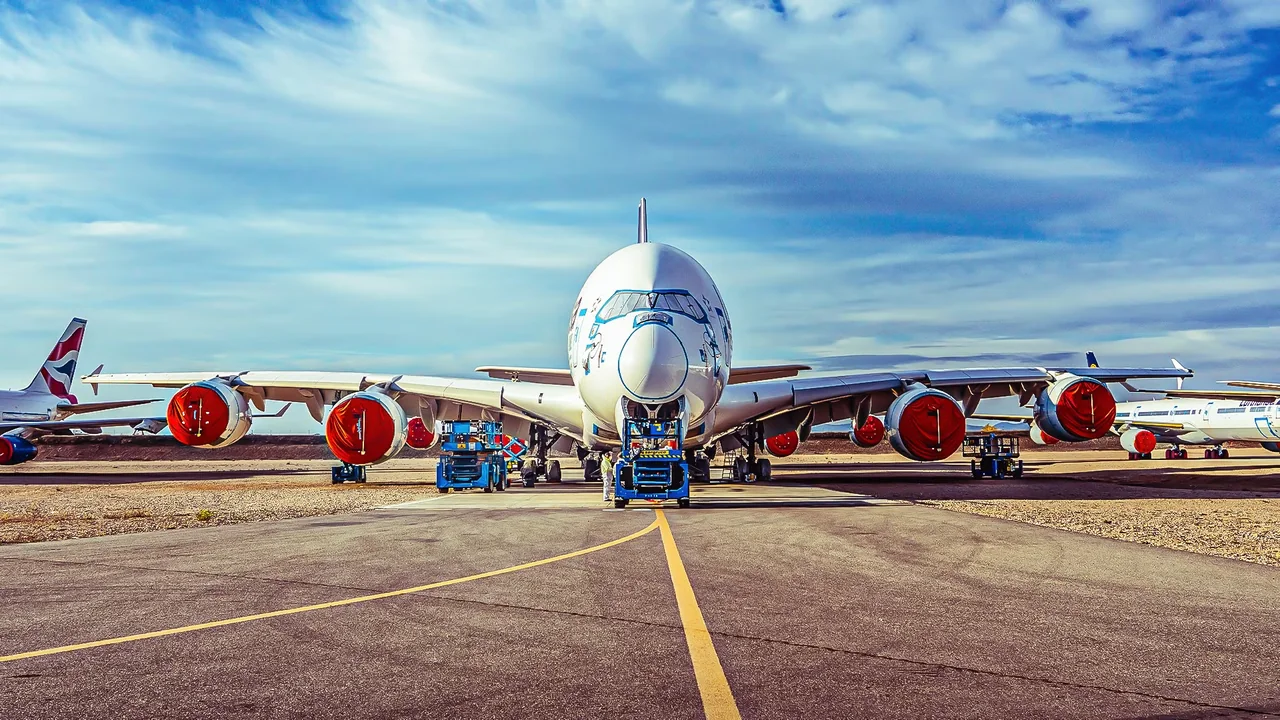
The Airbus A380 is a complex and fascinating aircraft that has been a subject of interest for many in the aviation industry. With its unique double-decker design, the A380 was initially seen as a game-changer in commercial aviation. However, over the years, it has become clear that the aircraft's production was not as successful as expected. Despite being one of the most iconic aircraft ever built, the A380 has struggled to find its place in the modern market. The aircraft's high development costs and limited demand have resulted in significant losses for Airbus, making it one of the most unprofitable aircraft in aviation history.
The story of the A380 is a cautionary tale about the importance of adapting to changing market demands. When the aircraft was first introduced in 2007, few would have believed that less than two decades later, in December 2021, Airbus would deliver the last A380 ever built to Emirates. The A380's production peaked in 2012, with 30 new aircraft being constructed, but by 2021, Airbus made the decision to discontinue production due to a lack of commercial interest.
The COVID-19 pandemic played a significant role in the A380's demise. As airlines struggled to stay afloat, they began to re-evaluate their fleets and opt for more efficient twin-jet aircraft such as the A350 and Boeing 787. These aircraft offered better fuel efficiency and lower operating costs, making them more attractive to airlines looking to reduce their environmental impact.

The market's shift away from the
The A380's unique design makes it challenging to adapt to changing market demands.