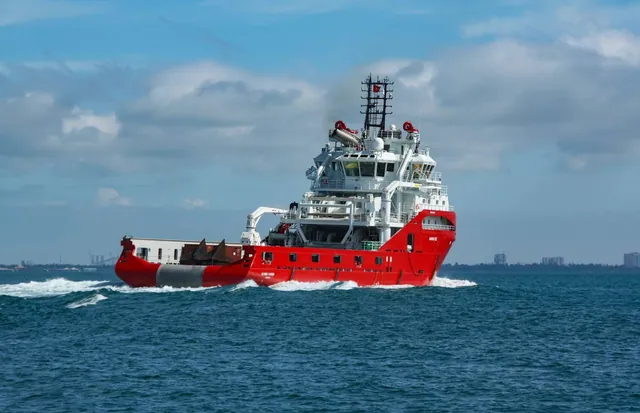
Seatrium has completed the divestment of its fleet of 17 tugboats in Singapore, following an earlier announcement in February. The company's decision to sell off its non-core assets marks a significant shift in its business strategy. This move is expected to have far-reaching implications for Seatrium and the maritime industry as a whole.
The transaction was completed on April 24, 2026, after months of negotiations with potential buyers. The sale price of $81.5 million (S$104 million) reflects the value that Seatrium's tugboats bring to the market. This sale is a testament to the strong demand for tugboats in the region.
The divestment, along with other non-core asset sales, is expected to deliver more than $39.1 million (S$50 million) in annualized cost savings. By shedding its non-core assets, Seatrium aims to streamline its operations and focus on high-margin activities. This move is likely to have a positive impact on the company's bottom line.
The tugboats were sold in January 2026 through Seatrium Marine Services to KST Maritime and its affiliate Maju Maritime, both unrelated third parties. The sale of these assets marks an important milestone for Seatrium as it embarks on a new chapter in its history. This move is expected to have significant consequences for the company's financial performance.
Seatrium has also entered into a towage services agreement with KST Maritime to provide tugboat services to its Singapore-based shipyards, shifting to an outsourcing model. This arrangement allows Seatrium to focus on its core competencies while leveraging KST Maritime's expertise in the industry. The partnership is likely to drive growth and efficiency for both parties.
The divestment of Seatrium's tugboat fleet is a strategic move that reflects the company's commitment to adapting to changing market conditions. By selling off non-core assets, Seatrium aims to position itself for long-term success in the maritime industry. This move is expected to have significant implications for the company's future growth prospects.
The sale of these tugboats marks an important step towards Seatrium's goal of becoming a more agile and responsive business. By shedding its non-core assets, Seatrium can focus on high-margin activities and drive revenue growth. The company's ability to adapt to changing market conditions is likely to be a key factor in its future success.
The divestment of the tugboat fleet is also expected to have significant implications for the maritime industry as a whole. As companies continue to navigate complex regulatory environments, the trend towards outsourcing and cost-cutting is likely to gain momentum. This move by Seatrium reflects the industry's shift towards greater efficiency and competitiveness.
The long-term impact of this divestment on Seatrium's financial performance will depend on various factors, including the company's ability to execute its new business strategy effectively. If successful, this move could drive significant growth and profitability for the company. However, there are also risks associated with this shift in strategy, which must be carefully managed.
The divestment is a strategic move by Seatrium to focus on core operations and reduce costs.