
The Trump administration has formalized a process allowing Canadian and Mexican steel and aluminum producers to apply for reduced tariffs if they invest in new U.S. production capacity.
Under the program, qualifying producers can receive tariff reductions—potentially cutting duties in half—if they submit detailed plans to expand primary metals production in the U.S.
The relief applies only to imports tied to new U.S. capacity and is contingent on meeting strict milestones, including construction timelines, hiring plans and capital investment commitments.

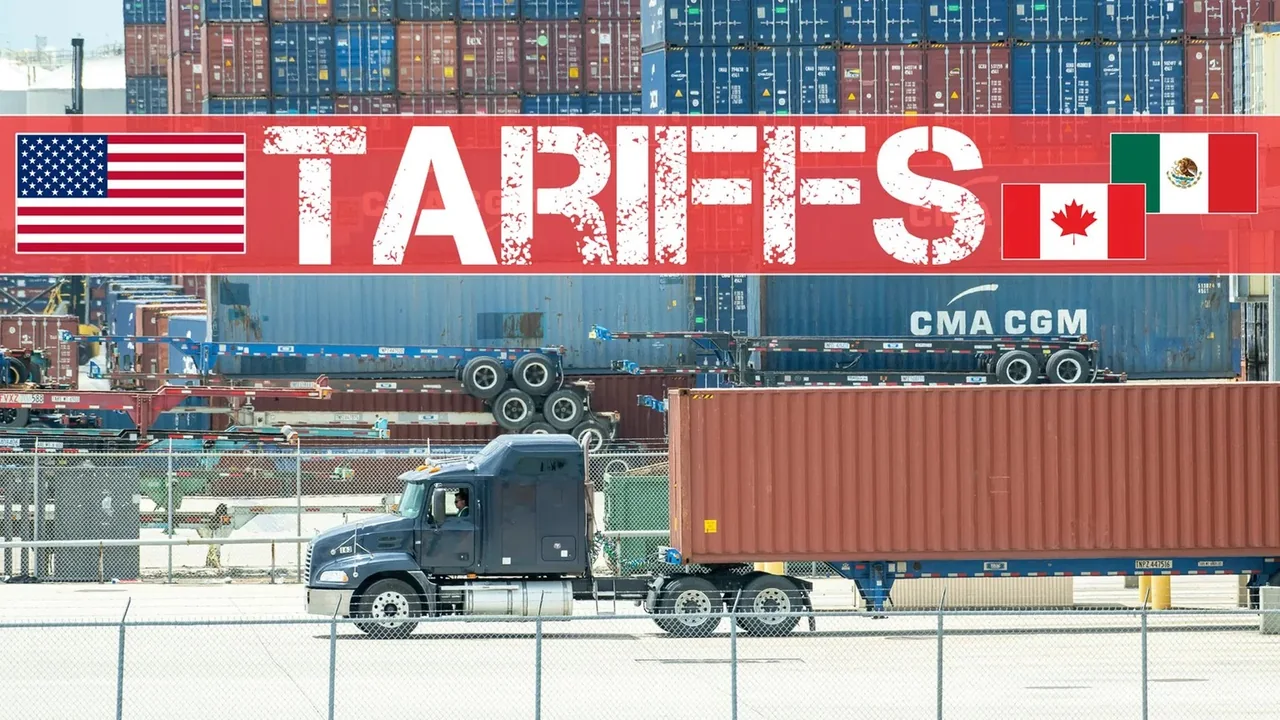
The initiative comes after the US imposed tariffs of up to 50% on imported steel and aluminum from Canada and Mexico, measures that both countries argue violate the United States-Mexico-Canada Agreement (USMCA).
A report by CBC News noted the administration is offering “immediate tariff relief” to companies that agree to move production south of the border in the future, underscoring the conditional nature of the policy.
The Trump administration has pointed to recent manufacturing announcements as evidence the strategy is working.
U.S. Steel said it plans to restart its Gary Tin Mill in Indiana, a move expected to support about 225 jobs and boost domestic supply for packaging and industrial uses.
Meanwhile, Marubeni-Itochu Steel America (MISA) announced it will build a $37 million steel processing facility in Osceola, Arkansas, creating 35 jobs and expanding its North American footprint.
Canada, Mexico push back ahead of USMCA review
Canadian and Mexican officials have both argued the tariffs—and the conditions attached to relief—undermine the spirit of the trade pact.
This policy shift is likely to have significant implications for cross-border supply chains and trade relationships between the US, Canada, and Mexico.