Trucking fleets are facing new challenges with fuel prices and volatility. While high fuel costs can be devastating, it's not just about the price - it's also about uncertainty and how quickly assumptions behind fuel budgets and business strategies change. History shows us that prices eventually come back down, but for trucking fleets, it's not just about being resilient to price fluctuations.
Advocates of alternative fuels and fleet electrification point out that there are alternatives to diesel that aren't as vulnerable to these kinds of price shocks. With the rise of electric vehicles and renewable natural gas, fleets have more options than ever before.
The shift towards alternative fuels is not just driven by regulations, but also by sustainability goals and a desire to reduce carbon emissions. Private fleets of major corporations, particularly those based in Europe or Asia, are driving this trend with their own sustainability programs.

For-hire fleets are also adopting alternative fuels as part of their corporate values and customer demands. Data-driven approaches are being used to provide lower-carbon alternatives to customers, as well as carbon emissions calculations that customers can use to estimate their own footprint.
The increasing interest in renewable natural gas is another area of focus for fleets looking to diversify their fuel sources. Renewable natural gas offers a cleaner-burning alternative to diesel and can help reduce greenhouse gas emissions.
As oil prices continue to fluctuate, fleets must consider the risks and challenges associated with alternative fuels. Infrastructure, policy, vehicle investment, and supply are just a few of the factors that need to be addressed.

The new pillar of alternative fuel strategy is resilience - being able to withstand price shocks and maintain operations. Diesel fuel prices are closely tied to crude oil, which is driven by geopolitics and refining capacity.
Energy diversification is key to mitigating these risks. By spreading their risk across multiple fuels, fleets can reduce their exposure to price volatility and ensure a more stable supply chain.
In conclusion, diversifying fuel sources is no longer just a sustainability or compliance decision - it's a strategic risk management decision. Fleets must adapt their strategies to ensure long-term viability in an increasingly volatile energy landscape.
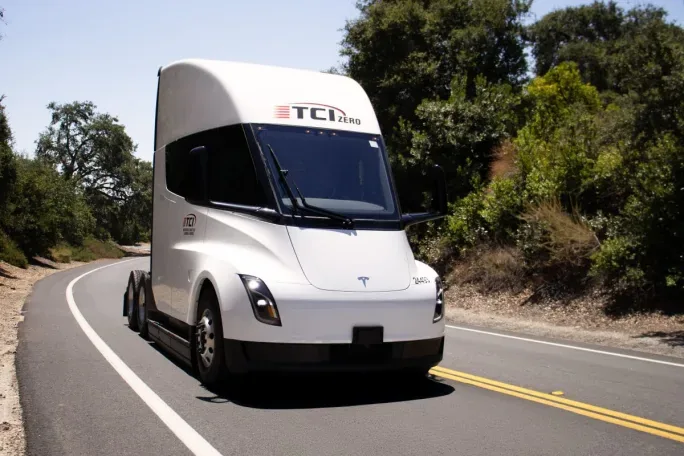
As the energy landscape continues to shift, fleets must adapt their strategies to ensure long-term viability.