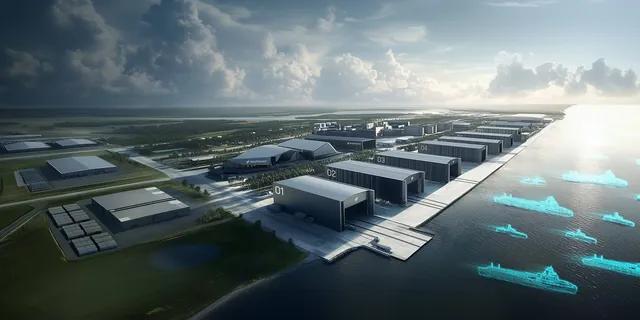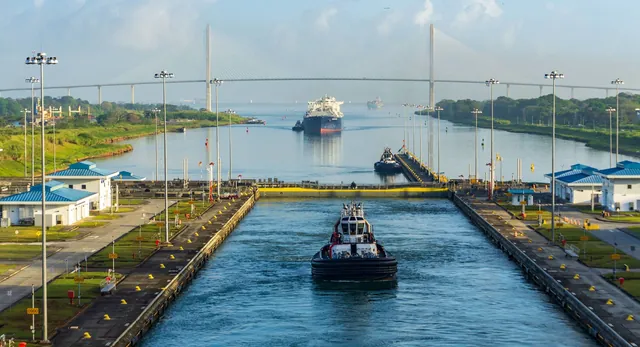

The US maritime industry is facing a serious threat to its existence, with declining production numbers and a lack of investment in new shipbuilding facilities. This poses a significant risk to US national security and the economy, as well as our ability to project power abroad. The situation has become increasingly dire, with China now dominating the world's sea lanes and building over 1,000 vessels every year. In contrast, the US built only five merchant vessels in 2024, highlighting the urgent need for action.
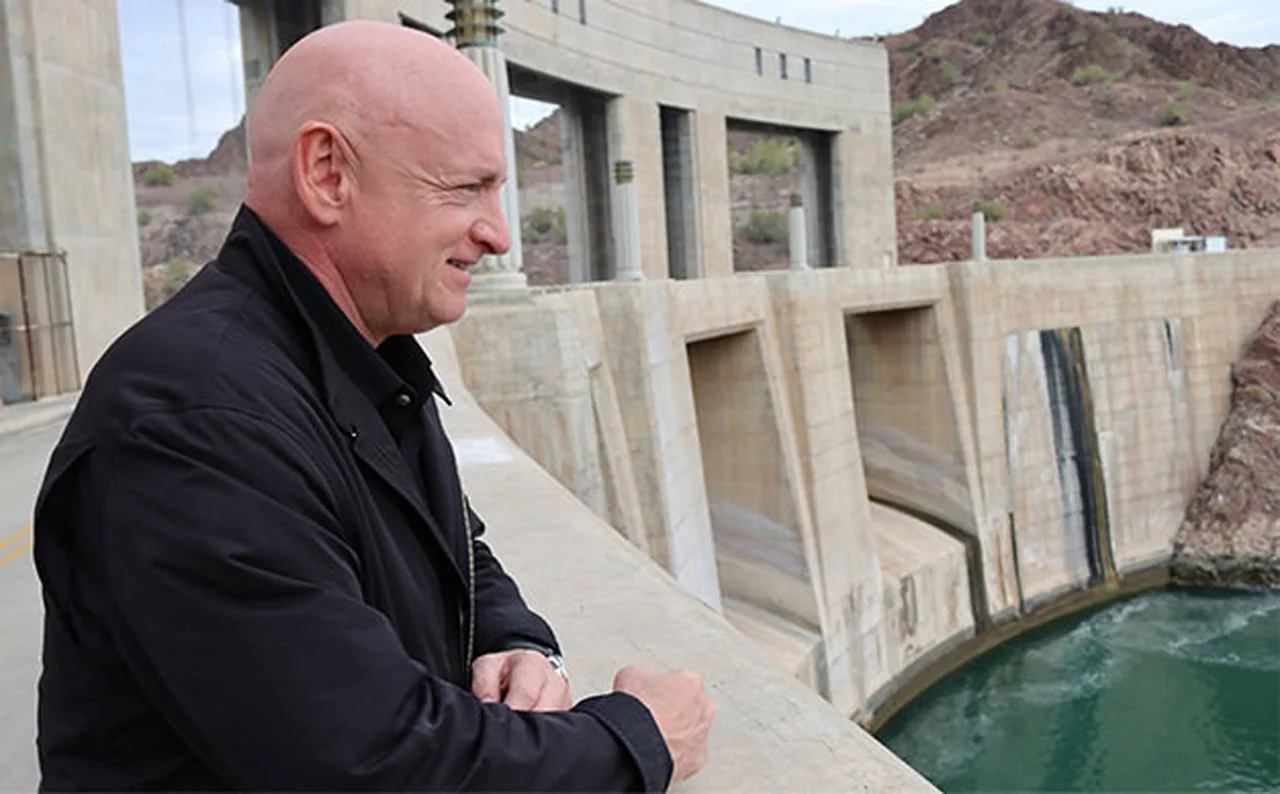
The introduction of the SHIPS for America Act by Senators Mark Kelly and Todd Young and Representatives John Garamendi and Trent Kelly marks a significant shift in bipartisan support for rebuilding the US maritime industry. This legislation has been backed by industry leaders and organized labor, demonstrating a comprehensive alignment across Congress, industry, and labor unions.
The passage of this act could provide long-term funding for US-built ships and shipyards, as well as cut regulatory red tape to meet the maritime needs of our country today. President Trump's Maritime Action Plan mirrors the bipartisan legislation, further emphasizing the need for action at the congressional level.
China's growing naval fleet poses a significant threat to global stability and security, with three times as many warships as the US. The ability of Chinese ships to enter American ports could be blocked by President Xi Jinping in the event of a conflict, leading to industry bottlenecks and supply chain disruptions.
The SHIPS for America Act is the most ambitious and comprehensive legislation in a generation to revitalize the US maritime sector. It aims to set America on the path to regain its position as the greatest maritime power in the world.
Industry leaders have expressed support for the bill, recognizing the need for investment in new shipbuilding facilities and training programs for mariners. The passage of this act could provide a much-needed boost to the US economy and create jobs in the industry.
The alignment across Congress, industry, and labor unions is unprecedented in recent history, with all parties recognizing the urgent need to rebuild the US maritime industry. This demonstrates a commitment to prioritizing national security and economic growth over partisan differences.
Despite the challenges facing the US maritime industry, there is reason for optimism that this act could be passed and implemented. With bipartisan support and backing from industry leaders, the momentum is building towards revitalizing America's shipbuilding capabilities.
The passage of the SHIPS for America Act could have significant implications for global trade and security in the years to come. As the US seeks to regain its position as a maritime power, it will be critical to ensure that this act is implemented effectively and efficiently.
Ultimately, the success of this legislation will depend on the ability of Congress to work together and provide long-term funding for the US maritime industry. With bipartisan support and industry backing, there is reason to believe that this act could be a major step towards revitalizing America's shipbuilding capabilities.
The passage of the SHIPS for America Act could have a significant impact on the US economy and national security.