
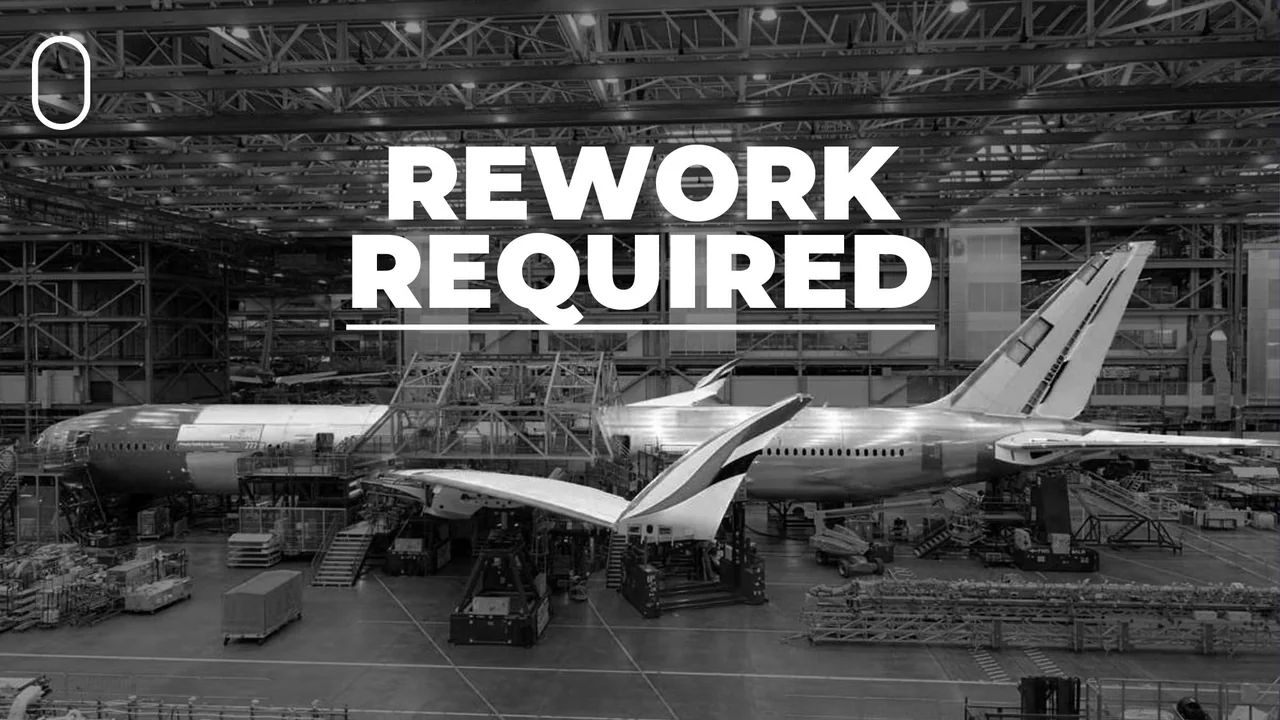
Boeing has announced that the 30 or so 777X airframes already built will need significant modifications before they can be delivered to airline customers. This development comes as a result of the aircraft manufacturer's decision to produce airframes prior to the type being fully certified. The company may have been overly optimistic about its early design, hoping to get deliveries started as soon as possible.
The production schedule for the 777X was likely driven by Boeing's desire to capitalize on the growing demand for wide-body aircraft. However, this haste may have come at a cost, as the airframes now require modifications to meet certification specifications. The extent of these modifications is not yet clear, but they are expected to be substantial.
Boeing's decision to produce airframes before full certification has raised questions about the company's risk management practices and its ability to balance speed with safety. The 777X program has already faced significant challenges, including delays and cost overruns. This latest development may further exacerbate these issues.
The modifications required for the 777X airframes will likely involve significant changes to the aircraft's design and systems. These changes may include updates to the engines, avionics, and other critical systems. The cost of these modifications is not yet clear, but it is expected to be substantial.
As a result of these delays, deliveries of the 777X are now on hold. This news will likely come as a disappointment to airlines that had planned to take delivery of the aircraft in the near future. Boeing has not provided a timeline for when deliveries will resume, but it is clear that the company's production schedule has been significantly impacted.
The certification process for the 777X was already expected to be complex and time-consuming. However, Boeing's decision to produce airframes before full certification has added an extra layer of complexity to this process. The company must now navigate a series of modifications and testing procedures to ensure that the aircraft meets all relevant safety and performance standards.
The 777X program is a high-profile example of the challenges faced by the aviation industry in terms of certification and production. As Boeing works to address these issues, it will be watching closely to see how its competitors respond. The success or failure of the 777X program will have significant implications for the future of commercial aviation.
In the meantime, Boeing is likely to face increased scrutiny from regulators and investors alike. The company must demonstrate that it can balance speed with safety and that its production schedule is realistic. This may involve a series of cost-cutting measures and process improvements designed to reduce the risk of similar delays in the future.
The 777X program's early design phase may have led to a rushed production schedule, resulting in costly rework and delays.