Airlines bring together hundreds of strangers into a high-pressure environment where safety, timing, and cooperation are paramount. While travelers often focus on comfort, boarding order, or in-flight perks, flight attendants prioritize something entirely different: behavior. Over years of working in cramped cabins, crew members develop a keen sense of which passengers make flights smoother and which create unnecessary friction.
These behaviors stand out precisely because they are uncommon in a setting where stress, fatigue, and distraction are the norm. Small acts of awareness carry disproportionate weight, shaping how flight attendants perceive and interact with travelers throughout the journey.
Flight attendants consistently remember passengers who demonstrate simple habits that make communication easier, reduce workload, and acknowledge the humanity of the crew. These behaviors often go unnoticed by travelers but have a significant impact on the crew's experience.

The six specific behaviors flight attendants consistently say make their job easier are: ordering clearly and politely, asking permission before using electronic devices, offering to help with luggage, being considerate of personal space, listening attentively during safety instructions, and showing appreciation for the crew's work.
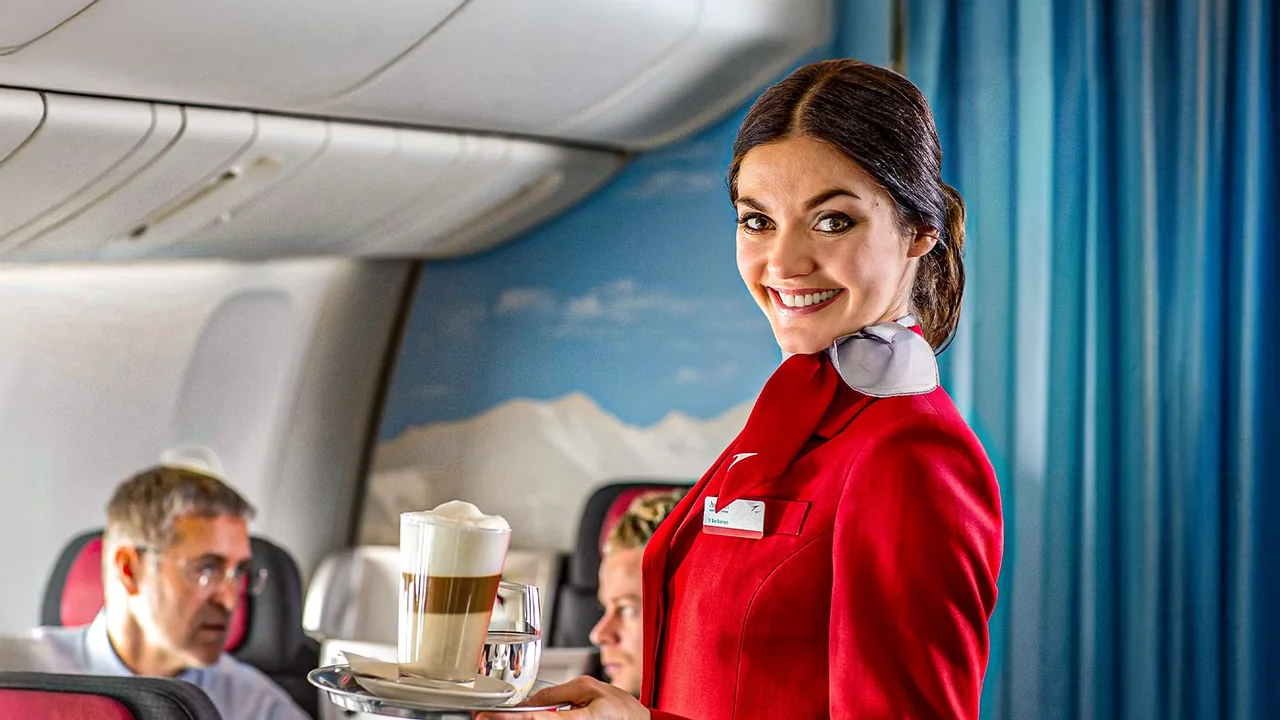
One of the simplest interactions on a flight is also one of the most revealing. When a passenger orders a drink or snack, their behavior immediately signals their level of awareness and respect. A simple 'please' goes a long way in reducing back-and-forth and reinforcing mutual respect.
This behavior matters because beverage service is often conducted under tight time constraints, especially on shorter flights. Efficient communication keeps the service flowing smoothly and reduces stress for both passengers and crew members.

Politeness in ordering is surprisingly rare, which is why it stands out so strongly. Passengers who take this extra second are often remembered as cooperative and considerate, leading to better service and a more positive experience.
At its core, this habit reflects an understanding that flight attendants are managing a complex operation, not simply handing out drinks. Passengers who recognize this dynamic tend to receive more attention and care from the crew.
By adopting these simple behaviors, passengers can greatly impact the flight attendant's experience and contribute to a smoother, more enjoyable journey for everyone on board.

Small acts of kindness can greatly impact the crew's experience.