
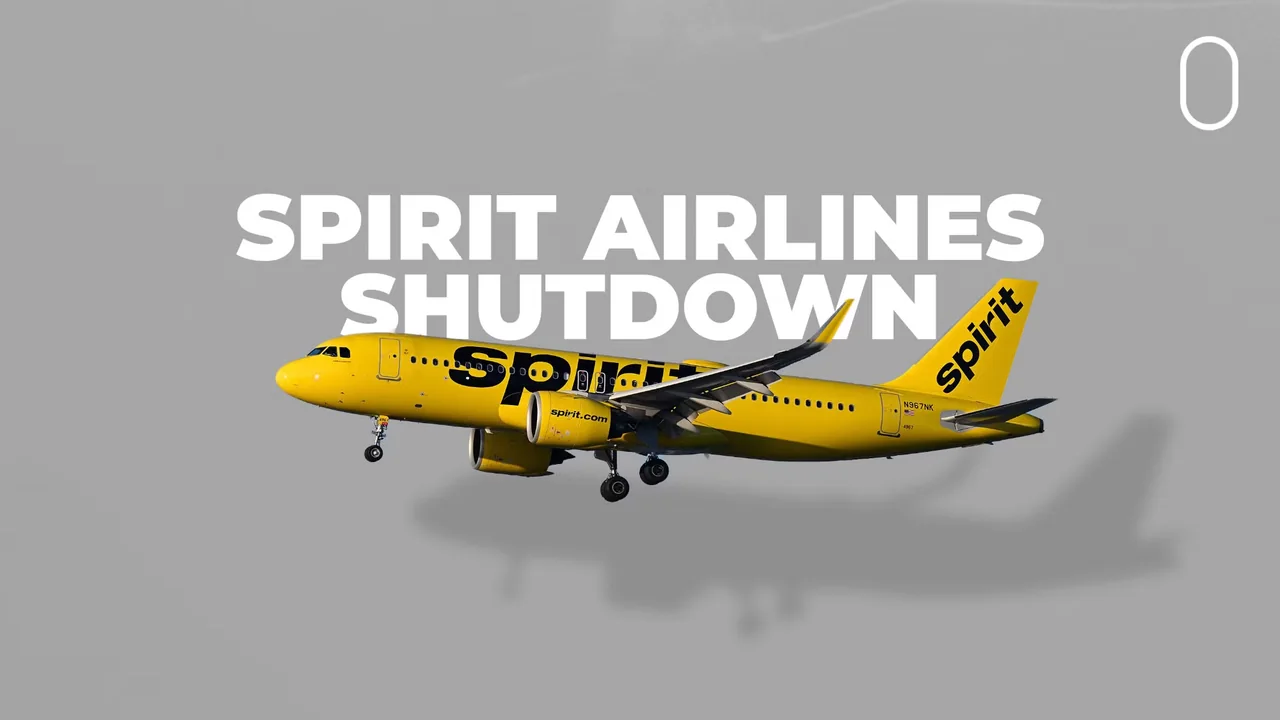
The final curtain call for Spirit Airlines has arrived, as the ultra-low-cost carrier confirmed its shutdown. The last Spirit Airlines flight, NK1833 from Detroit to Dallas/Fort Worth, touched down in the early hours of Saturday, May 2nd, marking the end of an era for the airline. This milestone marks a significant shift in the US air travel landscape, with implications for passengers and competitors alike.
The shutdown comes after years of declining revenue and increased competition from other low-cost carriers. Spirit Airlines' decision to cease operations is likely a response to these challenges, as well as rising fuel costs and regulatory pressures. The airline's demise serves as a reminder that even the most resilient players in the industry can fall victim to changing market conditions.
As the last flight of Spirit Airlines took off into the night sky, passengers were left to bid farewell to an era of ultra-low-cost travel. For those who have flown with Spirit over the years, this marks a significant loss of convenience and affordability in air travel. The airline's business model, which relied heavily on low fares and minimal frills, has proven unsustainable in the face of rising costs and changing consumer preferences.
The impact of Spirit Airlines' shutdown will be felt across the industry, with competitors such as Frontier Airlines and JetBlue likely to benefit from the increased capacity and competition. However, for passengers who have grown accustomed to Spirit's low fares and flexible scheduling, this change may come as a significant inconvenience.
As the airline industry continues to evolve in response to changing consumer demands and technological advancements, the demise of Spirit Airlines serves as a reminder that adaptability is key to long-term success. The rise of new entrants and consolidations will likely continue to shape the landscape of US air travel in the years to come.
The closure of Spirit Airlines also raises questions about the future of air travel in the United States. With the airline's decision to cease operations, there may be concerns about the availability of affordable air travel options for passengers. The government and industry regulators will need to carefully consider these implications as they navigate the changing landscape of US air travel.
For many passengers, Spirit Airlines has been a lifeline for budget-conscious travelers. The airline's low fares and flexible scheduling have made it an attractive option for those looking to explore new destinations without breaking the bank. However, this convenience comes at a cost, as the airline's business model relied heavily on sacrificing amenities and services in order to maintain its low prices.
As Spirit Airlines brings its operations to a close, there are already whispers of potential consolidation or acquisition among industry insiders. With the airline's assets and routes up for grabs, it is likely that we will see significant changes in the US air travel landscape in the coming months.
The final flight of Spirit Airlines serves as a reminder that even the most established players in the industry can fall victim to changing market conditions. As the airline continues to wind down its operations, passengers and competitors alike are left to ponder what this means for the future of air travel in the United States.