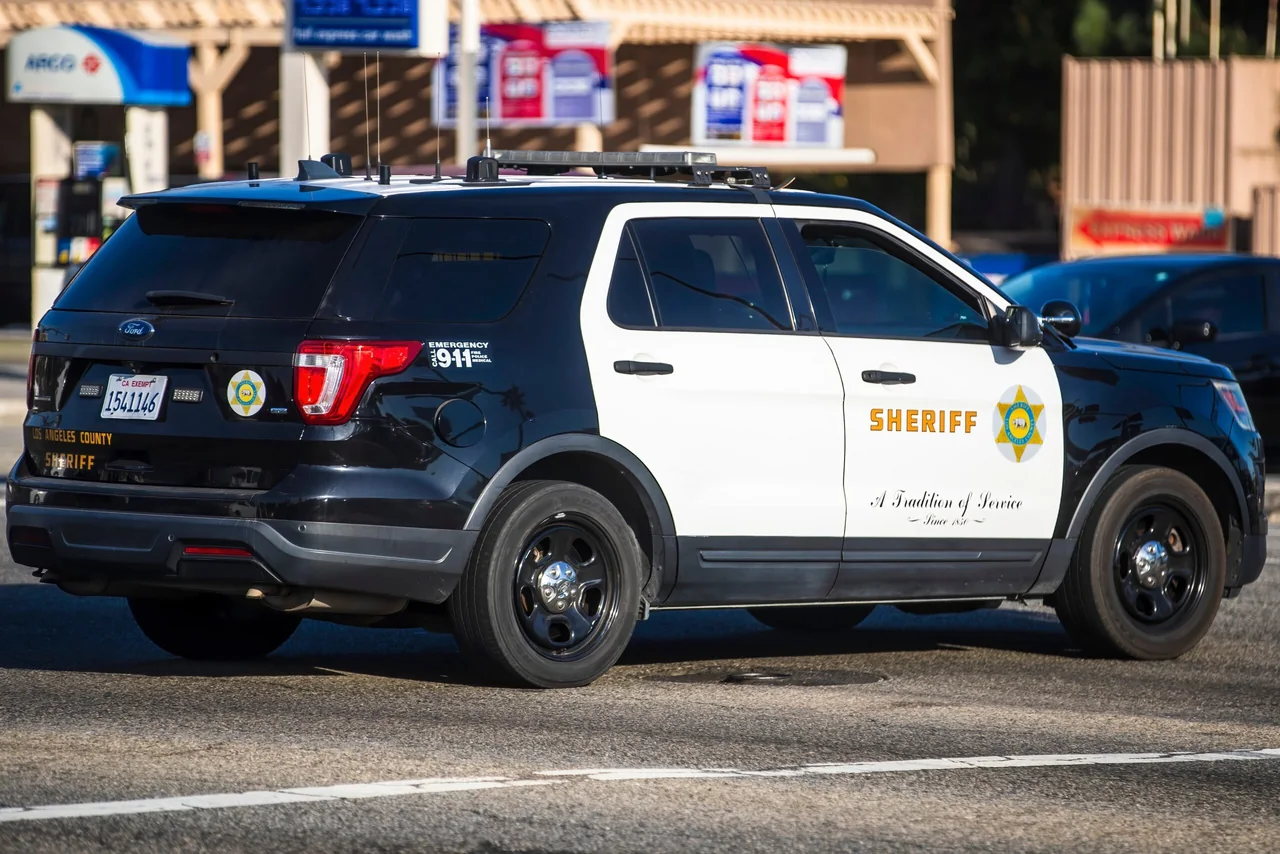
Cargo theft is a pervasive issue in the transportation industry, with losses running into millions of dollars annually. A recent case out of Los Angeles County Sheriff's Department highlights the importance of coordination and persistence in recovering stolen goods. Investigators recovered nearly $4 million in cargo tied to multiple companies following a search warrant in Vernon, California.
The outcome is not common, as most cargo theft cases involve swift reselling or disposal of stolen goods before anyone realizes what has happened. Recovery rates remain low across the industry, especially within the first 24 to 48 hours. However, this case shows that with the right pieces coming together, it is possible to recover stolen freight.
Coordination and persistence played a significant role in the recovery. The Los Angeles County Sheriff's Department deserves credit for their efforts. This case serves as a reminder that even in the face of seemingly insurmountable challenges, attention and dedication can lead to successful outcomes.

The focus on loss often overshadows the potential for recovery. However, moments like this demonstrate that stolen freight can be traced, recovered, and tied back to individuals. While the larger networks behind these operations remain active, this case underscores the importance of vigilance in preventing future incidents.
Freight fraud is an existential threat to the industry, with double brokering, AI deepfakes, and identity theft being just a few examples. The recovery of $4 million in cargo serves as a powerful reminder that these threats can be addressed through concerted effort and attention.
The transportation industry must stay vigilant in the face of these ongoing challenges. By prioritizing supply chain security and implementing effective measures to prevent cargo theft, operators can mitigate losses and protect their assets.
Upcoming events such as the Freight Fraud Symposium, Supply Chain AI Symposium, and Future of Rail Symposium highlight the growing importance of addressing these issues. Industry leaders and experts will gather to discuss strategies for deploying AI in supply chain management and reshaping freight demand.
The recovery of $4 million in cargo is a significant step forward in combating cargo theft. As the industry continues to evolve, it is essential that coordination, persistence, and vigilance remain at the forefront of efforts to prevent future incidents.
Ultimately, the success of this case demonstrates that even in the face of complex challenges, determination and cooperation can lead to positive outcomes. The transportation industry must continue to prioritize supply chain security and work together to address the ongoing threat of cargo theft.
Recovery of stolen freight underscores the need for industry-wide vigilance.