
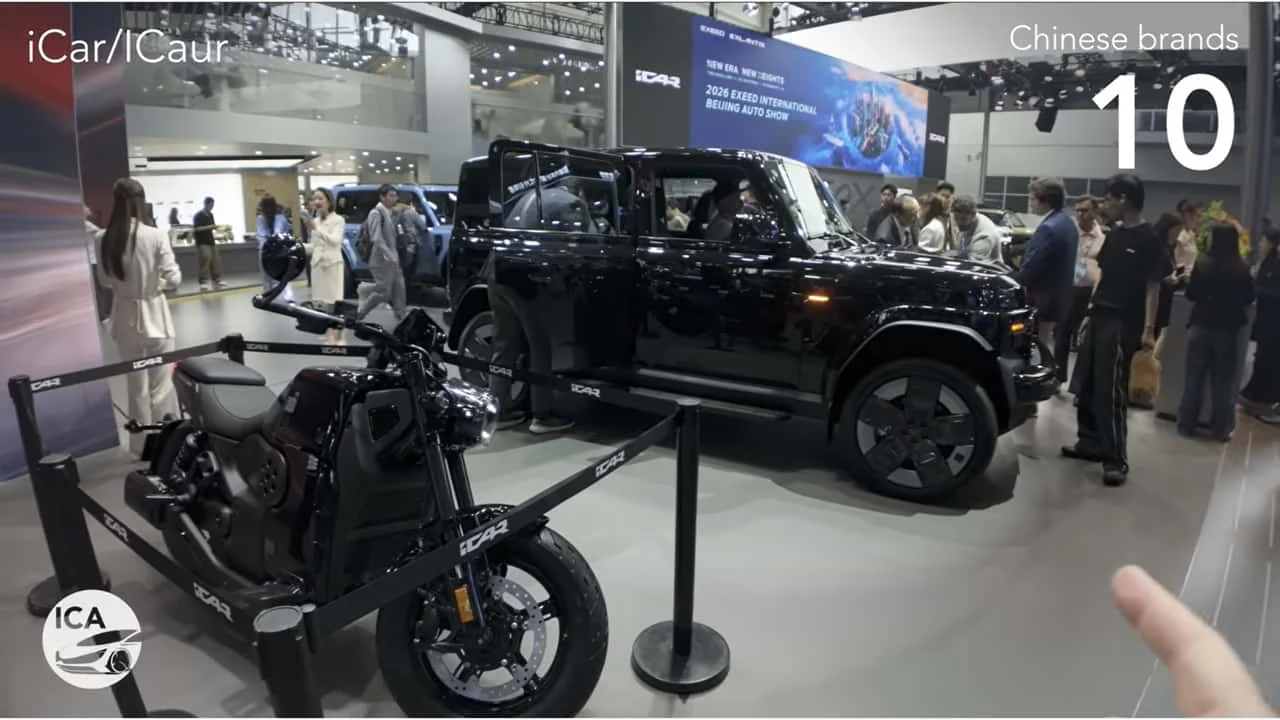
The limitations of pure electric vehicles (EVs) in motorcycles are largely due to their size and energy density constraints. These constraints limit the range and capability of EV motorcycles, making them less appealing to some riders. The question remains, can these constraints be overcome? One concept thinks so by introducing a new technology that could potentially change the game.
The traditional approach to solving range anxiety in EV motorcycles has been through battery upgrades or more efficient motors. However, these solutions come with their own set of limitations and challenges. A new concept is exploring an alternative solution that could offer a more practical and effective fix for range anxiety in EV motorcycles.
This innovative solution involves the use of a range extender, which would supplement the energy storage capacity of the motorcycle's battery pack. The range extender would provide additional power to the motorcycle when needed, allowing riders to travel longer distances without worrying about running out of charge. This technology has the potential to significantly improve the range and capability of EV motorcycles.
The concept is based on a compact and lightweight design that can be easily integrated into existing EV motorcycle platforms. This makes it an attractive solution for manufacturers looking to upgrade their existing models or develop new ones with improved range capabilities. The use of a range extender would also enable riders to enjoy the benefits of electric propulsion while still having access to longer ranges.
The implications of this innovative solution are significant, particularly for the EV motorcycle industry. With the increasing adoption of electric vehicles in various sectors, there is a growing demand for motorcycles that can offer longer ranges and improved performance. This concept has the potential to address these needs and provide riders with more freedom and flexibility on the road.
The development of this technology would require significant investment and research efforts. However, if successful, it could lead to a new era in EV motorcycle design and manufacturing. The benefits of this innovative solution would be felt across the industry, from manufacturers to riders, and could potentially revolutionize the way we think about electric motorcycles.
One of the most exciting aspects of this concept is its potential to enable the creation of more complex and advanced motorcycle designs. With the ability to provide longer ranges and improved performance, manufacturers could focus on developing more sophisticated and feature-rich models that cater to a wider range of riders. This would not only improve the overall riding experience but also increase the appeal of EV motorcycles to a broader audience.
The use of a range extender in EV motorcycles is not without its challenges, however. There are concerns about the added weight and complexity of the system, as well as potential impacts on performance and efficiency. However, these challenges can be addressed through careful design and engineering, ensuring that the benefits of this technology outweigh any potential drawbacks.
As the world continues to shift towards more sustainable and environmentally friendly transportation options, innovative solutions like this concept are becoming increasingly important. The development of this technology has the potential to make a significant impact on the EV motorcycle industry and beyond, offering a practical and effective fix for range anxiety that could revolutionize the way we think about electric motorcycles.
In conclusion, this innovative solution offers a promising approach to addressing range anxiety in EV motorcycles. With its compact and lightweight design, it has the potential to significantly improve the range and capability of these vehicles, making them more appealing to a wider range of riders. As the industry continues to evolve and innovate, solutions like this concept are likely to play an increasingly important role in shaping the future of electric motorcycles.
This innovative approach could revolutionize the EV motorcycle industry.