
The use of nuclear power in merchant ships is not a new concept, as aircraft carriers and submarines have been utilizing it for years. The US Department of Transportation and the Maritime Administration has launched an initiative to develop Small Modular Nuclear Reactors (SMRs) for commercial shipping. This move aims to revitalize the US shipbuilding industry.
The Maritime Administration's Request for Information (RFI) seeks to develop a practicable SMR as part of the Trump administration's plans to boost American shipbuilding. The RFI highlights the potential benefits of nuclear power in advancing the maritime agenda, including efficiency, affordability, national security, scalability, and shipbuilding & workforce development.
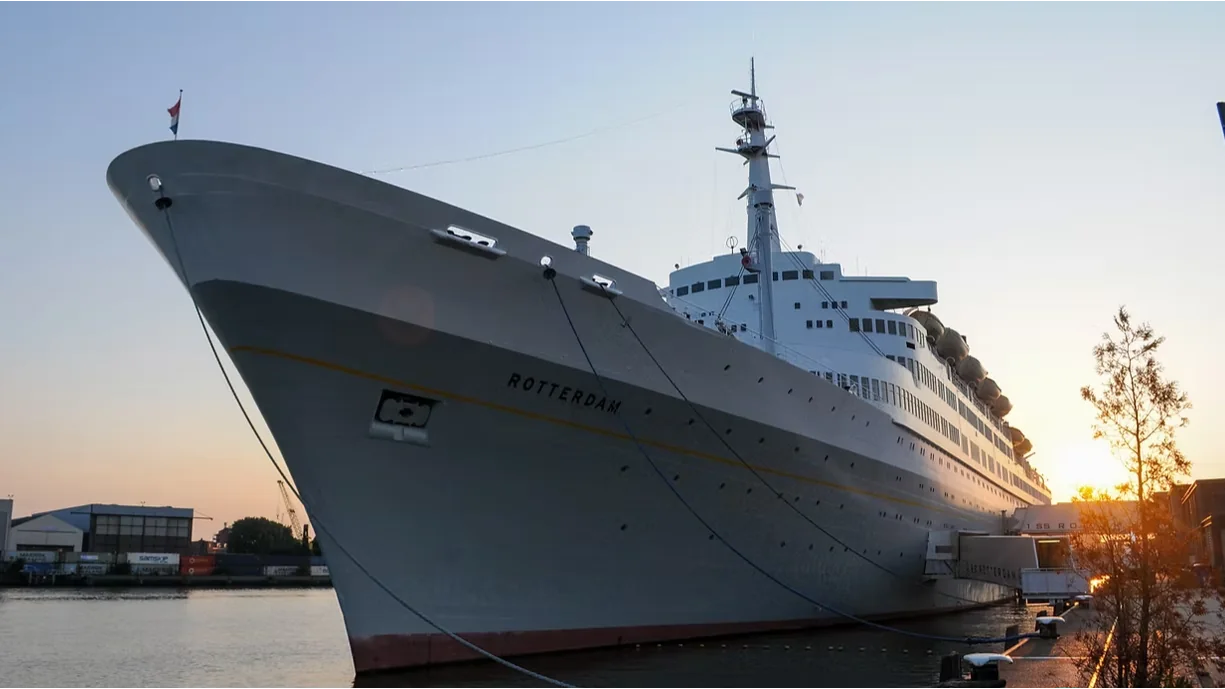
The US has been slow to adopt nuclear power for commercial shipping, with the NS Savannah remaining the only US nuclear-powered civilian vessel launched in 1959. However, recent developments such as Kairos Energy's construction of demonstration reactors in Tennessee and X-energy's partnership with Amazon and Energy Northwest could change this trajectory.

DOT Secretary Sean Duffy emphasized the need for innovative thinking to secure the future of the American shipbuilding industry. Marad Administrator Stephen Carmel noted that successful introduction of SMRs requires a system-transition lens, rather than just a technology demonstration.
The initiative seeks critical insights on how the government can help reduce systemic uncertainty, align regulatory structures, and enable market conditions necessary for private capital and operators to scale these groundbreaking technologies.
X-energy's reactors are expected to be operational in the early 2030s, while Kairos Energy is already constructing demonstration reactors. This progress suggests that nuclear power could become a viable option for commercial shipping in the near future.
The RFI highlights the potential benefits of nuclear power, including reduced fuel costs and increased efficiency. Small modular reactors could largely eliminate fuel costs and reduce maintenance requirements, making them an attractive option for commercial ships.
National security is another key benefit of nuclear power, as it would reinforce American supply chains and secure energy independence to bolster national defense. This could have significant implications for the US's maritime role in global affairs.
The initiative also aims to integrate SMNR production into US shipyards, building strong robust workforce pipelines and new credentialing standards. This could help address labor shortages and ensure a skilled workforce for the industry.
However, regulatory hurdles must be addressed if nuclear power is to become a reality for commercial shipping. Establishing liability, insurance, and inspection frameworks will be crucial in ensuring public safety and confidence in the technology.
This innovative approach could transform the maritime industry, but regulatory hurdles must be addressed.